
 ES
ES








Why Is the Skin Around My Cut Red and Painful?
Normal Wound Healing vs. Signs of a Skin Infection
It seemed like a minor cut at first.
Maybe you scraped your hand while working in the garage, nicked your finger while cooking, or caught your leg on something outside. You cleaned it, covered it, and didn't think much more about it.
But now you're looking at the area again. The skin around the cut is red. It's tender.
Maybe it feels warmer than the surrounding skin. And suddenly you're wondering:
Is this just normal healing—or is my cut getting infected?
Some inflammation can occur as the body begins repairing damaged skin. A healing wound may initially have a small amount of:
- Redness
- Tenderness
- Mild swelling
- Discomfort
What matters is how those symptoms change over time.
Redness that continues spreading, pain that becomes worse instead of better, increasing warmth or swelling, pus, drainage, red streaks, or fever may indicate a developing infection.
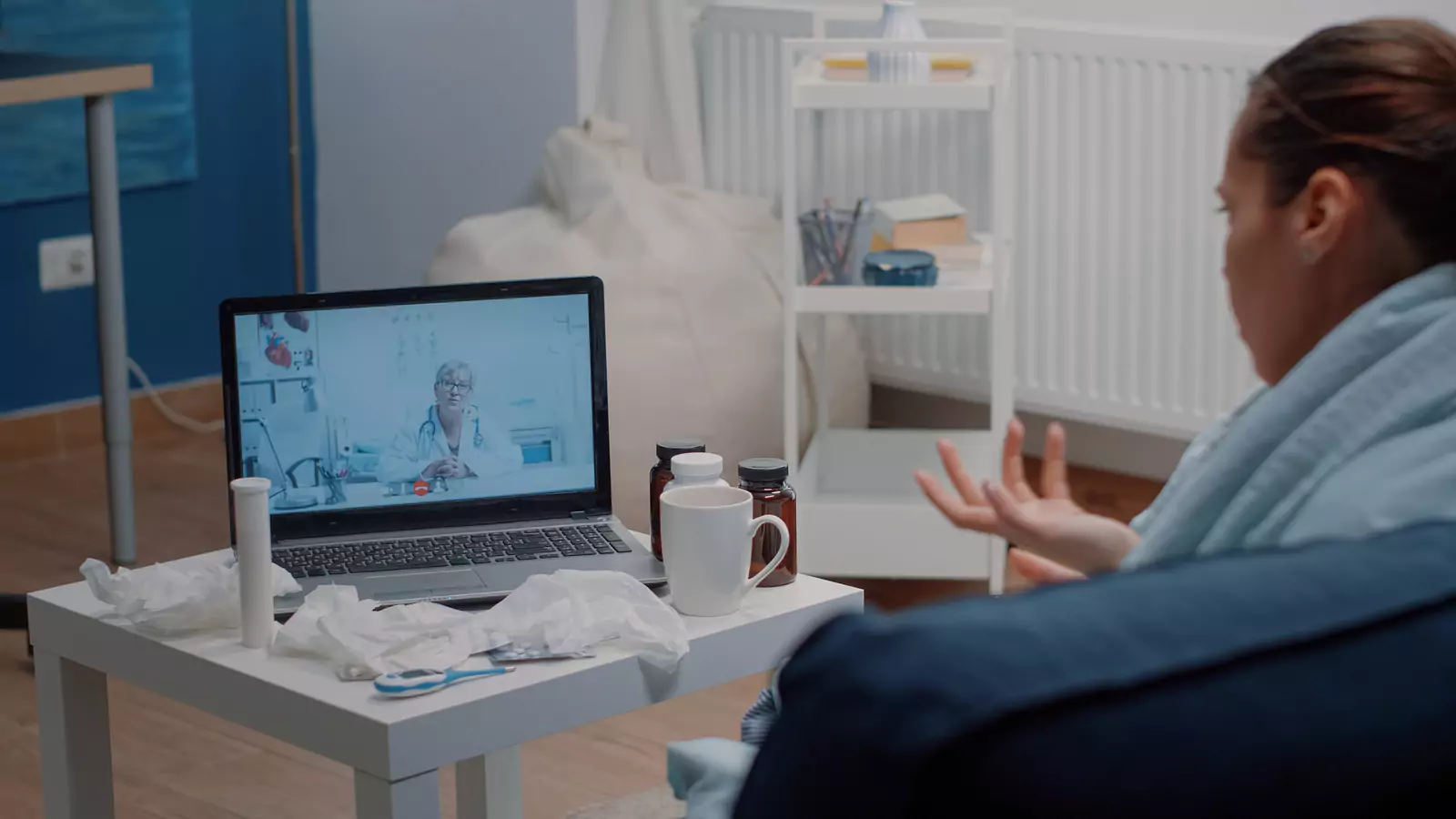
VirtualCare2Go specifically includes skin cuts, redness, and skin infections among the conditions it treats. For appropriate non-emergency wounds, a licensed provider can review your symptoms and the appearance of the area and help determine whether treatment or an in-person examination is needed.
However, some wounds require prompt hands-on medical care.
Deep or gaping wounds, uncontrolled bleeding, significant animal or human bites, loss of sensation or movement, embedded objects, severe contamination, or rapidly worsening infection may require urgent in-person evaluation.
What Happens When a Cut Begins Healing?
Healing starts almost immediately after the skin is injured.
Your body works to:
- Stop bleeding
- Protect the damaged area
- Respond to germs and debris
- Repair damaged tissue
- Create new skin
Because inflammation is part of this process, a small amount of redness and tenderness doesn't automatically mean the wound is infected.
The key is whether the wound appears to be gradually improving or progressively worsening.
What Can Normal Healing Look Like?
A minor healing cut may have:
- Mild redness close to the wound
- Slight tenderness
- Mild swelling
- A scab
- Itching as healing progresses
Over time, discomfort should generally improve.
The wound shouldn't become progressively more painful, swollen, hot, or red.
What Does an Infected Cut Look Like?
Possible warning signs of infection include:
- Spreading redness
- Increasing warmth
- Increasing swelling
- Worsening pain
- Increasing tenderness
- Pus or cloudy drainage
- Red streaking from the wound
- Fever
- Feeling increasingly unwell
One symptom alone doesn't necessarily establish an infection.
But several worsening symptoms together deserve medical evaluation.
Is Redness Around a Cut Always an Infection?
No.
A small amount of redness can occur during normal healing.
Instead of asking only:
“Is it red?”
ask:
“What is the redness doing?”
Is it staying close to the wound and gradually improving?
Or is it becoming brighter, larger, warmer, and more painful?
Progression matters.
Why Does My Cut Feel Warm?
Inflammation can increase blood flow around an injury, so mild warmth can sometimes occur early in healing.
But warmth that becomes increasingly noticeable—especially with:
- Spreading redness
- Swelling
- Pain
- Drainage
- Fever
may be more concerning for infection.
Compare the affected area with the surrounding skin.
Why Is My Cut More Painful Today?
A fresh injury naturally hurts.
But pain should generally begin improving as a minor wound heals.
Pain that becomes more intense rather than less may indicate:
- Increasing inflammation
- Infection
- Continued irritation
- A retained foreign object
- A deeper injury
If a cut seemed minor yesterday but is significantly more painful today, take another look at it.
What Does Pus Look Like?
Infected wounds may sometimes produce drainage.
Concerning drainage may appear:
- Thick
- Yellow
- Greenish
- Cloudy
- Foul-smelling
However, not every fluid around a wound is pus.
A small amount of clear or lightly colored fluid can sometimes occur during healing.
If you're unsure, take a clear photo and discuss the wound with a healthcare provider.
What Are Red Streaks From a Cut?
Red streaks extending away from a wound can be a concerning sign of spreading infection.
This is different from mild redness immediately surrounding the injury.
If you notice redness tracking away from the wound—particularly with fever, increasing pain, or feeling ill—seek prompt medical evaluation.
Don't wait several days to see whether it disappears.
Can a Small Cut Really Become Infected?
Yes.
Even a small break in the skin can allow bacteria to enter.
Risk may increase when a wound is:
- Dirty
- Frequently touched
- Scratched
- Exposed to contaminated water
- Caused by an animal or human bite
- Caused by a puncture
- Not cleaned appropriately
That doesn't mean every minor cut will become infected.
Most small wounds heal without serious complications when cared for appropriately.
Should I Wash a Cut?
For many minor wounds, gently cleaning the area is an important early step.
Wash your hands first.
The wound can generally be rinsed with clean running water, while mild soap can be used around the surrounding skin.
Avoid aggressive scrubbing of damaged tissue.
If the wound contains debris that can't be easily removed, seek medical care rather than digging deeply into the injury.
Should I Use Hydrogen Peroxide?
People often reach for hydrogen peroxide because the bubbling makes it feel as though the wound is being thoroughly disinfected.
However, repeatedly using harsh antiseptics on healing tissue can cause irritation and may interfere with healthy cells involved in wound repair.
For routine minor cuts, gentle cleaning is often preferable.
Ask a healthcare provider if you're unsure how a particular wound should be cleaned.
Should I Use Rubbing Alcohol?
Rubbing alcohol can also be irritating to damaged tissue.
More burning does not necessarily mean better wound care.
Don't repeatedly pour harsh chemicals into an open wound simply because they sting.
A healthcare professional can recommend appropriate wound-cleaning methods based on the type of injury.
Should I Cover the Cut?
Many minor wounds benefit from being protected with an appropriate clean dressing.
A bandage may help:
- Keep the area clean
- Protect it from friction
- Reduce repeated touching
- Absorb minor drainage
Change the dressing when it becomes:
- Wet
- Dirty
- Loose
- Contaminated
Follow specific wound-care instructions from your healthcare provider when provided.
Should I Let a Cut “Air Out”?
There's a common belief that every wound needs to be left uncovered so it can “breathe.”
Modern wound care is more nuanced than that.
Some wounds heal well when appropriately protected rather than repeatedly drying out, cracking, or becoming contaminated.
Whether a wound should remain covered depends on:
- Location
- Size
- Depth
- Drainage
- Activity
- Type of injury
A healthcare provider can advise you based on the specific wound.
Don't Pick the Scab
A scab can be tempting to pick.
Try to leave it alone.
Repeated picking can:
- Reopen the wound
- Cause bleeding
- Delay healing
- Increase irritation
- Introduce bacteria
The same applies to scratching an itchy healing wound.
Why Is My Cut Itchy?
Mild itching can occur as skin heals.
However, itching may also result from:
- Adhesive irritation
- A reaction to a topical product
- Dry skin
- Other skin conditions
If the skin underneath a bandage becomes increasingly itchy, red, or irritated in the exact shape of the adhesive, mention that to your healthcare provider.
You may be reacting to the dressing rather than developing an infection.
Could Antibiotic Ointment Irritate My Skin?
Yes.
Some people develop irritation or allergic contact reactions to ingredients in topical products.
If the skin becomes:
- Very itchy
- Rash-like
- Increasingly irritated
after applying a product, stop assuming that more ointment is automatically better.
A healthcare provider can help determine whether you're seeing infection or skin irritation.
What If the Cut Is Swollen?
Mild swelling may occur shortly after an injury.
But swelling deserves more attention if it:
- Continues increasing
- Becomes very painful
- Limits movement
- Is associated with redness and warmth
- Occurs with pus or fever
Swelling around a finger or hand can be particularly important if it affects movement or circulation.
Take Off Rings Before Swelling Gets Worse
If you've cut or injured a finger or hand and swelling is developing, remove rings early if they can be safely removed.
A ring can become extremely tight as swelling increases.
If a ring becomes stuck on a significantly swollen finger or the finger changes color, becomes numb, or becomes severely painful, seek prompt medical assistance.
What If Something Is Stuck in the Wound?
Small superficial debris may sometimes rinse away during cleaning.
But don't dig deeply into a wound trying to remove:
- Glass
- Metal
- Wood
- Other embedded material
A deeply embedded object may require professional removal.
Do not pull out a large object that is deeply embedded in the body. Seek emergency medical assistance.
What About a Puncture Wound?
Puncture wounds may look small on the surface while extending deeper into the tissue.
Examples include injuries from:
- Nails
- Sharp tools
- Thorns
- Animal teeth
- Other pointed objects
These wounds may require evaluation because bacteria and debris can be introduced deeper beneath the skin.
Tell your provider exactly what caused the puncture and when it occurred.
Do I Need a Tetanus Shot?
Tetanus vaccination status is an important consideration after certain wounds.
Whether a booster is recommended depends on:
- The type of wound
- How contaminated it is
- Your vaccination history
- When your last tetanus-containing vaccine was given
If you aren't sure when you last received a tetanus vaccine, tell your healthcare provider.
Don't assume that every cut automatically requires a tetanus shot—or that you're definitely protected without checking your vaccination history.
What If an Animal Bit Me?
Animal bites deserve special consideration because they may introduce bacteria deep into tissue.
The risk can vary depending on:
- Type of animal
- Location of the bite
- Depth
- Vaccination status of the animal when relevant
- Circumstances of the exposure
Some animal bites require:
- Thorough wound care
- Antibiotics
- Tetanus assessment
- Rabies risk assessment
Seek medical guidance promptly rather than waiting for an animal bite to become infected.
What About Human Bites?
Human bites can also carry a significant infection risk.
Even a wound that looks small may require medical evaluation.
This includes injuries caused by someone's teeth striking the hand during a fight.
Prompt evaluation is especially important for bites involving:
- Hands
- Fingers
- Face
- Joints
Don't wait for obvious pus to appear before seeking care.
Can a Cut Turn Into Cellulitis?
Yes.
Cellulitis is a bacterial infection involving deeper layers of the skin and surrounding tissue.
Possible symptoms include:
- Expanding redness
- Warmth
- Swelling
- Pain
- Tenderness
Fever or feeling ill may occur in more significant cases.
Cellulitis requires medical treatment.
If redness is clearly spreading away from a wound, seek evaluation.
Can a Skin Infection Spread?
Yes.
Untreated infections can sometimes spread into surrounding tissue or, in more serious cases, elsewhere in the body.
That's why worsening symptoms shouldn't simply be covered with another bandage and ignored.
Seek medical evaluation when a wound is becoming progressively:
- Redder
- Hotter
- More swollen
- More painful
particularly if you develop fever or systemic symptoms.
Can I Use Leftover Antibiotics?
No.
Don't take leftover antibiotics from:
- A previous infection
- Another family member
- An old prescription
The antibiotic may:
- Be unnecessary
- Be the wrong medication
- Be the wrong dose
- Be inappropriate for the bacteria involved
- Delay proper treatment
A licensed provider should determine whether antibiotics are medically appropriate.
Does Every Infected Cut Need Antibiotics?
Not necessarily.
Treatment depends on factors such as:
- Severity
- Depth
- Location
- Amount of redness
- Presence of drainage
- Whether an abscess is present
- Other medical conditions
Some infections may require oral medication.
Others may need a procedure such as drainage.
That's why evaluating the wound itself is important.
What Is an Abscess?
An abscess is a collection of pus beneath the skin.
It may appear as a:
- Painful lump
- Swollen area
- Red bump
- Warm, tender spot
Some abscesses require drainage rather than medication alone.
Don't squeeze, puncture, or attempt to drain a significant abscess yourself.
A healthcare provider can determine whether in-person treatment is needed.
Don't Try to Cut Open an Infection Yourself
If a swollen area looks like it contains pus, don't attempt to perform your own drainage procedure with:
- Needles
- Razors
- Knives
- Pins
This can worsen infection, cause bleeding, and damage surrounding tissue.
If drainage is necessary, it should be performed appropriately by a healthcare professional.
Take Photos of the Wound
Photos are particularly useful when redness is changing.
Take a picture:
- In good lighting
- From a normal distance
- Close enough to show wound detail
Then take another photo later if symptoms change.
This can help you and your provider determine whether the redness is:
- Stable
- Improving
- Spreading
Photos can be particularly useful during a VirtualCare2Go visit.
Track the Redness
If the area around the cut is red, pay attention to whether the redness is expanding.
You may record:
- Approximate size
- Time
- Pain level
- Swelling
- Warmth
- Drainage
Don't rely only on memory.
Changes can be difficult to notice when you're looking at the wound repeatedly throughout the day.
What If the Cut Is on My Face?
Facial wounds deserve additional consideration because cosmetic outcomes and nearby structures may matter.
Seek appropriate evaluation for:
- Deep facial cuts
- Gaping wounds
- Eyelid injuries
- Injuries near the eye
- Significant lip wounds
- Animal bites
- Wounds with embedded material
Some facial cuts may need closure to heal appropriately.
What If the Cut Is on My Hand?
Hand wounds can affect:
- Tendons
- Nerves
- Joints
- Movement
Seek prompt evaluation if you have:
- Difficulty moving a finger
- Numbness
- Weakness
- Significant swelling
- Deep wounds
- Bite injuries
- Injuries over a joint
A small-looking cut can sometimes involve deeper structures.
What If the Cut Won't Stop Bleeding?
Apply firm, direct pressure with clean material.
If bleeding is heavy or doesn't stop despite appropriate continuous pressure, seek urgent medical care.
Call 911 for severe uncontrolled bleeding or symptoms of shock such as fainting, severe weakness, confusion, or loss of consciousness.
Don't repeatedly lift the dressing every few seconds to check whether the wound has stopped bleeding, because that can disrupt clot formation.
When Can VirtualCare2Go Help?
Because skin cuts, redness, and skin infections are specifically included in VirtualCare2Go's treatment scope, telehealth can be a convenient option for many non-emergency wound concerns.
Consider scheduling a virtual visit if:
- A minor cut is becoming red.
- The area feels warmer than before.
- Pain or tenderness is increasing.
- You're unsure whether the wound is infected.
- Mild drainage has appeared.
- You're unsure how to care for the wound.
- You want to know whether antibiotics may be appropriate.
- You aren't sure whether you need an in-person examination.
During your appointment, your provider may ask about:
- How the injury occurred
- When it happened
- Wound depth
- Bleeding
- Redness
- Swelling
- Warmth
- Pain
- Drainage
- Fever
- Foreign material
- Animal or human exposure
- Tetanus vaccination history
- Medications
- Medical history
Clear photos may be especially helpful.
Based on the evaluation, your provider can recommend an appropriate treatment plan or direct you to in-person care when necessary.
When Might You Need In-Person Care?
Some wounds simply can't be fully managed through telehealth.
In-person care may be appropriate for:
- Deep cuts
- Gaping wounds
- Wounds that may need stitches or other closure
- Significant puncture wounds
- Animal or human bites
- Embedded foreign objects
- Suspected abscess
- Significant infection
- Injuries involving nerves or tendons
- Wounds over joints
- Significant facial wounds
- Wounds requiring tetanus vaccination
- Symptoms requiring wound culture or other testing
A virtual visit can help determine whether that next step is necessary.
When Should You Seek Prompt Medical Care?
Seek prompt medical evaluation if you notice:
- Rapidly spreading redness
- Increasing warmth
- Worsening pain
- Significant swelling
- Pus or drainage
- Red streaks extending from the wound
- Fever or chills
- Difficulty moving the affected area
- Numbness
- A deep or gaping wound
- A significant animal or human bite
- A puncture wound with concerning symptoms
- A wound that isn't healing as expected
Don't wait for an infection to become severe before seeking care.
When Is a Wound an Emergency?
Call 911 or seek emergency medical care for:
- Severe uncontrolled bleeding
- A large or deeply penetrating injury
- A deeply embedded large object
- Loss of consciousness
- Severe weakness or fainting
- Severe confusion
- Signs of shock
- Major loss of movement or sensation after an injury
- Rapidly worsening illness associated with a wound
- Any other potentially life-threatening injury
Routine telehealth should never delay emergency treatment for a serious wound.
Frequently Asked Questions
Is redness around a cut normal?
A small amount of redness can occur during normal healing. Redness that continues spreading or occurs with increasing pain, warmth, swelling, drainage, or fever may be more concerning for infection.
How do I know if my cut is infected?
Possible signs include spreading redness, worsening pain, warmth, swelling, pus or cloudy drainage, red streaking, and fever.
Why does my cut feel warm?
Mild warmth can occur with inflammation during healing. Increasing warmth accompanied by worsening redness, swelling, or pain may indicate infection.
Should I put hydrogen peroxide on a cut?
Repeated use of harsh antiseptics may irritate healing tissue. Gentle wound cleaning is often more appropriate for minor cuts, depending on the injury.
Should I cover a cut with a bandage?
Many minor wounds benefit from an appropriate clean dressing to protect them from contamination and friction.
Should I pop an infected bump near my cut?
No. Don't squeeze or attempt to drain a suspected abscess yourself. Some abscesses require professional drainage.
Do I need antibiotics for an infected cut?
Possibly, but not every wound requires antibiotics. A healthcare provider can determine whether antibiotics or another treatment is appropriate.
Do I need a tetanus shot after a cut?
It depends on the wound and your vaccination history. A healthcare provider can determine whether a booster is recommended.
Does VirtualCare2Go treat skin infections?
Yes. Skin infections are specifically included among the conditions VirtualCare2Go treats.
Does VirtualCare2Go treat cuts and redness?
Yes. Skin cuts and redness are also specifically included in the VirtualCare2Go treatment list.
Can I show my cut during a virtual appointment?
Yes. Good lighting and clear photographs can help a provider evaluate visible skin changes, although some wounds still require hands-on examination.
Convenient Virtual Care Throughout Texas
A little redness around a fresh cut doesn't automatically mean something is wrong.
The more important question is:
Is it getting better—or getting worse?
Look at the pattern.
Is the redness spreading?
Is the pain increasing?
Does the skin feel hotter?
Has swelling developed?
Is there drainage?
Do you have a fever?
Those changes can help distinguish routine healing from a wound that needs medical attention.
VirtualCare2Go provides virtual care for skin cuts, redness, skin infections, and many other common non-emergency conditions throughout Texas.
A licensed healthcare provider can review the wound, your symptoms, and clear photos and help determine whether treatment or an in-person examination is appropriate.
Schedule Your Virtual Visit
If a cut is becoming increasingly red, warm, swollen, painful, or concerning—and you aren't experiencing emergency warning signs—consider scheduling a virtual evaluation with VirtualCare2Go.
Book your virtual visit today: https://www.virtualcare2go.com/
Severe uncontrolled bleeding or another life-threatening injury? Call 911 or seek emergency care immediately.