
 ES
ES








Why Is My Eye Suddenly Swollen?
Virtual Care for Eyelid Swelling
Why Is My Eye Suddenly Swollen?
You look in the mirror and immediately notice something different: one eyelid is puffy, red, or noticeably larger than the other.
Maybe it appeared overnight. Perhaps the swelling started after spending time outdoors, trying a new cosmetic product, rubbing an irritated eye, or noticing a small tender bump along your eyelid.
Sudden eyelid swelling can look alarming because even a relatively small amount of inflammation around the eye can be very noticeable. Fortunately, there are several possible explanations, and many are not emergencies.
However, the eye area deserves special attention. Swelling accompanied by vision changes, significant eye pain, fever, difficulty moving the eye, severe headache, or rapidly worsening redness or swelling around the eye requires prompt medical evaluation.
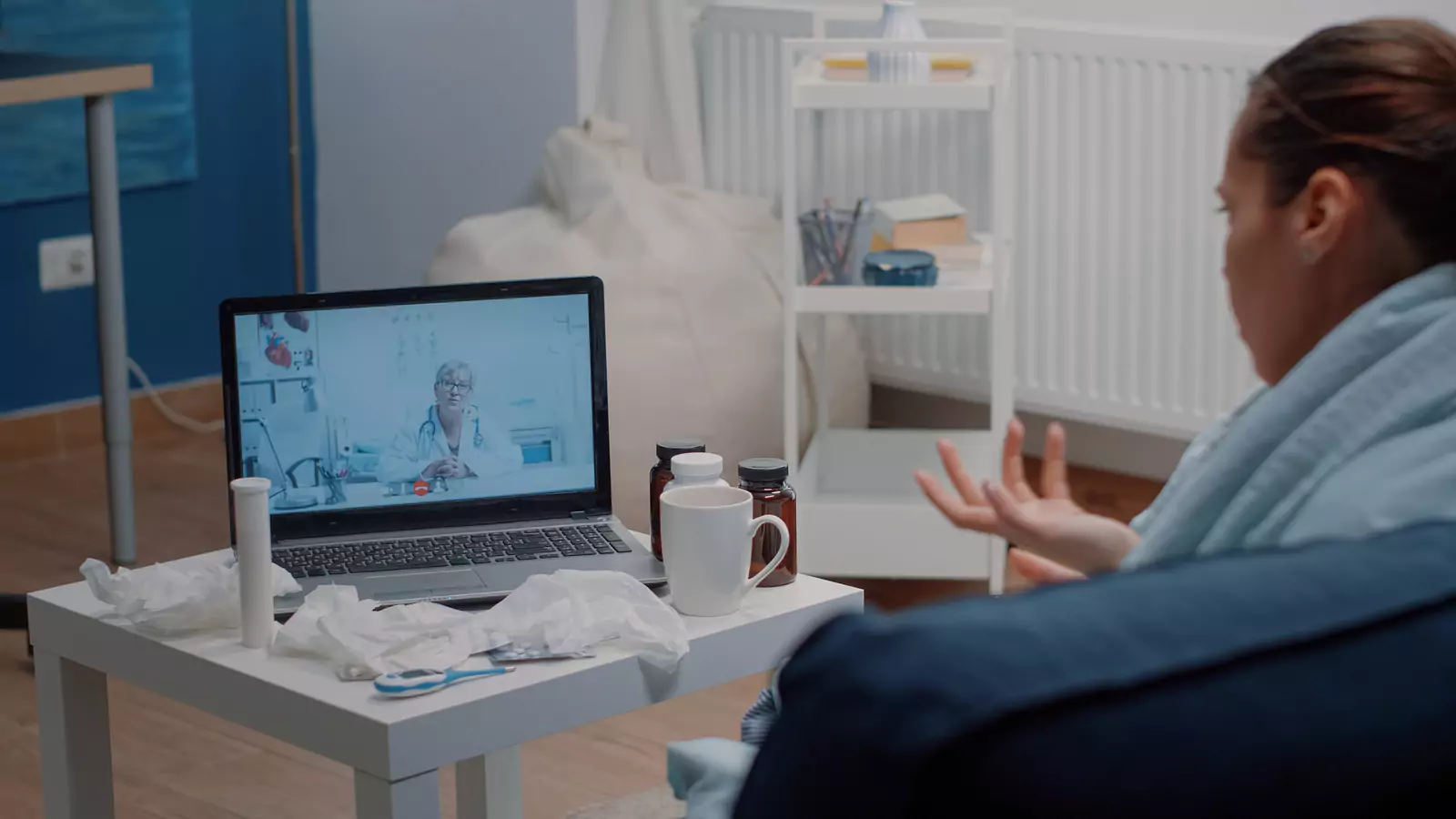
VirtualCare2Go offers convenient telehealth appointments with licensed healthcare providers for patients located throughout Texas. For appropriate non-emergency symptoms, a provider may be able to visually evaluate the eyelid through video, review your symptoms, and determine whether supportive care, treatment, or an in-person eye examination is appropriate.
Call 911 or seek emergency medical attention immediately if eye or facial swelling occurs with difficulty breathing, swelling of the tongue or throat, fainting, severe allergic-reaction symptoms, or another life-threatening condition.
Why Do Eyelids Swell So Easily?
The skin around your eyes is thin and delicate.
Fluid accumulation, inflammation, irritation, or infection can therefore make the eyelid appear noticeably swollen.
Swelling may affect:
- The upper eyelid
- The lower eyelid
- One eye
- Both eyes
- A small area along the lash line
- The tissues surrounding the eye
Where the swelling occurs—and what other symptoms accompany it—can provide useful clues about the possible cause.
Could It Be Allergies?
Allergies are one possible cause of swollen or puffy eyelids.
Your immune system may react to substances such as:
- Pollen
- Dust
- Pet dander
- Mold
- Certain cosmetics
- Skin-care products
Allergy-related eye symptoms may include:
- Puffy eyelids
- Itching
- Watery eyes
- Redness
- Sneezing
- Runny nose
- Nasal congestion
Allergic symptoms often affect both eyes, although this isn't always the case.
Try to avoid rubbing itchy eyes. Rubbing can increase irritation and swelling.
Could a New Cosmetic or Skin Product Be Responsible?
The skin surrounding your eyes may react to products that don't cause problems elsewhere on your body.
Possible triggers include:
- Eye makeup
- Makeup remover
- Facial cleansers
- Moisturizers
- Sunscreen
- Eyelash products
- Hair products
- Fragrances
Even products you've used previously can sometimes become irritating.
If swelling started after introducing a new product, stop using the suspected irritant until you've discussed the reaction with a healthcare professional.
Severe facial swelling or breathing symptoms require emergency care.
Is It a Stye?
A stye is a common cause of a localized swollen eyelid.
It often appears as a tender red bump near the edge of the eyelid and may resemble a small pimple.
Symptoms may include:
- A painful eyelid bump
- Localized swelling
- Tenderness
- Redness
- Watery eyes
- A scratchy sensation
Styes often improve with conservative care, but persistent, worsening, or recurrent bumps should be evaluated.
Avoid trying to pop or squeeze a stye.
What Is a Chalazion?
A chalazion is another type of eyelid bump that can occur when an oil-producing gland becomes blocked.
Unlike a typical stye, a chalazion may become less painful as it develops.
You may notice:
- A firm bump in the eyelid
- Localized swelling
- Mild tenderness early on
- Heaviness of the eyelid
Larger bumps may occasionally interfere with vision by pressing on the eye.
A provider can help determine whether the bump appears consistent with a common blocked gland or needs further examination.
Could It Be an Insect Bite?
The eyelid can swell significantly after an insect bite because the surrounding tissue is loose and delicate.
A bite may cause:
- Localized swelling
- Itching
- Mild redness
- A visible bite mark
If swelling remains localized and you otherwise feel well, the reaction may be mild.
However, rapidly spreading facial swelling, widespread hives, tongue or throat swelling, difficulty breathing, fainting, or severe dizziness may indicate a serious allergic reaction.
Call 911 immediately for symptoms of anaphylaxis.
What About an Eye Infection?
Some infections can cause eyelid swelling.
Depending on the cause, additional symptoms may include:
- Redness
- Tenderness
- Drainage
- Crusting
- Eye irritation
- Fever
Because infections involving the tissues around the eye can sometimes become serious, rapidly worsening swelling or redness should not be ignored.
A telehealth provider may recommend an in-person eye examination depending on your symptoms.
Is This the Same as Pink Eye?
Not necessarily.
Pink eye, or conjunctivitis, primarily affects the conjunctiva—the thin tissue covering the white part of the eye and inner eyelid.
Conjunctivitis may cause:
- Red or pink appearance of the eye
- Watery eyes
- Discharge
- Crusting
- Irritation
Eyelid swelling can occur along with conjunctivitis, but a swollen eyelid alone doesn't automatically mean you have pink eye.
That's one reason a healthcare evaluation can be helpful.
What Can You Do for Mild Eyelid Swelling?
The appropriate care depends on the cause.
For mild symptoms without warning signs, a provider may recommend measures such as:
- Avoiding rubbing or touching the eye
- Temporarily stopping irritating cosmetics or skin products
- Keeping the eyelid area clean
- Using a clean compress when appropriate
- Avoiding contact lenses until irritation has resolved or you've received medical guidance
- Following provider recommendations for allergy management
For some eyelid bumps, warm compresses may be recommended. Allergy-related puffiness may sometimes respond better to a cool compress.
Because the correct approach depends on the cause, follow your healthcare provider's guidance.
Don't Pop or Squeeze Eyelid Bumps
A stye or chalazion may look like something you can simply pop.
Don't.
Squeezing an eyelid bump can increase irritation and potentially spread infection.
Allow it to drain or resolve naturally while following appropriate care recommendations.
If it doesn't improve, have it evaluated.
Should You Wear Contact Lenses?
If your eye or eyelid is red, swollen, painful, or irritated, it may be appropriate to temporarily stop wearing contact lenses until the problem has been evaluated and resolved.
Contact lens users should be especially cautious when experiencing:
- Eye pain
- Significant redness
- Light sensitivity
- Discharge
- Vision changes
These symptoms may require prompt in-person eye care.
Take a Clear Picture
Because eyelid swelling can change over time, photographs may help you monitor it.
Take a clear photo in good natural lighting when you first notice the swelling.
If symptoms change, take another photo later.
This can help you and your provider determine whether swelling is:
- Improving
- Staying the same
- Spreading
- Becoming more red
- Affecting a larger area
Photos can also be useful during a virtual appointment.
When Can Telehealth Help?
Telehealth may be a convenient starting point for many non-emergency eyelid concerns, particularly when the problem can be clearly seen through video.
Consider scheduling a virtual visit if:
- Your eyelid is mildly swollen.
- You have a small eyelid bump.
- You think you may have a stye.
- Allergy symptoms are causing eyelid puffiness.
- You recently used a new cosmetic or skin-care product.
- Mild symptoms aren't improving as expected.
- You're unsure whether an in-person eye examination is necessary.
During your VirtualCare2Go appointment, your provider may ask about:
- When the swelling started
- Whether one or both eyes are affected
- Pain
- Itching
- Drainage
- Fever
- Vision changes
- Contact lens use
- Allergies
- New cosmetics or skin-care products
- Recent insect bites
- Eye injuries
- Other medical conditions
Your provider may also ask you to move closer to the camera or use brighter lighting so the affected area can be seen more clearly.
When Do You Need Prompt In-Person Eye Care?
Some eye symptoms shouldn't be managed exclusively through telehealth.
Seek prompt in-person medical or eye care for symptoms such as:
- New vision changes
- Significant eye pain
- Pain when moving the eye
- Significant light sensitivity
- Fever with worsening eyelid swelling
- Rapidly spreading redness or swelling
- Significant swelling around the entire eye
- Eye injury
- Chemical exposure to the eye
- Symptoms in a contact lens wearer that include significant pain or redness
- An eye that appears to bulge
- Severe headache with concerning eye symptoms
Eye conditions can sometimes progress quickly, so follow your provider's recommendation if an in-person examination is advised.
When Is Eye Swelling an Emergency?
Call 911 or seek emergency medical attention immediately if eye or facial swelling occurs with:
- Difficulty breathing
- Swelling of the tongue or throat
- Severe widespread allergic-reaction symptoms
- Fainting
- Severe confusion
- Blue or gray lips or skin
- Any other life-threatening symptoms
For sudden loss of vision or severe eye trauma, seek emergency medical care promptly.
Frequently Asked Questions
Why did my eyelid suddenly swell overnight?
Possible causes include allergies, irritation, a blocked eyelid gland, a stye, an insect bite, or other conditions. Additional symptoms can help determine the likely cause.
Is a swollen eyelid always an infection?
No. Allergies, irritation, blocked glands, and insect bites may also cause swelling.
Should I use a warm or cold compress?
It depends on the cause. Warm compresses are commonly used for certain blocked eyelid glands or styes, while cool compresses may help some allergy-related swelling. Ask your provider when you're unsure.
Can I pop a stye?
No. Don't squeeze or pop an eyelid bump. This may worsen irritation or spread infection.
Can I wear makeup with a swollen eyelid?
It's generally sensible to avoid eye makeup when the eyelid is actively irritated or swollen until the cause is clearer and symptoms improve.
Can telehealth evaluate a swollen eyelid?
Many visible, non-emergency eyelid concerns can begin with a telehealth evaluation. Some conditions still require a detailed in-person eye examination.
Convenient Virtual Care Throughout Texas
A swollen eyelid can look dramatic even when the underlying cause is relatively minor—but deciding which symptoms can safely be monitored and which require an eye examination isn't always easy.
VirtualCare2Go makes it convenient for patients located throughout Texas to connect with licensed healthcare providers from home or another private location.
For appropriate non-emergency concerns, your provider can visually assess the affected area, review your symptoms, and help determine whether supportive care, treatment, or an in-person evaluation is the safest next step.
Patients must be physically located in Texas during their appointment.
Schedule Your Virtual Visit
If your eyelid suddenly becomes swollen and you aren't experiencing emergency warning signs, a virtual evaluation may help you determine what to do next.
Book your virtual visit today: https://virtualcare2go.com/