
 ES
ES







Why Does My Jaw Hurt When I Chew?
Understanding Jaw Pain and TMJ Symptoms
Why Does My Jaw Hurt When I Chew?
You take a bite of lunch and suddenly notice an ache near your ear.
Maybe your jaw clicks every time you open your mouth. Perhaps chewing something tough makes one side of your face hurt, or you wake in the morning with a tight, tired jaw even though it felt fine the night before.
Jaw pain can make surprisingly ordinary activities uncomfortable.
Eating, talking, yawning, laughing, and even brushing your teeth all require movement of the jaw. When the joint or surrounding muscles become irritated, you may notice discomfort throughout the day.
One possible source is the temporomandibular joint, commonly referred to as the TMJ.
You have one of these joints on each side of your face, just in front of the ears. They connect the lower jaw to the skull and allow your jaw to move when you speak, chew, and yawn.
However, not every case of jaw pain is caused by a TMJ problem.
Clenching, teeth grinding, muscle tension, dental problems, injuries, and other medical conditions may cause similar symptoms.
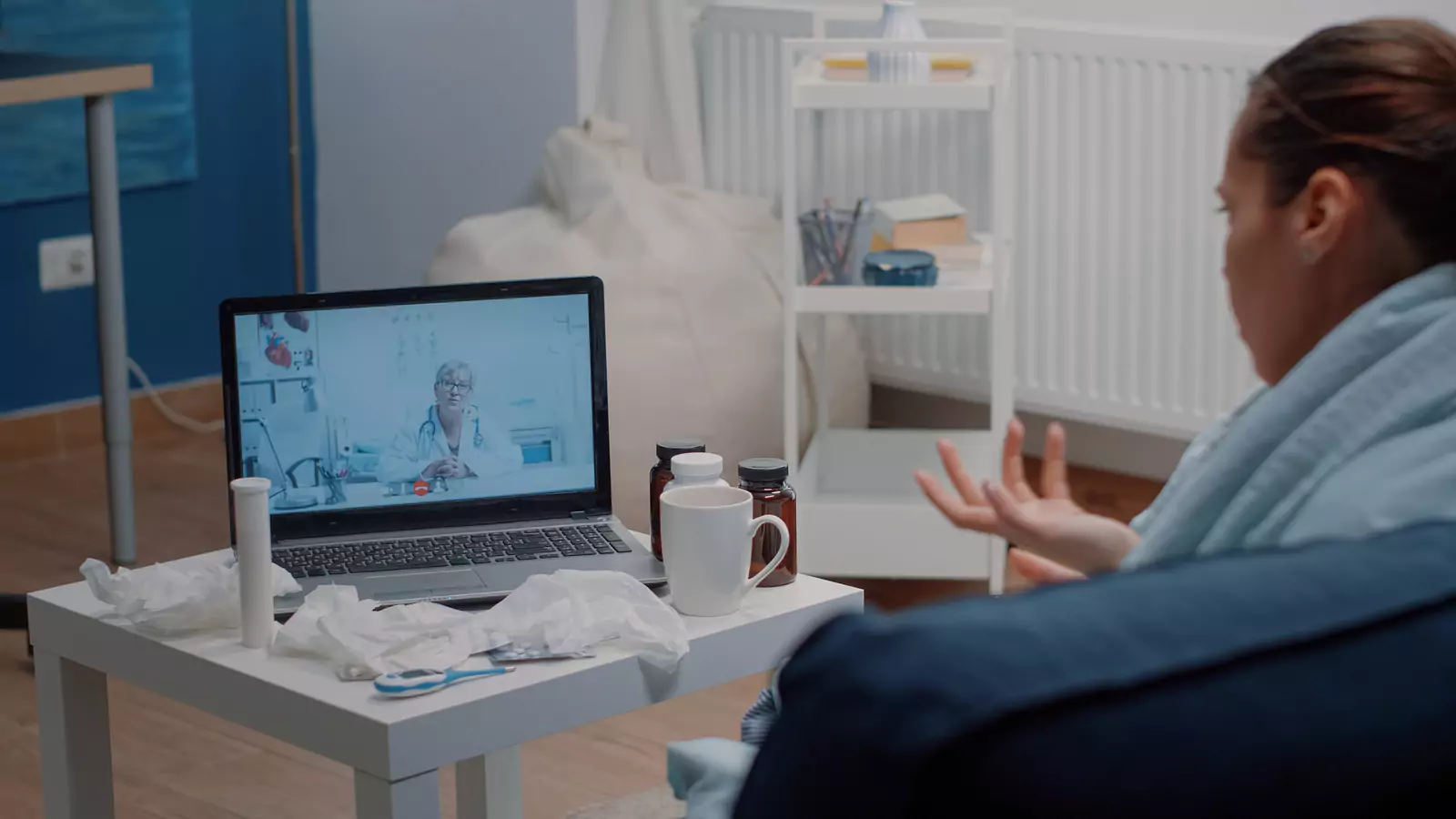
VirtualCare2Go offers convenient telehealth appointments with licensed healthcare providers for patients located throughout Texas. For appropriate non-emergency symptoms, a provider can review your jaw pain, associated symptoms, medical history, and possible triggers and help determine whether supportive care, dental evaluation, or in-person medical care may be appropriate.
Seek emergency medical care if jaw discomfort occurs with chest pressure or pain, shortness of breath, sweating, fainting, severe weakness, or discomfort spreading to the arm, shoulder, back, or neck. Jaw discomfort can sometimes occur as part of a heart attack, even when jaw symptoms seem more noticeable than chest pain.
Where Does Jaw Pain Usually Occur?
Jaw discomfort may appear in several places.
You might feel pain:
- Directly in front of the ear
- Along the jawline
- In the cheek
- Near the temple
- Around the teeth
- Under the jaw
- On one side
- On both sides
The pain may feel:
- Achy
- Sharp
- Tight
- Sore
- Throbbing
- Tender
- Like pressure
Tell your healthcare provider exactly where the pain occurs and whether it travels anywhere else.
What Is TMJ?
TMJ technically refers to the temporomandibular joint itself.
Conditions affecting the jaw joint and surrounding muscles are often referred to as temporomandibular disorders, or TMD.
Possible symptoms include:
- Jaw pain
- Facial aching
- Clicking or popping
- Difficulty opening the mouth comfortably
- Pain while chewing
- Jaw stiffness
- Headaches
- Pain near the ear
Some people experience clicking without pain or difficulty using the jaw.
A sound alone doesn't necessarily mean something is seriously wrong.
Pain, limited movement, locking, or persistent symptoms are more important reasons to seek evaluation.
Why Does My Jaw Click or Pop?
The jaw joint contains structures that help it move smoothly.
Changes in how those structures move can sometimes produce clicking, popping, or grinding sensations.
You may notice the sound when:
- Opening your mouth
- Closing your mouth
- Taking a large bite
- Yawning
- Chewing
If clicking occurs without pain or difficulty moving the jaw, it may not require treatment.
But clicking accompanied by pain, locking, or reduced movement deserves evaluation.
Could Teeth Grinding Be Causing the Pain?
Yes.
Teeth grinding—also called bruxism—may place significant stress on the jaw muscles and teeth.
Some people grind their teeth while awake, but others do it while sleeping and don't realize it.
Possible clues include:
- Morning jaw soreness
- Morning headaches
- Facial muscle tenderness
- Tooth sensitivity
- Worn or damaged teeth
- Jaw tightness
- A partner hearing grinding sounds during sleep
If you frequently wake with jaw pain, tell your healthcare provider or dentist.
A dental examination may be necessary to look for evidence of grinding.
What About Clenching?
You don't have to grind your teeth to overwork your jaw muscles.
Some people unconsciously keep their teeth tightly clenched while:
- Working
- Driving
- Concentrating
- Exercising
- Feeling stressed
- Sleeping
Your teeth generally don't need to remain tightly pressed together when your jaw is at rest.
Becoming aware of daytime clenching may help you identify one possible contributor to recurring discomfort.
Can Stress Make Jaw Pain Worse?
Stress can increase muscle tension.
For some people, that means:
- Tight shoulders
- Neck tension
- Headaches
- Jaw clenching
- Teeth grinding
You may notice your jaw becomes more uncomfortable during particularly demanding periods.
However, recurring jaw pain shouldn't automatically be blamed on stress.
Dental, joint, muscular, and other medical causes may still need to be considered.
Could Chewing Habits Be Contributing?
Repeatedly asking the jaw to work hard may aggravate an already irritated joint or muscle.
Possible triggers include:
- Chewing gum frequently
- Tough meats
- Hard candy
- Very chewy foods
- Large bites
- Biting fingernails
- Chewing pens or other objects
If your jaw is temporarily sore, reducing unnecessary chewing may help give the muscles and joint time to settle.
Could It Actually Be a Dental Problem?
Yes.
Jaw or facial pain can sometimes originate from a tooth or surrounding dental tissues.
Dental causes may include:
- Tooth decay
- A cracked tooth
- Dental infection
- Gum problems
- Problems involving wisdom teeth
- Other oral conditions
Possible clues include:
- Tooth sensitivity
- Pain when biting
- Localized toothache
- Gum swelling
- Facial swelling
- Bad taste or drainage
- Fever
Telehealth may help assess the overall symptom pattern, but dental problems generally require evaluation and treatment by a dentist.
What About a Dental Abscess?
A dental abscess is an infection involving a tooth or nearby tissues.
Symptoms may include:
- Severe tooth pain
- Throbbing pain
- Gum swelling
- Facial or jaw swelling
- Fever
- Bad taste in the mouth
- Pain when chewing
Dental infections should not simply be ignored.
Significant or rapidly increasing facial swelling, difficulty swallowing, difficulty breathing, or severe illness requires urgent or emergency medical care.
Antibiotics alone may not resolve the underlying dental problem, so definitive dental treatment may still be necessary.
Could Ear Problems Feel Like Jaw Pain?
The jaw joint sits very close to the ear.
Because these structures are near one another, it can sometimes be difficult to tell whether discomfort originates from the jaw or the ear.
Tell your provider if you also experience:
- Ear pain
- Ear pressure
- Hearing changes
- Drainage
- Fever
- Recent congestion
An in-person ear examination may sometimes be needed.
Can Neck Tension Affect the Jaw?
The muscles of the jaw, face, neck, and shoulders work in interconnected ways.
Poor posture or significant muscle tension may contribute to discomfort in more than one area.
You may notice jaw symptoms along with:
- Neck tightness
- Shoulder tension
- Headaches
- Facial muscle soreness
Long periods spent looking downward at a phone or laptop may also contribute to neck and upper-body tension.
What Can You Do for Mild Jaw Discomfort?
The best approach depends on the cause.
For mild symptoms without warning signs, general measures may include:
- Temporarily choosing softer foods
- Avoiding gum
- Avoiding very chewy or hard foods
- Taking smaller bites
- Avoiding excessively wide mouth opening
- Paying attention to daytime clenching
- Using a warm or cool compress if recommended
- Following your healthcare provider's guidance
Avoid repeatedly forcing, stretching, or attempting to “pop” the jaw back into place.
If the jaw becomes locked or you cannot open or close it normally, seek medical or dental evaluation.
Give Your Jaw a Break
When a knee or ankle hurts, most people naturally reduce the activity that aggravates it.
The jaw can benefit from the same principle.
If chewing repeatedly increases your discomfort, temporarily reducing unnecessary strain may help.
That might mean avoiding:
- Gum
- Hard candy
- Tough foods
- Very large sandwiches
- Chewy snacks
- Habitual chewing on pens or ice
This doesn't replace evaluation when symptoms persist, but it may help reduce aggravation.
Keep a Jaw Pain Diary
If your symptoms come and go, tracking them can reveal useful patterns.
Record:
- Which side hurts
- Time of day
- Foods you were eating
- Clicking or popping
- Jaw locking
- Morning soreness
- Headaches
- Tooth pain
- Ear symptoms
- Stress
- Daytime clenching
- What makes the pain better
- What makes it worse
For example, repeated morning discomfort may raise different questions than pain that consistently occurs around one particular tooth.
When Can Telehealth Help?
Telehealth can be a convenient starting point for many non-emergency jaw concerns.
Consider scheduling a virtual visit if:
- Your jaw repeatedly hurts when chewing.
- You have mild jaw-joint discomfort.
- Your jaw feels tight in the morning.
- You suspect clenching or grinding.
- Clicking has recently become painful.
- Jaw discomfort accompanies muscle tension.
- You're unsure whether symptoms are coming from your jaw, ear, or another area.
- You want help determining whether dental or medical evaluation is appropriate.
During your VirtualCare2Go appointment, your provider may ask about:
- When symptoms started
- Which side hurts
- Pain while chewing
- Clicking or popping
- Jaw locking
- Tooth pain
- Facial swelling
- Fever
- Ear symptoms
- Headaches
- Recent injuries
- Grinding or clenching
- Other medical conditions
Your provider may also ask you to carefully open and close your mouth on camera or point to the exact location of the discomfort.
Depending on the evaluation, supportive care, medication when medically appropriate, dental care, or an in-person medical evaluation may be recommended.
When Should You See a Dentist?
A dentist may be the appropriate professional when jaw pain appears to be related to:
- A specific tooth
- Tooth sensitivity
- Pain while biting
- A cracked or damaged tooth
- Gum swelling
- Suspected teeth grinding
- Dental infection
- Wisdom teeth
- Changes in your bite
Telehealth can help you decide where to start, but it cannot replace necessary dental examination, X-rays, or dental procedures.
When Should You Seek Prompt In-Person Care?
Seek prompt medical or dental evaluation for:
- Significant facial swelling
- Fever with dental or facial pain
- Severe tooth pain
- Pus or drainage
- Jaw pain after significant trauma
- A jaw that repeatedly locks
- Difficulty opening your mouth
- Rapidly worsening pain
- Significant swelling beneath the jaw
- Symptoms that aren't improving
These concerns may require a hands-on examination, imaging, or dental treatment.
Jaw Pain and Heart Attack Symptoms
Most jaw pain isn't caused by a heart attack.
However, jaw discomfort can sometimes occur as part of a heart-related emergency.
This is especially concerning when jaw discomfort appears with symptoms such as:
- Chest pressure, squeezing, fullness, or pain
- Shortness of breath
- Sweating
- Nausea
- Lightheadedness
- Severe weakness
- Discomfort in the arm or shoulder
- Back or neck discomfort
Heart attack symptoms don't always look exactly the same from one person to another.
Call 911 if you think symptoms could represent a heart attack.
Don't wait for a virtual appointment or attempt to drive yourself if you're experiencing potentially life-threatening symptoms.
When Is Jaw Pain an Emergency?
Call 911 or seek emergency medical care immediately if jaw pain occurs with:
- Chest pain or pressure
- Severe difficulty breathing
- Fainting
- Severe weakness or sweating with concerning chest symptoms
- Pain spreading to the arm, shoulder, back, or neck
- Severe rapidly progressing facial or throat swelling
- Difficulty breathing due to swelling
- Any other life-threatening symptoms
Significant facial trauma may also require emergency evaluation.
Frequently Asked Questions
Why does my jaw hurt when I chew?
Possible causes include irritation of the jaw joint or surrounding muscles, clenching, teeth grinding, dental problems, and other conditions.
Is clicking in my jaw always TMJ disorder?
No. Jaw clicking can occur without significant pain or dysfunction. Clicking accompanied by pain, locking, or limited movement deserves evaluation.
Can stress cause jaw pain?
Stress may contribute to muscle tension, clenching, or grinding, which can aggravate jaw discomfort.
Why does my jaw hurt when I wake up?
Morning jaw soreness can sometimes be associated with nighttime clenching or teeth grinding, although other causes are possible.
Should I stop chewing gum if my jaw hurts?
Reducing gum chewing and other unnecessary repetitive jaw activity may help when the joint or muscles are irritated.
Can a tooth problem cause jaw pain?
Yes. Tooth decay, cracked teeth, dental infections, gum problems, and other dental conditions may cause pain that feels like jaw or facial discomfort.
Can telehealth help with jaw pain?
Yes. Telehealth can help assess many non-emergency jaw symptoms and determine whether supportive care, medical evaluation, or dental care may be appropriate.
When is jaw pain potentially related to the heart?
Jaw discomfort accompanied by chest pressure, shortness of breath, sweating, fainting, severe weakness, or discomfort spreading through the upper body may represent a medical emergency. Call 911.
Convenient Virtual Care Throughout Texas
Jaw pain can turn simple activities like eating lunch, drinking coffee, talking on the phone, or yawning into uncomfortable experiences.
When the discomfort keeps returning, identifying whether it may be related to the jaw joint, muscle tension, clenching, grinding, dental problems, or another cause can help determine the right next step.
VirtualCare2Go makes it convenient for patients located throughout Texas to connect with licensed healthcare providers from home or another private location.
Your provider can review the pattern of your symptoms and help determine whether supportive care, dental evaluation, or an in-person medical examination may be appropriate.
Patients must be physically located in Texas during their appointment.
Schedule Your Virtual Visit
If recurring jaw pain is making chewing or everyday activities uncomfortable and you're not experiencing emergency warning signs, consider scheduling a virtual evaluation.
Book your virtual visit today: https://virtualcare2go.com/