
 ES
ES








Why Does My Ear Feel Clogged but I’m Not Sick?
Understanding Ear Fullness and Pressure
You wake up and one ear suddenly feels blocked.
Maybe sounds seem muffled, your own voice sounds unusually loud, or you keep swallowing and yawning because it feels like your ear needs to “pop.”
But you don't have a cold.
You aren't coughing, your throat doesn't hurt, and otherwise you feel completely normal.
So what is making your ear feel clogged?
Ear fullness or pressure is a common sensation that can have several possible causes. Sometimes the problem is relatively simple, such as earwax buildup or a temporary pressure change after flying.
Other times, allergies, fluid behind the eardrum, problems with pressure regulation, jaw-joint irritation, or another ear condition may contribute.
One important thing to understand is that a clogged sensation doesn't always mean the ear canal itself is physically blocked.
The pressure may instead come from deeper inside the ear.
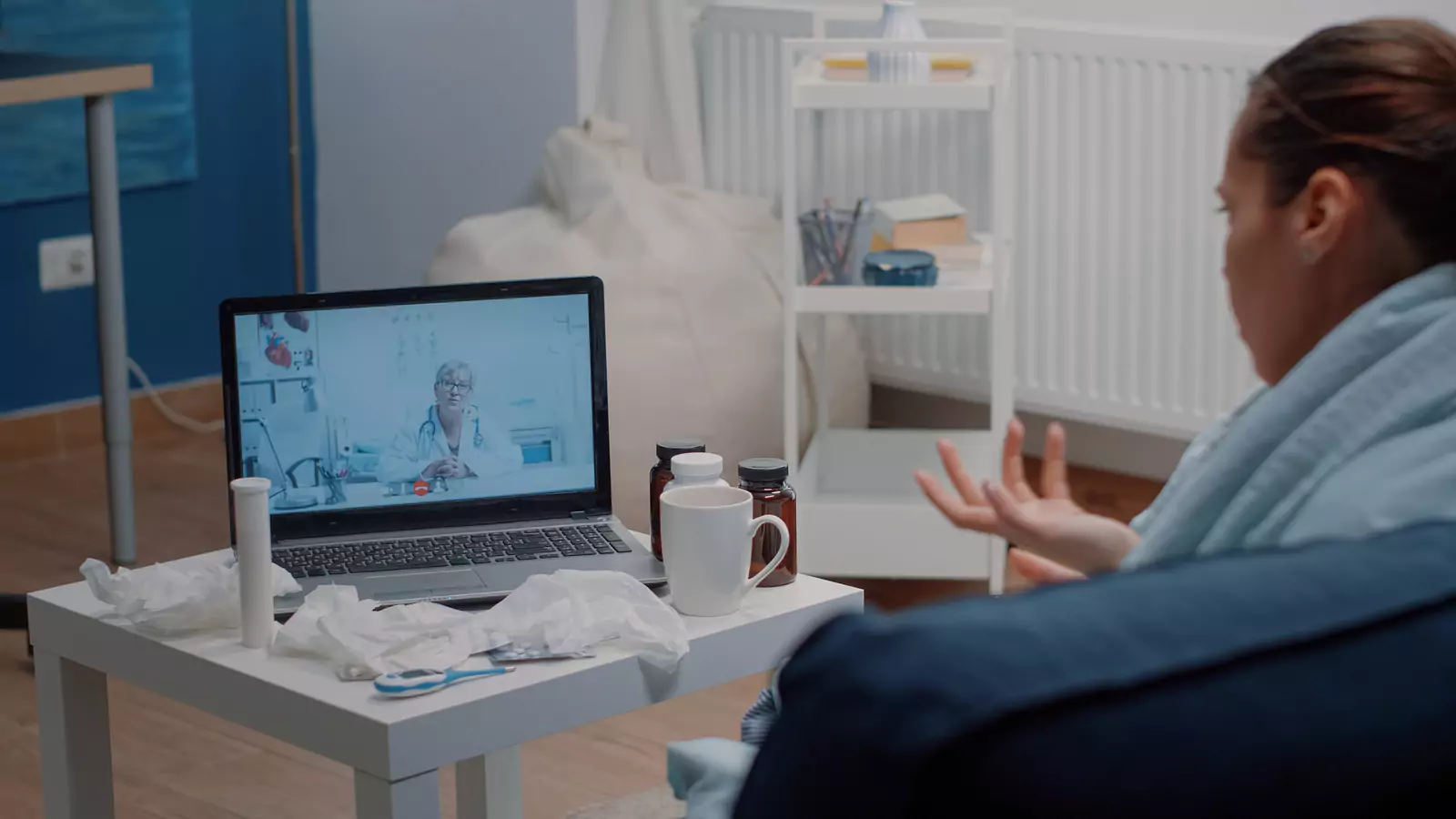
VirtualCare2Go offers convenient telehealth appointments with licensed healthcare providers for patients located throughout Texas. For appropriate non-emergency symptoms, a provider can review when the pressure began, whether your hearing has changed, your allergy symptoms, recent travel, medications, jaw symptoms, and other factors.
Because healthcare providers sometimes need to look directly inside the ear with an otoscope, certain symptoms will still require an in-person examination.
Seek prompt medical attention for sudden significant hearing loss, especially in one ear. Call 911 for ear symptoms occurring with new facial drooping, one-sided weakness or numbness, difficulty speaking, severe neurological symptoms, loss of consciousness, or another life-threatening condition.
What Does a Clogged Ear Feel Like?
People describe ear fullness in different ways.
You may say your ear feels:
- Blocked
- Plugged
- Full
- Pressurized
- Underwater
- Like it needs to pop
- Like something is stuck inside
You may also notice:
- Muffled hearing
- Popping or crackling
- Mild discomfort
- Ringing
- An echoing sensation
- Your own voice sounding different
Tell your healthcare provider whether symptoms affect one ear or both ears, because that distinction can be useful.
Could It Simply Be Earwax?
Yes.
Earwax helps protect the ear canal, but sometimes too much accumulates and creates a blockage.
Earwax buildup may cause:
- Clogged sensation
- Reduced or muffled hearing
- Ear fullness
- Ringing
- Itching
- Mild discomfort
Some people naturally produce more earwax than others.
Devices that sit inside or around the ear may also affect how wax moves through the ear canal.
If earwax is suspected, an in-person examination can confirm whether a blockage is actually present.
Should You Use a Cotton Swab?
Putting a cotton swab into the ear canal may seem like the easiest solution.
Unfortunately, it can push wax deeper into the canal instead of removing it.
Objects inserted into the ear may also injure:
- The ear canal
- The eardrum
Avoid placing cotton swabs, hairpins, keys, or other objects inside the ear canal.
If you think earwax is blocking your ear, ask a healthcare professional about the safest approach for your situation.
What About Ear Candles?
Ear candling is not a recommended method for removing earwax.
It can potentially cause:
- Burns
- Wax blockage
- Ear injury
- Eardrum damage
A clogged ear deserves proper evaluation rather than attempting potentially harmful home-removal techniques.
Could Allergies Make My Ear Feel Clogged?
Yes.
Seasonal and environmental allergies can affect more than your nose and eyes.
Inflammation and congestion around the structures that help regulate middle-ear pressure may contribute to:
- Ear fullness
- Popping
- Pressure
- Muffled hearing
You may also experience:
- Sneezing
- Stuffy nose
- Runny nose
- Itchy eyes
- Watery eyes
- Postnasal drainage
Some people experience ear pressure during allergy season even when they don't feel “sick.”
What Is the Eustachian Tube?
The Eustachian tube is a small passage that connects the middle ear with the back of the nose and throat.
Its job includes helping equalize pressure on both sides of the eardrum.
Normally, the tube opens briefly when you:
- Swallow
- Yawn
- Chew
If it isn't functioning normally, you may experience:
- Pressure
- Fullness
- Popping
- Crackling
- Muffled hearing
This is sometimes referred to as Eustachian tube dysfunction.
Allergies, respiratory infections, pressure changes, and other factors can contribute.
Why Does My Ear Feel Like It Needs to Pop?
That “needs to pop” feeling often involves a difference in pressure across the eardrum.
You might notice it:
- On an airplane
- Driving through elevation changes
- Traveling through mountainous areas
- After diving
- During nasal congestion
Swallowing or yawning may sometimes help the pressure equalize naturally.
However, persistent pressure or significant pain after a pressure change deserves evaluation.
Can Flying Cause a Clogged Ear?
Yes.
Air pressure changes rapidly during takeoff and landing.
If your middle-ear pressure doesn't adjust quickly enough, you may experience:
- Fullness
- Popping
- Ear pain
- Muffled hearing
Symptoms often improve after the pressure equalizes.
Significant pain, bleeding or drainage from the ear, severe dizziness, or hearing changes that persist after travel should be medically evaluated.
Could There Be Fluid Behind My Eardrum?
Yes.
Fluid can sometimes collect in the middle ear.
This may cause:
- Fullness
- Pressure
- Muffled hearing
- Popping
Fluid behind the eardrum doesn't always cause severe pain or fever.
In some cases, it may remain after a respiratory illness even after other symptoms have resolved.
Because the fluid is located behind the eardrum, a healthcare provider may need to examine the ear directly to determine whether it is present.
Could I Have an Ear Infection Without Feeling Sick?
It's possible.
Not every ear problem causes fever or obvious illness.
Symptoms may include:
- Ear pain
- Fullness
- Pressure
- Hearing changes
- Drainage
Different parts of the ear can become irritated or infected, and treatment depends on the location and cause.
An in-person ear examination may be necessary if infection is suspected.
Could Swimming Cause a Clogged Feeling?
Water trapped in or irritation of the ear canal may sometimes cause fullness after swimming or bathing.
You may notice:
- Clogged sensation
- Itching
- Discomfort
- Pain when touching the outer ear
- Drainage
Avoid repeatedly inserting objects into the ear to try to remove water.
Increasing pain, drainage, or significant swelling should be evaluated.
Can Jaw Problems Make My Ear Feel Full?
Surprisingly, yes.
The temporomandibular joint—or TMJ—is located very close to the ear.
Jaw-joint or muscle problems may sometimes create sensations that seem like they originate inside the ear.
Possible clues include:
- Jaw pain
- Clicking or popping
- Pain while chewing
- Jaw tightness
- Teeth grinding
- Morning jaw soreness
- Facial muscle tenderness
Tell your provider if ear fullness consistently occurs alongside jaw discomfort.
Can Teeth Grinding Contribute?
Clenching or grinding the teeth may irritate muscles and structures around the jaw.
Because the jaw joint sits close to the ear, some people notice:
- Ear pressure
- Ear-area discomfort
- Jaw tightness
- Headaches
If you frequently wake with jaw soreness or have been told that you grind your teeth at night, mention this during your evaluation.
A dental evaluation may sometimes be appropriate.
What If My Ear Is Ringing Too?
Ringing or other sounds without an outside source are generally called tinnitus.
Tinnitus can occur with several ear conditions and may accompany:
- Earwax buildup
- Hearing changes
- Ear pressure
- Other ear problems
Persistent or bothersome tinnitus deserves evaluation.
Sudden hearing loss with new tinnitus or ear fullness—particularly in one ear—should be evaluated promptly.
Sudden Hearing Loss Is Different From a Mild Clogged Feeling
This distinction is extremely important.
Sometimes sudden hearing loss can initially feel as though an ear is simply clogged.
A person may assume they have:
- Earwax
- Water in the ear
- Congestion
when the problem is actually a sudden change in hearing.
If hearing suddenly becomes significantly reduced in one ear over hours or a few days, seek prompt medical evaluation rather than waiting to see whether the ear eventually pops.
Certain causes of sudden hearing loss are time-sensitive.
Could Dizziness Be Related?
The inner ear plays an important role in balance.
Some ear conditions can cause dizziness or vertigo along with pressure or hearing changes.
Tell your healthcare provider if you experience:
- Spinning sensation
- Imbalance
- Nausea
- Hearing changes
- Ringing
Severe new dizziness with neurological symptoms such as facial drooping, one-sided weakness, difficulty speaking, or severe loss of coordination requires emergency evaluation.
Keep an Ear Symptom Diary
If the clogged sensation comes and goes, keeping a brief record may reveal a pattern.
Track:
- Which ear is affected
- When symptoms begin
- How long they last
- Hearing changes
- Popping or crackling
- Ringing
- Pain
- Drainage
- Dizziness
- Allergy symptoms
- Recent flights
- Swimming
- Jaw discomfort
- Teeth grinding
- What makes symptoms better or worse
This information can help your healthcare provider determine the most appropriate next step.
What Can You Do for Mild Ear Fullness?
The best approach depends on the cause.
For mild symptoms without warning signs, general measures may include:
- Avoid inserting objects into the ear canal.
- Avoid repeatedly trying to forcefully “pop” the ear.
- Swallow or yawn naturally during mild pressure changes.
- Follow your healthcare provider's allergy treatment plan when applicable.
- Monitor for pain, drainage, dizziness, or hearing changes.
Don't automatically use ear drops when you don't know the cause.
Certain ear products may not be appropriate when there is an eardrum injury, ear tube, infection, or another condition.
When Can Telehealth Help?
Telehealth can be a useful starting point for non-emergency ear fullness or pressure.
Consider scheduling a virtual visit if:
- Your ear repeatedly feels clogged.
- You have mild pressure without severe pain.
- Allergy symptoms occur with ear fullness.
- Your ear feels plugged after a flight.
- You experience recurring popping or crackling.
- Jaw symptoms may be contributing.
- You're unsure whether you need an in-person ear examination.
- You want guidance about appropriate next steps.
During your VirtualCare2Go appointment, your provider may ask about:
- Which ear is affected
- When symptoms began
- Hearing changes
- Pain
- Ringing
- Drainage
- Dizziness
- Allergies
- Recent respiratory illness
- Recent flights
- Swimming
- Earwax history
- Jaw pain
- Medications
- Previous ear problems
Your provider can then help determine whether supportive care is reasonable or whether you need an in-person examination.
Why Might I Still Need an In-Person Ear Exam?
Unlike a rash on the arm, important structures inside the ear can't always be adequately evaluated through a standard video appointment.
A clinician may need an otoscope to look at:
- The ear canal
- Earwax
- The eardrum
- Signs of infection
- Fluid behind the eardrum
- Possible injury
That's why telehealth may sometimes serve as the first step rather than the entire evaluation.
The goal is to help determine the safest and most appropriate level of care.
When Should You Seek Prompt In-Person Care?
Seek prompt medical evaluation for:
- Sudden significant hearing loss
- Rapidly worsening hearing
- Severe ear pain
- Bloody or pus-like drainage
- Significant dizziness or vertigo
- Ear symptoms after significant head trauma
- Persistent symptoms after a major pressure change
- Significant swelling or redness around the ear
- Fever with worsening ear symptoms
- A foreign object in the ear
- Symptoms that are steadily worsening
Children and people with certain medical conditions may require different evaluation thresholds.
When Is an Ear Problem an Emergency?
Call 911 or seek emergency medical attention immediately if ear symptoms occur with:
- New facial drooping
- New one-sided weakness or numbness
- Difficulty speaking
- Severe confusion
- Loss of consciousness
- Seizure activity
- Severe sudden dizziness with neurological symptoms
- Significant head trauma with concerning symptoms
- Any other life-threatening condition
Do not wait for a routine telehealth appointment when serious neurological symptoms are present.
Frequently Asked Questions
Why does my ear feel clogged when I don't have a cold?
Possible causes include earwax, allergies, pressure changes, Eustachian tube dysfunction, middle-ear fluid, jaw problems, and other ear conditions.
Can allergies clog my ears?
Yes. Allergy-related inflammation and congestion may interfere with normal middle-ear pressure regulation and contribute to fullness or popping.
How do I know if my ear is clogged with wax?
Earwax may cause fullness and muffled hearing, but the safest way to confirm a significant blockage is for a healthcare professional to examine the ear.
Should I clean my ears with cotton swabs?
Avoid inserting cotton swabs into the ear canal. They may push wax deeper or injure the ear.
Why does my ear keep popping?
Repeated popping may be related to pressure regulation through the Eustachian tube, allergies, congestion, or pressure changes.
Can TMJ problems make my ear feel clogged?
Yes. Because the jaw joint is located close to the ear, jaw-joint irritation or muscle tension may sometimes feel like ear pressure.
Is a clogged ear with hearing loss serious?
Mild muffled hearing can occur with wax or pressure problems, but sudden significant hearing loss—especially in one ear—needs prompt medical evaluation.
Can telehealth treat a clogged ear?
Telehealth can help assess symptoms and determine the appropriate next step. However, some ear conditions require an in-person examination with an otoscope before the cause can be confirmed.
Convenient Virtual Care Throughout Texas
A clogged ear may seem like a small annoyance, but persistent pressure or hearing changes can quickly become frustrating.
Instead of repeatedly trying to pop or clean the ear yourself, consider looking at the complete pattern of symptoms.
Is it one ear or both?
Did it start after a flight?
Are allergies acting up?
Is your jaw sore?
Has your hearing suddenly changed?
Those details can help determine what needs to happen next.
VirtualCare2Go makes it convenient for patients located throughout Texas to connect with licensed healthcare providers from home or another private location.
For appropriate non-emergency symptoms, your provider can review your ear pressure, hearing concerns, allergy symptoms, travel history, jaw symptoms, and other factors and help determine whether supportive care or an in-person ear examination is appropriate.
Patients must be physically located in Texas during their appointment.
Schedule Your Virtual Visit
If your ear repeatedly feels clogged, full, or pressurized and you're not experiencing urgent or emergency warning signs, consider scheduling a virtual evaluation.
Book your virtual visit today: https://virtualcare2go.com/