
 ES
ES








Why Does My Ear Feel Clogged?
Understanding Ear Pressure, Fullness, and Muffled Hearing
You wake up and one ear feels strange. It isn't necessarily painful. It just feels blocked.
Sounds seem muffled. Your own voice may sound louder than usual. Maybe there's pressure that won't quite “pop,” or it feels like there's something sitting inside your ear.
Naturally, you start wondering: Is it earwax? Allergies? An ear infection? Something else?
A clogged or full sensation in the ear can happen for several reasons, including:
- Nasal congestion
- Colds and respiratory illnesses
- Allergies
- Pressure changes
- Earwax buildup
- Fluid behind the eardrum
- Ear infections
- Water trapped in the ear
- Other ear conditions
Sometimes the sensation improves on its own as congestion clears.
Other times, an examination of the ear is necessary to determine what's actually causing the blockage.
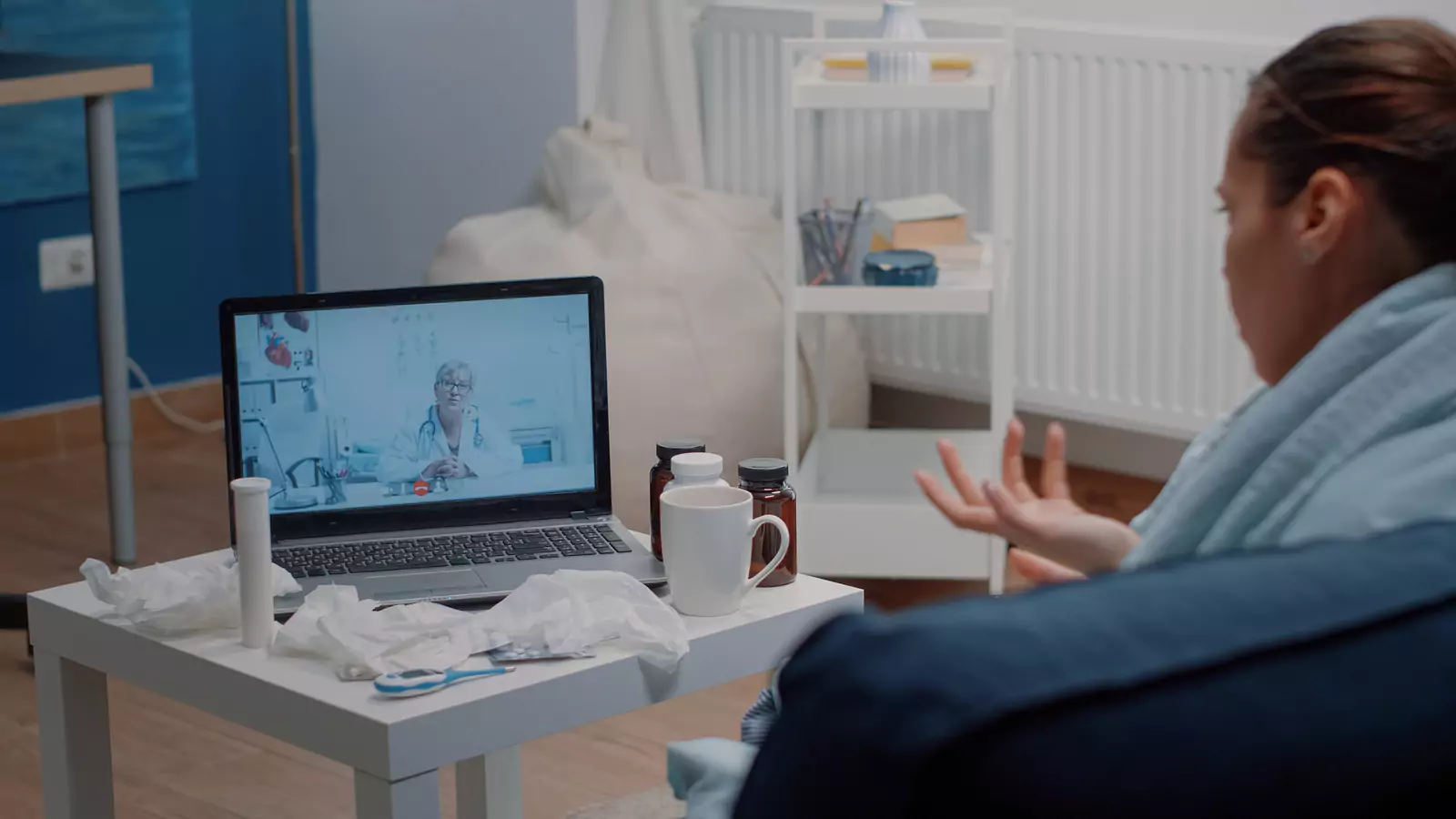
VirtualCare2Go specifically includes ear problems among the conditions it treats. For appropriate non-emergency symptoms, a licensed provider can review what you're experiencing and help determine the best next step.
Because the inside of the ear cannot always be adequately examined through a standard virtual visit, your provider may recommend in-person care when the eardrum or ear canal needs to be directly examined.
What Does a Clogged Ear Feel Like?
People describe ear fullness in different ways.
You might say your ear feels:
- Blocked
- Plugged
- Stuffed
- Underwater
- Pressurized
- Like it needs to pop
You may also notice:
- Muffled hearing
- Popping or clicking
- Mild discomfort
- Pressure
- Ringing
- A sensation of fluid
The exact combination of symptoms can help your provider understand what may be happening.
Can a Cold Make My Ear Feel Clogged?
Yes.
The ears, nose, and throat are closely connected.
A small passage called the Eustachian tube helps regulate pressure between the middle ear and the back of the nose and throat.
When you have a cold, swelling and congestion may interfere with how well that tube functions.
You may notice:
- Ear pressure
- Popping
- Muffled hearing
- Fullness
- Mild discomfort
Sometimes the clogged sensation lasts even after your other cold symptoms begin improving.
Why Does My Ear Need to “Pop”?
Normally, pressure on both sides of the eardrum stays relatively balanced.
When pressure isn't equal, your ear may feel:
- Full
- Tight
- Uncomfortable
Swallowing or yawning may sometimes produce a pop as pressure equalizes.
If your ear continually feels like it needs to pop but won't, congestion or Eustachian tube dysfunction may be contributing.
Can Allergies Clog My Ears?
Yes.
Allergies can cause inflammation and congestion around the nose and upper airway.
That may interfere with normal Eustachian tube function.
You may also experience:
- Sneezing
- Runny nose
- Nasal congestion
- Itchy eyes
- Watery eyes
- Postnasal drainage
VirtualCare2Go also specifically treats allergies.
If ear fullness appears around the same time as your seasonal allergy symptoms, mention that during your appointment.
Can Flying Make My Ears Feel Clogged?
Absolutely.
Changes in air pressure during takeoff and landing can temporarily affect the middle ear.
You may notice:
- Pressure
- Popping
- Discomfort
- Muffled hearing
Most mild pressure-related symptoms improve as the ears equalize.
However, significant pain, bleeding, severe dizziness, or persistent hearing changes after flying deserve medical evaluation.
Why Do My Ears Feel Clogged After a Road Trip?
Air pressure changes aren't limited to airplanes.
Driving through significant elevation changes—such as mountainous areas—can also affect the ears.
Your ears may pop as the surrounding air pressure changes.
If congestion or allergies are already affecting the Eustachian tubes, pressure equalization may be more difficult.
Can Swimming Cause a Clogged Ear?
Yes.
Water can sometimes remain in the outer ear canal after:
- Swimming
- Showering
- Water activities
This may create an “underwater” or blocked sensation.
But a clogged ear after swimming can also be associated with swimmer's ear, particularly if you develop:
- Ear pain
- Tenderness
- Drainage
- Increasing discomfort
Avoid aggressively inserting objects into the ear to remove water.
Is It Earwax?
Possibly.
Earwax normally protects the ear canal.
But sometimes wax can accumulate and contribute to:
- Fullness
- Blocked sensation
- Muffled hearing
- Ringing
- Discomfort
You can't reliably confirm a wax blockage just because your ear feels clogged.
Other ear conditions can cause similar symptoms.
An in-person ear examination may be necessary to determine whether wax is actually the problem.
Should I Use a Cotton Swab?
Avoid inserting cotton swabs deeply into the ear canal.
Although it may feel like you're “cleaning” the ear, a cotton swab can sometimes push wax farther inward.
It may also:
- Irritate the ear canal
- Cause small injuries
- Impact wax
- Damage the eardrum if inserted too deeply
The ear canal doesn't need aggressive routine cleaning.
What About Bobby Pins or Ear-Cleaning Tools?
Don't insert household objects into your ear.
That includes:
- Bobby pins
- Keys
- Pens
- Tweezers
- Hairpins
- Other improvised tools
You may injure the ear canal or eardrum while trying to remove something you can't actually see.
If you think something is stuck inside the ear, seek appropriate medical care.
Are Ear Candles Safe?
Ear candling is not a recommended method for removing earwax.
It can create risks such as:
- Burns
- Wax entering the ear
- Ear canal injury
- Eardrum damage
If you suspect impacted earwax, ask a healthcare provider about appropriate removal options instead.
Can Earwax Cause Hearing Loss?
A significant wax blockage can sometimes reduce hearing in the affected ear.
But hearing changes have many possible causes.
If your hearing suddenly changes, don't automatically assume wax is responsible.
Sudden hearing loss—particularly in one ear—requires prompt medical evaluation.
Timing can matter with certain causes of sudden hearing loss.
What Is Fluid Behind the Eardrum?
Fluid can sometimes collect in the middle ear.
This may occur after:
- A cold
- Congestion
- Other upper respiratory problems
You might notice:
- Fullness
- Popping
- Muffled hearing
- Pressure
There may not always be significant pain or fever.
An in-person examination may be necessary to determine whether fluid is actually present.
Does Fluid Mean I Have an Ear Infection?
Not necessarily.
Fluid behind the eardrum and an acute middle-ear infection aren't exactly the same thing.
That's one reason an ear examination can be important.
Symptoms alone may not reliably determine what is happening behind the eardrum.
Could It Be an Ear Infection?
Yes, an ear infection is one possible cause of ear pressure or fullness.
Depending on the type of infection, symptoms may include:
- Ear pain
- Fullness
- Fever
- Drainage
- Hearing changes
- Irritability in children
However, not every clogged ear is infected.
And not every ear problem requires antibiotics.
A healthcare provider can determine whether additional examination or treatment is appropriate.
Does Every Ear Infection Need Antibiotics?
No.
Treatment depends on:
- Type of ear problem
- Age
- Severity
- Duration
- Examination findings
- Other medical factors
Antibiotics don't treat every cause of ear fullness.
Don't take leftover antibiotics because your ear feels clogged.
Why Is Only One Ear Clogged?
One-sided symptoms may occur with:
- Earwax
- Fluid
- Infection
- Water in the ear
- Pressure differences
- Other ear conditions
Tell your provider if the problem is consistently limited to one side.
Persistent one-sided symptoms may deserve an in-person examination.
Why Are Both Ears Clogged?
Both ears may feel blocked during:
- A cold
- Significant nasal congestion
- Allergies
- Air-pressure changes
If both ears suddenly develop major hearing changes or other concerning symptoms, seek medical evaluation.
Why Does My Own Voice Sound Strange?
When an ear is blocked or pressure isn't equalized normally, sounds may seem different.
Your own voice may sound:
- Louder
- Echoing
- Hollow
- Like you're speaking underwater
This may occur when sound transmission through the ear is altered.
Tell your provider whether your hearing feels different along with the pressure.
Why Does My Ear Crackle?
Crackling or popping may occur when pressure changes or the Eustachian tube opens and closes.
Some people notice it while:
- Swallowing
- Yawning
- Chewing
- Recovering from congestion
Persistent crackling with pain, hearing loss, drainage, or other symptoms deserves evaluation.
Can I Force My Ear to Pop?
People sometimes try to forcefully equalize their ears.
Be cautious.
Aggressive pressure can potentially cause injury.
Gentle swallowing, yawning, or chewing may naturally help pressure equalize in some situations.
If the ear is painful or won't clear, don't repeatedly use excessive force.
Can Chewing Gum Help on a Plane?
Chewing or swallowing may help encourage the Eustachian tube to open during pressure changes.
That's why some people chew gum during takeoff or landing.
It may help with mild pressure discomfort, but it isn't a treatment for an infection or another underlying ear condition.
Can Congestion Medicine Help?
Certain medications may sometimes be appropriate depending on the cause of congestion and your medical history.
However, decongestants aren't suitable for everyone.
They may require caution in people with certain:
- Heart conditions
- Blood pressure problems
- Medication interactions
- Other health concerns
Ask a healthcare provider or pharmacist before using a medication if you're unsure whether it's appropriate for you.
What About Nasal Sprays?
Different nasal sprays work differently.
Some are intended for allergies.
Others are decongestants.
Certain decongestant sprays can cause rebound congestion if used longer than directed.
Don't assume every nasal spray is interchangeable.
A healthcare provider can help determine whether one is appropriate for your symptoms.
Could My Jaw Be Causing Ear Pressure?
Sometimes discomfort around the jaw joint can feel like an ear problem.
The temporomandibular joint, or TMJ, sits close to the ear.
Problems in this area may cause:
- Ear-area pressure
- Jaw pain
- Clicking
- Pain with chewing
- Headache
If your ear feels full but you also have significant jaw symptoms, mention that during your evaluation.
Can Teeth Problems Feel Like Ear Problems?
Pain from the teeth or jaw can sometimes be perceived near the ear.
Dental problems may be more likely if you also have:
- Tooth pain
- Pain when chewing
- Gum swelling
- Sensitivity
- Facial swelling
VirtualCare2Go's ear evaluation may help determine whether another type of care is more appropriate.
What If My Ear Is Ringing Too?
Ringing in the ears is called tinnitus.
It may occur with various ear conditions and sometimes accompanies:
- Wax blockage
- Hearing changes
- Noise exposure
- Other ear problems
New persistent tinnitus deserves discussion with a healthcare provider.
Sudden hearing loss accompanied by ringing is especially important and requires prompt evaluation.
What If I Feel Dizzy?
Ear problems can sometimes occur with dizziness or balance symptoms.
Tell your provider whether you feel:
- Lightheaded
- Off-balance
- Like the room is spinning
These sensations aren't all the same.
Severe sudden dizziness accompanied by neurological symptoms, inability to walk normally, severe headache, weakness, numbness, or difficulty speaking requires emergency evaluation.
What If There Is Drainage From My Ear?
Ear drainage deserves medical attention, particularly when it is:
- Bloody
- Pus-like
- Foul-smelling
- Persistent
Don't insert objects into the ear trying to clean deeply inside.
Drainage may indicate infection, injury, or another problem that requires an ear examination.
What If My Ear Is Bleeding?
Bleeding from the ear isn't something to treat as routine wax buildup.
Seek medical evaluation, especially if bleeding occurs after:
- Injury
- Inserting an object
- A loud blast
- Significant pressure change
Significant trauma or neurological symptoms require emergency evaluation.
What If Something Is Stuck in My Ear?
Don't blindly insert tweezers or other objects trying to remove it.
You may push the object deeper or injure the ear.
This is especially important with:
- Small batteries
- Sharp objects
- Objects lodged deeply
A button battery in the ear requires urgent medical attention.
What About Bugs in the Ear?
An insect in the ear can be frightening and uncomfortable.
Avoid aggressively probing the ear with tools.
Seek medical guidance for safe removal, particularly if there is:
- Significant pain
- Bleeding
- Suspected injury
- Persistent symptoms
Can Kids Have Clogged Ears?
Yes.
Children may develop ear pressure or fullness with:
- Colds
- Congestion
- Fluid behind the eardrum
- Ear infections
Younger children may not say, “My ear feels clogged.”
Instead, parents may notice:
- Ear pulling
- Irritability
- Trouble sleeping
- Changes in hearing
- Fever
- Complaints that sounds are “quiet”
Persistent or significant symptoms deserve medical evaluation.
Why Does My Child Seem Not to Hear Me?
Fluid, wax, or other ear problems can sometimes temporarily affect hearing.
But don't assume a child is simply ignoring you if there is a noticeable new hearing change.
An in-person ear examination or hearing assessment may be appropriate.
Can I Take a Photo of My Ear for Telehealth?
A photograph of the outside of the ear can be helpful if there is visible:
- Redness
- Swelling
- Rash
- Drainage
However, an ordinary phone camera usually cannot provide the same view of the ear canal and eardrum that a clinician gets with an otoscope.
That's why some ear concerns ultimately need in-person evaluation.
What Should I Track Before My Appointment?
Think about:
- When the clogged feeling started
- One ear or both
- Recent cold
- Allergies
- Recent flight
- Swimming
- Ear pain
- Fever
- Drainage
- Ringing
- Dizziness
- Hearing changes
- Recent loud-noise exposure
- Anything placed inside the ear
These details can help your provider determine what may be happening.
When Can VirtualCare2Go Help?
Because ear problems are specifically included in VirtualCare2Go's treatment scope, telehealth can be a useful starting point for many non-emergency ear concerns.
Consider scheduling a virtual visit if:
- Your ear feels clogged or full.
- You have ear pressure with congestion.
- Your ears feel blocked during allergy symptoms.
- You notice popping or crackling.
- You have mild ear discomfort.
- You're unsure whether symptoms could be related to earwax.
- Your ear became clogged after a cold.
- You're unsure whether an in-person ear examination is necessary.
During your appointment, your provider may ask about:
- Ear pain
- Pressure
- Hearing
- Congestion
- Allergies
- Fever
- Drainage
- Swimming
- Travel
- Dizziness
- Ringing
- Recent injury
- Medications
- Medical history
Based on your symptoms, the provider can recommend appropriate next steps or direct you to in-person care when an ear examination is necessary.
When Might You Need In-Person Ear Care?
This is particularly important with ear complaints.
An in-person examination may be recommended when the provider needs to see:
- The ear canal
- The eardrum
- Possible impacted wax
- Possible infection
- A foreign object
You may also need in-person care for:
- Significant ear pain
- Persistent hearing changes
- Drainage
- Bleeding
- Recurrent symptoms
- Significant dizziness
- Symptoms that aren't improving
Telehealth can help determine whether that next step is necessary.
When Should You Seek Prompt Medical Care?
Seek prompt medical evaluation for:
- Sudden hearing loss
- Significant or worsening ear pain
- Bloody or pus-like drainage
- Significant dizziness
- Persistent hearing changes
- Severe symptoms after flying or diving
- A suspected eardrum injury
- A foreign object in the ear
- Significant swelling around the ear
- Fever with worsening ear symptoms
Sudden hearing loss should not be treated as routine congestion or earwax.
When Is an Ear Problem an Emergency?
Seek emergency medical attention for:
- Significant head trauma with ear bleeding or clear drainage
- Severe dizziness with stroke-like symptoms
- Loss of consciousness
- A button battery lodged in the ear
- Severe neurological symptoms
- Other potentially life-threatening symptoms
Routine telehealth should never delay emergency treatment.
Frequently Asked Questions
Why does my ear feel clogged but not hurt?
Congestion, allergies, pressure changes, earwax, fluid behind the eardrum, and other ear problems can cause fullness without significant pain.
Can allergies clog my ears?
Yes. Allergy-related congestion may interfere with normal Eustachian tube function and contribute to ear pressure or fullness.
Can a cold cause muffled hearing?
Congestion and middle-ear fluid may temporarily make sounds seem muffled during or after a respiratory illness.
Should I clean a clogged ear with a cotton swab?
Avoid inserting cotton swabs deeply into the ear canal. They may push wax farther inward or cause injury.
Are ear candles safe for clogged ears?
Ear candling is not recommended for earwax removal and may cause burns or ear injury.
Does a clogged ear mean I have an ear infection?
Not necessarily. Ear infections are only one possible cause.
Can earwax cause muffled hearing?
Yes, significant wax buildup may affect hearing, but other conditions can cause similar symptoms.
Why won't my ear pop?
Congestion or problems with Eustachian tube function may make pressure equalization more difficult.
Does VirtualCare2Go treat ear problems?
Yes. Ear problems are specifically included among the conditions VirtualCare2Go treats.
Can an ear problem be diagnosed completely through telehealth?
Sometimes symptoms can be evaluated virtually, but certain ear problems require an in-person examination of the ear canal and eardrum.
Convenient Virtual Care Throughout Texas
When an ear suddenly feels clogged, it's tempting to immediately reach for a cotton swab.
But first, think about what was happening before the pressure started.
Did you recently have a cold?
Are your allergies acting up?
Did you fly?
Go swimming?
Notice hearing changes?
Have ringing or dizziness?
Those clues can help determine whether you're dealing with temporary pressure, congestion, possible wax buildup, or an ear problem that needs a closer look.
VirtualCare2Go provides virtual care for ear problems, allergies, cough, respiratory problems, and many other common non-emergency conditions throughout Texas.
A licensed healthcare provider can review your symptoms and help determine appropriate treatment or whether an in-person ear examination is necessary.
Patients must be physically located in Texas during their appointment.
Schedule Your Virtual Visit
If your ear feels clogged, full, pressurized, or muffled and you aren't experiencing serious warning signs, consider scheduling a virtual evaluation with VirtualCare2Go.
Book your virtual visit today: https://www.virtualcare2go.com/