
 ES
ES








Why Did My Eczema Suddenly Flare Up?
Understanding Eczema Flares and Everyday Triggers
Your skin had finally been doing well. Then suddenly, that familiar itch returned.
Maybe a patch on your arm became dry and irritated again. Perhaps your hands started cracking, or an area that had nearly cleared became itchy enough to keep you awake.
And you're wondering: What triggered my eczema this time?
Eczema is a common condition that can cause periods of relatively calm skin followed by flare-ups, when symptoms become more noticeable.
During a flare, you may experience:
- Itching
- Dryness
- Redness or other color changes
- Rough or scaly patches
- Irritation
- Cracking
- Thickened skin
- Small bumps
- Areas that become sore from scratching
The frustrating part is that there isn't always one obvious trigger.
Heat and sweating might contribute to one flare, while a new soap, dry weather, stress, or another exposure could be involved the next time.
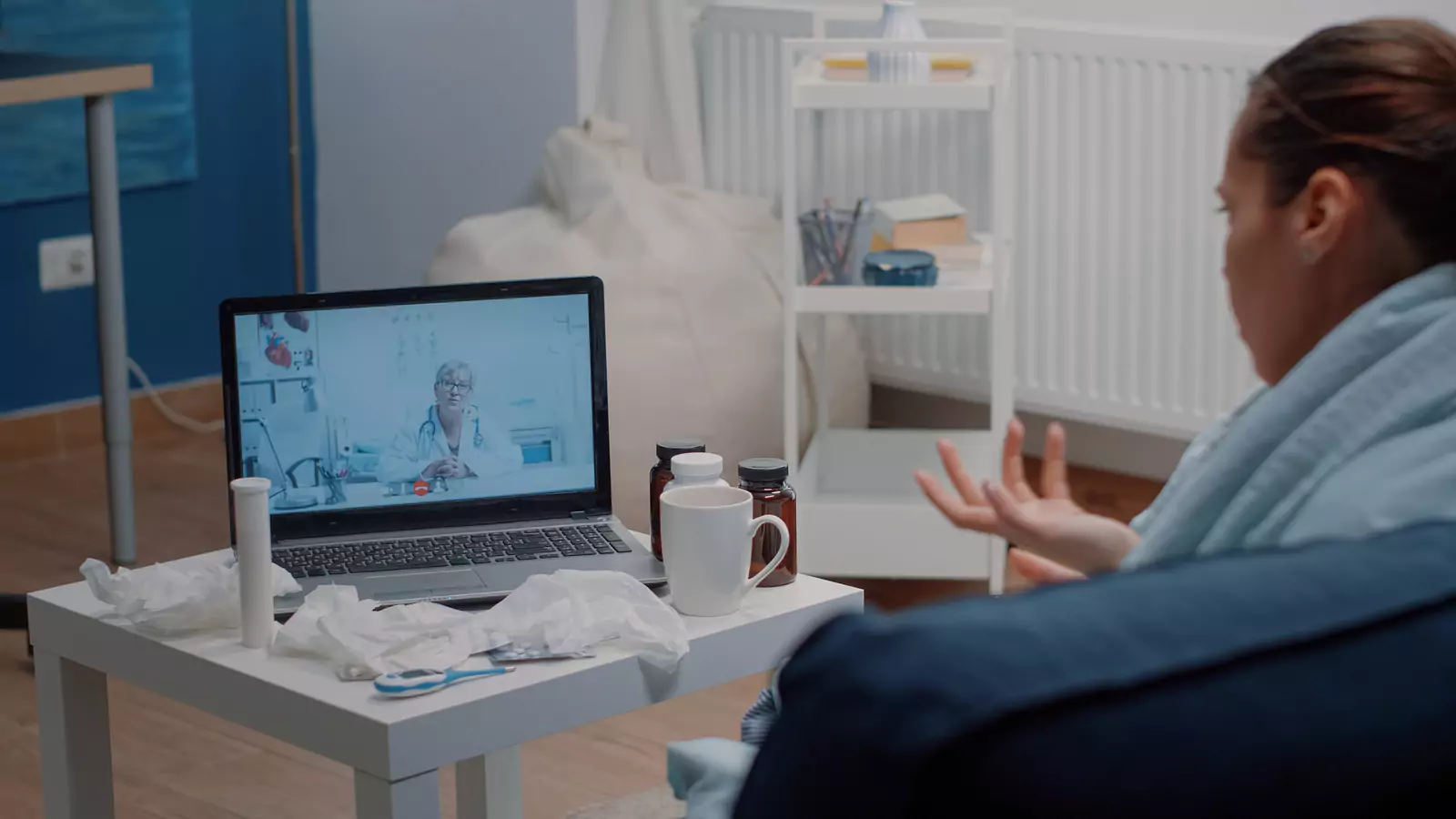
VirtualCare2Go specifically includes eczema among the conditions it treats. For appropriate non-emergency symptoms, a licensed provider can evaluate your skin, discuss possible triggers, and determine whether prescription or other treatment may be appropriate.
However, eczema that becomes increasingly painful, warm, swollen, draining, crusted, blistered, or associated with fever may need additional evaluation for infection or another skin condition.
What Is an Eczema Flare?
An eczema flare is a period when symptoms become more active or severe.
Skin that had been relatively comfortable may suddenly become:
- Itchy
- Dry
- Inflamed
- Rough
- Sensitive
Some people experience frequent flares.
Others may go weeks or months between them.
Your symptoms may also change depending on:
- Season
- Environment
- Skin-care routine
- Stress
- Activities
- Individual triggers
Learning what tends to bother your skin can make eczema easier to manage.
Why Is Eczema So Itchy?
Itching is one of the most frustrating eczema symptoms.
And unfortunately, itching can create a cycle:
Skin becomes irritated → it starts itching → you scratch → the skin becomes more damaged → it itches even more.
This is sometimes called the itch-scratch cycle.
Repeated scratching may:
- Increase inflammation
- Damage the skin
- Cause bleeding
- Make skin thicker over time
- Increase the chance of infection
Managing the itch can therefore be an important part of managing the flare itself.
Can Hot Texas Weather Trigger Eczema?
For some people, yes.
Heat and sweating can make eczema feel significantly worse.
You may notice more irritation after:
- Exercising outdoors
- Yard work
- Sporting events
- Spending extended time in the heat
- Wearing sweaty clothing
- Sitting in a hot car
- Outdoor activities
Sweat can sting already irritated or cracked skin.
If you notice that heat consistently contributes to your flares, cooling down and changing out of damp clothing may help reduce prolonged irritation.
Can Sweat Make Eczema Itch?
Yes, it can for some people.
Sweat contains substances that may irritate sensitive or damaged skin.
You might notice itching:
- Around the neck
- Inside the elbows
- Behind the knees
- Under tight clothing
- Around waistbands
- Anywhere sweat remains trapped against the skin
After heavy sweating, gently rinsing the skin and changing into clean, dry clothing may be more comfortable.
Avoid aggressive scrubbing.
Can Hot Showers Make Eczema Worse?
Long, very hot showers may leave eczema-prone skin feeling even drier.
You may feel good while standing under the hot water, only to notice that your skin becomes:
- Tight
- Dry
- Itchy
- Irritated
afterward.
Consider using comfortably warm rather than extremely hot water.
And avoid scrubbing irritated skin aggressively with rough washcloths or exfoliating tools.
Can Soap Trigger an Eczema Flare?
Certain soaps and cleansers can irritate sensitive skin.
Potential triggers may include products containing:
- Fragrance
- Strong detergents
- Dyes
- Other irritating ingredients
Even products marketed as “clean,” “natural,” or heavily scented aren't automatically ideal for eczema-prone skin.
If your eczema suddenly worsens, think about whether you've recently changed:
- Body wash
- Hand soap
- Shampoo
- Face wash
- Laundry products
- Household cleaners
Sometimes the trigger is something you use every day without thinking about it.
What About Fragrances?
Fragrances can be irritating for some people with sensitive or eczema-prone skin.
They may be found in:
- Lotions
- Perfumes
- Body sprays
- Soaps
- Laundry products
- Dryer sheets
- Hair products
If you're experiencing an unexplained flare, reviewing fragranced products can be worthwhile.
That doesn't mean every person with eczema must eliminate every scented product forever.
Individual sensitivity varies.
Can Laundry Detergent Affect Eczema?
Possibly.
Residue from detergents, fragrances, or fabric products may irritate some people's skin.
Pay attention if eczema becomes worse in areas covered by clothing or after changing laundry products.
Possible culprits may include:
- Detergent
- Scent boosters
- Fabric softeners
- Dryer sheets
If you suspect a laundry product, changing one thing at a time may make it easier to identify whether it actually affects your skin.
Can New Clothes Irritate Eczema?
Yes.
Some fabrics, dyes, finishes, or textures may irritate sensitive skin.
You might notice itching after wearing:
- Rough fabrics
- Tight clothing
- New unwashed clothing
- Clothing that traps sweat
Friction can also make existing eczema more uncomfortable.
Pay attention to where the flare appears in relation to clothing.
Can Weather Changes Trigger Eczema?
Some people notice seasonal patterns.
Cold or dry weather may contribute to:
- Dry skin
- Cracking
- Increased itching
Hot weather may contribute to:
- Sweating
- Heat irritation
- Increased itching
Indoor heating and air conditioning can also affect humidity.
Your skin-care routine may need to change as the seasons change.
Can Stress Make Eczema Worse?
Stress doesn't mean eczema is “all in your head.”
However, some people notice that their skin becomes worse during periods of increased stress.
You may see flares around:
- Work deadlines
- Exams
- Travel
- Poor sleep
- Family stress
- Major life changes
Stress may also increase unconscious scratching.
If your eczema repeatedly flares during stressful periods, that pattern is worth mentioning to your healthcare provider.
Can Lack of Sleep Affect Eczema?
Eczema and sleep can create another frustrating cycle.
Itching can keep you awake.
Then poor sleep may leave you feeling more stressed and less able to resist scratching.
If nighttime itching regularly interferes with sleep, tell your provider.
That's useful information when determining whether your current eczema treatment is adequately controlling symptoms.
Why Is My Eczema Worse at Night?
Some people notice significantly more itching after getting into bed.
Possible contributors may include:
- Warm bedding
- Sweating
- Dry skin
- Fewer distractions from the itch
- Irritating fabrics or laundry products
Try to identify whether anything about your nighttime routine consistently makes symptoms worse.
Can Swimming Irritate Eczema?
Pool chemicals can irritate some people's skin, while others tolerate swimming well.
After swimming, it may help to:
- Rinse off appropriately
- Avoid aggressive scrubbing
- Follow your normal eczema skin-care routine
If swimming consistently causes a flare, discuss strategies with your healthcare provider rather than assuming you have to stop swimming completely.
Can Sunscreen Irritate Eczema?
Some sunscreen ingredients or formulations may irritate sensitive skin.
But sun protection remains important.
If a sunscreen burns or irritates your skin, talk with a healthcare professional about alternatives appropriate for sensitive or eczema-prone skin.
Don't simply stop using sun protection altogether because one product caused irritation.
Could My Lotion Be Making Things Worse?
Possibly.
Not every moisturizer is ideal for every person.
A lotion containing fragrance or another irritating ingredient may sting or worsen sensitive skin.
If a product consistently causes:
- Burning
- Redness
- Itching
after application, stop assuming that discomfort means it's “working.”
Tell your healthcare provider what you're using.
Why Is Moisturizing Important?
Eczema is associated with problems in the skin barrier.
Moisturizers can help support that barrier and reduce dryness.
For many people, regular moisturizing is part of long-term eczema management—not just something to use when the skin becomes visibly dry.
Your provider may recommend a particular type of:
- Cream
- Ointment
- Lotion
depending on your symptoms and skin.
When Should I Apply Moisturizer?
Many people find it useful to moisturize after bathing while the skin is still slightly damp.
The goal is to help reduce moisture loss.
You may also need moisturizer at other times during the day, especially on areas that become repeatedly dry from:
- Handwashing
- Weather exposure
- Work activities
Follow the skin-care plan recommended for you.
Can Frequent Handwashing Cause Hand Eczema?
Frequent handwashing can contribute to dryness and irritation, especially when combined with:
- Harsh soaps
- Hot water
- Cleaning chemicals
- Repeated glove use
This can be particularly challenging for:
- Healthcare workers
- Food-service workers
- Parents
- Childcare workers
- People who clean frequently
Hand hygiene is still important.
The goal is to protect the skin while maintaining appropriate hygiene—not simply stop washing your hands.
Can Cleaning Products Trigger Eczema?
Yes, some cleaning chemicals may irritate sensitive skin.
If your hands flare after:
- Washing dishes
- Cleaning bathrooms
- Using disinfectants
- Handling chemicals
tell your provider.
Protective strategies may help depending on the type of exposure.
Can Eczema Affect My Face?
Yes.
Eczema can affect different parts of the body, including the:
- Face
- Neck
- Hands
- Arms
- Legs
- Skin folds
Treatment around the face and eyes may differ from treatment used elsewhere.
Don't automatically apply a prescription cream intended for your body to your eyelids or face unless your healthcare provider has specifically told you it is safe there.
What About Eczema Around My Eyes?
Eyelid skin is thin and sensitive.
If eczema affects the eye area, use caution with topical products.
Seek medical guidance if you have:
- Significant eyelid swelling
- Eye pain
- Eye redness
- Vision changes
- Significant drainage
Those symptoms may indicate something beyond ordinary eczema.
Can Babies and Children Have Eczema?
Yes.
Eczema is common in children and may appear differently depending on age.
Parents may notice:
- Dry patches
- Red or irritated skin
- Scratching
- Trouble sleeping
- Recurrent flares
Children can scratch intensely without understanding that they're damaging their skin.
Keep nails appropriately trimmed and discuss persistent symptoms with a healthcare provider.
Should I Scratch My Eczema?
Try not to.
Scratching may provide a few seconds of relief, but it often worsens the problem afterward.
Instead, your healthcare provider may recommend strategies to control the underlying inflammation and itching.
Keeping fingernails short may also reduce skin damage from unconscious scratching.
What If I Scratch Until I Bleed?
Broken skin increases the risk of irritation and infection.
If you've scratched an area open:
- Keep it appropriately clean.
- Avoid repeatedly touching it.
- Watch for worsening redness, pain, warmth, or drainage.
If the area begins looking infected, seek medical evaluation.
Can Eczema Become Infected?
Yes.
Eczema can damage the skin barrier, and repeated scratching can create openings where bacteria or other organisms may enter.
Possible infection warning signs include:
- Increasing pain
- Increasing warmth
- Swelling
- Spreading redness
- Pus or drainage
- New crusting
- Fever
- Rapid worsening
VirtualCare2Go also includes skin infections among its treatment areas.
However, significant or rapidly spreading infection may require in-person evaluation.
Is Yellow Crusting Normal?
Crusting can occur for different reasons, but new yellowish or honey-colored crusting on irritated eczema may raise concern for a secondary skin infection.
Don't simply cover worsening crusting with more moisturizer and ignore it.
Take a clear photo and seek medical evaluation.
What If My Eczema Suddenly Becomes Painful?
Eczema is typically associated more strongly with itching than significant pain.
Cracked skin can certainly sting or feel sore.
But increasing or severe pain may suggest:
- Infection
- Significant skin breakdown
- Another skin condition
Tell your provider if the symptom has changed from “itchy” to “painful.”
Could It Be Something Other Than Eczema?
Yes.
Several conditions can resemble eczema, including:
- Contact dermatitis
- Psoriasis
- Fungal infections
- Other rashes
- Skin infections
VirtualCare2Go also treats psoriasis, rashes, redness, and skin infections.
If your rash looks different from your usual eczema, don't automatically treat it the same way.
A healthcare provider can help evaluate what you're seeing.
Take Photos During the Flare
Eczema can improve or change before an appointment.
Take clear photos:
- In natural or good indoor lighting
- Without filters
- From a wider view showing location
- Close enough to show skin texture
If the rash changes, take another photo.
This can be especially helpful during a virtual evaluation.
Keep an Eczema Trigger Diary
If you experience frequent flares, keep track of what happened beforehand.
Record:
- Weather
- Heat
- Sweating
- Exercise
- New soaps
- Laundry products
- Skin products
- Clothing
- Swimming
- Stress
- Sleep
- Medications
- Foods only when there is a specific reason to suspect them
Over time, patterns may become more obvious.
Don't Change Everything at Once
When eczema flares, it's tempting to eliminate every soap, food, detergent, lotion, and household product immediately.
But if you change ten things at once and your skin improves, you won't know what actually helped.
Unless there's an obvious or serious reaction, a more systematic approach may make triggers easier to identify.
Your healthcare provider can help you decide what changes make sense.
Should I Eliminate Foods for Eczema?
Don't unnecessarily remove major foods from your diet simply because you have eczema.
Food allergies and eczema can sometimes coexist, particularly in certain children, but broad elimination diets can create nutritional problems.
If you suspect a specific food causes consistent reactions, discuss it with a healthcare provider before making major dietary restrictions.
How Is Eczema Treated?
Treatment depends on:
- Severity
- Location
- Age
- Symptoms
- Frequency of flares
- Possible infection
- Previous treatments
A treatment plan may involve:
- Regular moisturizing
- Avoiding known irritants
- Prescription topical medication when appropriate
- Other therapies for more persistent disease
A licensed provider can determine what is appropriate for your situation.
Can I Use an Old Prescription Cream?
Don't automatically restart an old prescription without checking that it is appropriate for the current rash.
Consider:
- Where the rash is located
- How old the medication is
- Whether the diagnosis is the same
- Whether infection is possible
Some topical medications aren't appropriate for every body area or every skin condition.
What If My Current Treatment Stopped Working?
If you've been following your usual eczema plan and symptoms aren't improving, schedule an evaluation.
Your provider may need to reassess:
- Whether this is actually eczema
- Whether the treatment is strong enough
- Whether the medication is being used correctly
- Whether infection has developed
- Whether another trigger is continuing to irritate the skin
Don't simply keep applying more medication indefinitely without reassessment.
When Can VirtualCare2Go Help?
Because eczema is specifically included in VirtualCare2Go's treatment scope, telehealth can be a convenient option for many non-emergency flares.
Consider scheduling a virtual visit if:
- Your eczema suddenly flared.
- Your usual treatment isn't working.
- Itching is interfering with sleep.
- You developed new dry or irritated patches.
- You're unsure what's triggering your eczema.
- You need guidance about skin-care products.
- You're unsure whether prescription treatment may be appropriate.
- Your rash looks different from usual.
- You're concerned scratching may have caused an infection.
During your appointment, your provider may ask about:
- When the flare began
- Rash location
- Itching
- Pain
- Dryness
- Cracking
- Drainage or crusting
- Previous eczema
- Current treatments
- New skin products
- Laundry products
- Heat and sweating
- Allergies
- Medications
- Recent illness
Clear photos may be especially helpful.
Based on the evaluation, the provider can recommend appropriate treatment or determine whether in-person care is needed.
When Might You Need In-Person Care?
Some skin problems require a hands-on examination or testing.
In-person care may be recommended when:
- The diagnosis is unclear.
- The rash is severe or widespread.
- Significant infection is suspected.
- Symptoms repeatedly return despite treatment.
- The skin is extensively blistered.
- A different skin condition is suspected.
- Additional testing is needed.
Telehealth can still be useful for determining the appropriate next step.
When Should You Seek Prompt Medical Care?
Seek prompt medical evaluation if eczema develops:
- Rapidly spreading redness
- Significant pain
- Increasing warmth
- Significant swelling
- Pus or drainage
- New widespread blistering
- Significant yellow or unusual crusting
- Fever
- Rapid worsening
- Eye-area symptoms involving the eye itself
These changes may suggest infection or another condition requiring additional treatment.
When Is It an Emergency?
Seek emergency medical attention for:
- Difficulty breathing
- Significant tongue or throat swelling
- Fainting or loss of consciousness
- Severe widespread blistering or skin peeling with serious illness
- Severe eye involvement
- Other potentially life-threatening symptoms
Routine virtual care should never delay emergency treatment.
Frequently Asked Questions
Why did my eczema suddenly get worse?
Possible triggers include heat, sweat, dry weather, fragrances, soaps, laundry products, stress, friction, and other individual exposures.
Can Texas heat make eczema worse?
Yes. Heat and sweating may contribute to eczema flares in some people.
Can stress cause an eczema flare?
Stress may contribute to or worsen symptoms for some people, although it isn't the only possible trigger.
Should I moisturize eczema?
Moisturizing is commonly an important part of eczema skin care because it helps support the skin barrier and reduce dryness.
Can hot showers make eczema worse?
Very hot or prolonged showers may leave sensitive skin drier and more irritated.
Can eczema become infected?
Yes. Damaged skin and scratching can increase the risk of secondary skin infection.
How do I know if eczema may be infected?
Increasing pain, warmth, swelling, spreading redness, drainage, unusual crusting, fever, or rapid worsening may be concerning.
Does VirtualCare2Go treat eczema?
Yes. Eczema is specifically included among the conditions VirtualCare2Go treats.
Can VirtualCare2Go prescribe eczema treatment?
A licensed provider can evaluate your symptoms and determine whether prescription treatment is medically appropriate.
Can I show my eczema during a virtual appointment?
Yes. Clear photographs and good lighting can help a provider evaluate visible skin changes during telehealth.
Convenient Virtual Care Throughout Texas
When eczema suddenly flares, your first instinct may be to ask:
“What did I do wrong?”
But eczema isn't always that simple.
Instead, look for patterns.
Did the weather change?
Were you outside sweating?
Did you switch soaps?
Try a new lotion?
Change laundry detergent?
Take a long hot shower?
Have a particularly stressful week?
Sometimes the answer becomes clearer when you look at what changed shortly before the flare.
VirtualCare2Go provides virtual care for eczema, rashes, redness, allergies, skin infections, and many other common non-emergency conditions throughout Texas.
A licensed healthcare provider can review your symptoms and photos, discuss possible triggers, and determine whether prescription or other treatment may be appropriate.
Patients must be physically located in Texas during their appointment.
Schedule Your Virtual Visit
If your eczema has suddenly flared, your usual routine isn't helping, or you're unsure what's irritating your skin—and you aren't experiencing serious warning signs—consider scheduling a virtual evaluation with VirtualCare2Go. Book your virtual visit today: https://www.virtualcare2go.com/