
 ES

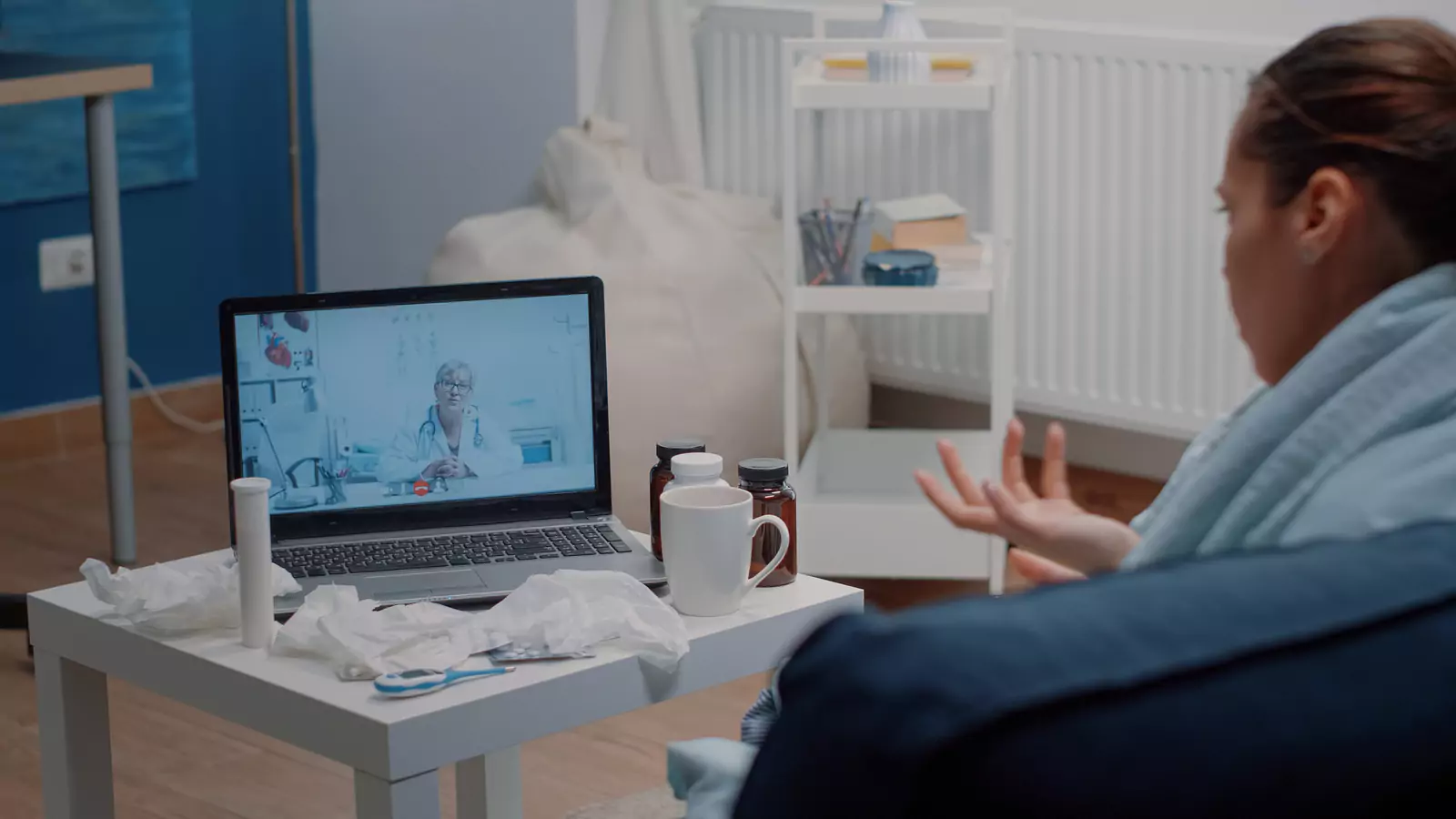







Virtual Visit or In-Person Medical Care?
Learn Which Appointment Better Fits Your Needs
Virtual appointments have made it easier to speak with a healthcare professional without traveling to a clinic. However, virtual care is not the right setting for every symptom.
The safest appointment depends on the severity of the concern, the examination needed, the patient’s medical history, and whether testing or treatment must be completed in person.
Understanding the difference can help you choose an appropriate starting point.
When Virtual Care May Be Helpful
VirtualCare2go may be appropriate for stable, non-life-threatening concerns that can often be evaluated through a conversation and visual assessment.
Examples may include:
-
Mild cold or allergy symptoms
-
Congestion or cough
-
Sore throat
-
Pink eye
-
Minor rashes
-
Uncomplicated urinary symptoms
-
Mild nausea or stomach concerns
-
Constipation or diarrhea without severe dehydration
-
Stable headaches without neurological symptoms
-
General medication questions
This list does not guarantee that online care is appropriate. The healthcare professional may recommend another level of care after reviewing your symptoms.
Learn more about VirtualCare2go online urgent care.
When In-Person Care May Be Better
Some concerns require a hands-on examination, specimen collection, diagnostic testing, imaging, a procedure, or direct monitoring.
In-person care may be necessary when the provider needs to:
-
Listen closely to the heart or lungs
-
Examine the abdomen
-
Evaluate a possible fracture
-
Collect urine, blood, or a swab
-
Treat a deep wound
-
Perform imaging
-
Complete neurological testing
-
Monitor concerning vital signs
-
Administer treatment that cannot be provided remotely
The provider may recommend primary care, urgent care, a laboratory, an imaging center, a specialist, or an emergency department.
Can You Start With a Virtual Appointment?
For an appropriate non-emergency concern, a virtual appointment can sometimes provide a useful first evaluation.
The provider can review symptoms, discuss possible causes, recommend home care, prescribe medication when medically appropriate, or determine that an in-person examination is needed.
Being directed to in-person care does not mean the virtual visit was unsuccessful. Identifying the appropriate next step is part of safe medical care.
How to Prepare for Online Care
Write down when your symptoms began, whether they are improving, and which treatments you have tried. Prepare your medication list, allergies, insurance information, and preferred pharmacy.
If available, take your temperature and other relevant readings before joining.
Use a private room with good lighting and a reliable internet connection. Test the camera and microphone, keep the device steady, and avoid driving during the appointment.
Understand the Limits of Online Prescribing
A virtual appointment does not guarantee medication.
The healthcare professional must determine whether prescribing is appropriate based on the evaluation and applicable requirements. Certain medications or ongoing conditions may require an established primary care relationship, laboratory monitoring, or an in-person examination.
If medication is prescribed, insurance and pharmacy coverage must be verified separately.
Emergency Symptoms Require Immediate Help
Call 911 for:
-
Severe chest pain or pressure
-
Severe difficulty breathing
-
Stroke symptoms
-
Loss of consciousness
-
A seizure
-
Uncontrolled bleeding
-
Severe allergic-reaction symptoms
-
Blue or gray lips
-
Major trauma
-
Sudden confusion or weakness
-
A possible overdose
-
Any rapidly worsening, life-threatening condition
Do not schedule an online appointment and wait when emergency warning signs are present.
Virtual Care Across Texas
VirtualCare2go provides online appointments for eligible patients throughout Texas, including Dallas–Fort Worth, Arlington, Farmers Branch, Brownwood, Houston, Austin, El Paso, and San Antonio.
Appointments are subject to provider availability, clinical appropriateness, and insurance requirements.
Visit VirtualCare2go to request an appropriate appointment or review the frequently asked questions.
Medical disclaimer: This article offers general education and cannot determine which level of care is appropriate for an individual patient. Symptoms and risk levels vary. Call 911 or seek emergency treatment for severe or life-threatening symptoms.