
 ES








Use Virtual Urgent Care as a Triage Hub
Make a respiratory-season visit answer where care should go next.
The Best Outcome May Be a Clearer Destination
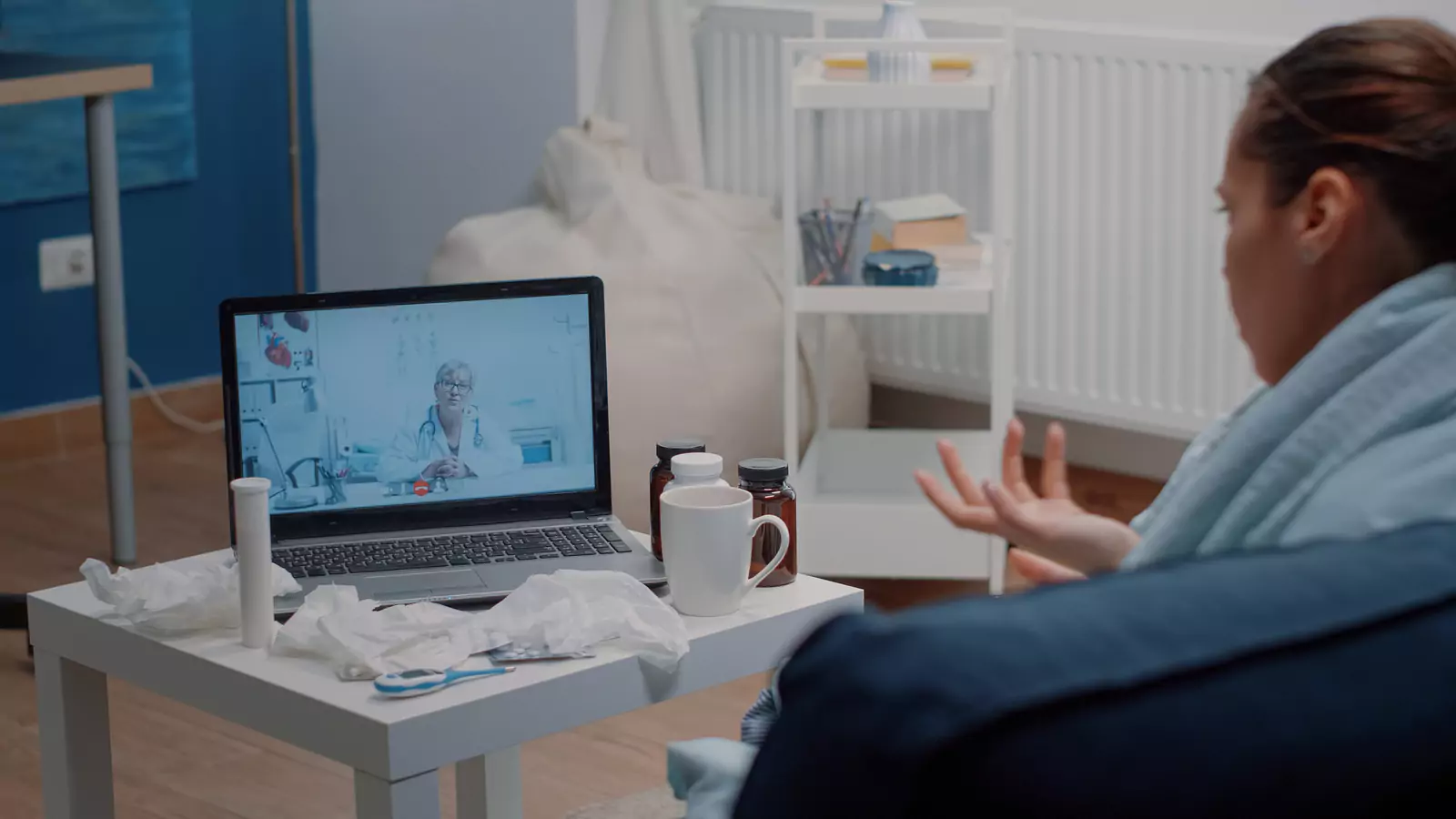
When coughs, fevers, congestion, and sore throats circulate through households, the first question is often not “What is the diagnosis?” It is “What should we do next?” A virtual urgent care visit can act as a triage hub for selected non-life-threatening concerns: a clinician gathers the story, observes what video can show, considers risk factors, and recommends an appropriate care route.
That route may be home care, a test, a prescription when appropriate, primary care follow-up, or an in-person evaluation. The value is not limited to staying home. A prompt redirection can prevent repeated guessing and help the patient arrive at the next setting with a better summary.
VirtualCare2go states that online urgent care is available seven days a week, with same-day consultations subject to availability, for a range of non-emergency concerns. The service page lists cough, fever, flu, sore throat, respiratory problems, nausea, rash, urinary problems, and other issues. A condition appearing on a list does not mean every presentation is suitable for video. Severity and the need for testing or examination still control the decision.
First Route: Emergency Care for Emergency Warning Signs
Do not wait for a screen when a person has severe trouble breathing, persistent chest pain or pressure, blue or gray lips or face, new confusion, inability to wake or stay awake, a seizure, signs of stroke, major bleeding, or another life-threatening symptom. Call 911 or go to the nearest emergency department.
Children, older adults, pregnant people, immunocompromised patients, and people with significant heart, lung, kidney, neurologic, or metabolic conditions may need earlier evaluation. A normal-looking moment on camera cannot erase a concerning history or rapid decline.
If you have a pulse oximeter or other device, do not let one number overrule severe symptoms. Home devices can be inaccurate or misused. Tell the clinician the reading, device, and trend, but act on emergency symptoms.
Second Route: Virtual Assessment for Selected Stable Concerns
Video may be a useful first step when the patient is stable and the main need is history, observation, education, or routing. Examples may include mild respiratory symptoms, a visible rash, certain allergy symptoms, nausea without severe dehydration signs, or questions about symptom management. The clinician decides what can be addressed remotely after hearing the full story.
For respiratory symptoms, prepare a “pattern, pressure, and risk” summary.
Pattern:
- When did symptoms begin?
- Which symptom came first?
- Are they improving, stable, or worsening?
- Is fever present, and how was it measured?
- Are household or workplace contacts ill?
Pressure:
- Is breathing harder at rest or only with activity?
- Is there chest pain, wheezing, or inability to speak normally?
- Can the patient drink and urinate?
- Is sleep disrupted by coughing or breathing?
Risk:
- Age and pregnancy status when relevant
- Asthma, COPD, heart disease, diabetes, or immune suppression
- Current medicines and allergies
- Recent travel, infection, or known exposure
- Vaccination and testing history relevant to the clinician’s assessment
This structure gives the clinician more useful information than a single label such as “cold.”
Third Route: Testing or In-Person Examination
Symptoms of flu, COVID-19, RSV, strep throat, pneumonia, and other illnesses can overlap. Video alone may not identify the cause. A clinician may recommend a test based on symptoms, timing, risk, and local availability. Treatment windows can matter for some infections, especially in higher-risk patients, so contact a clinician early rather than waiting for symptoms to become severe.
An in-person exam may be needed to listen to lungs, inspect an ear or throat more closely, assess hydration, collect a specimen, obtain imaging, or evaluate abnormal vital signs. Ask the virtual clinician to state the purpose of the handoff: “What needs to be measured, tested, or examined that video cannot provide?” That makes the next visit more focused.
Bring or send the virtual summary through an approved channel when possible. Do not assume separate organizations automatically share records.
Prepare the Screen Like a Clinical Tool
Good lighting and stable framing help, but the visit is more than a picture. Federal telehealth guidance recommends testing technology, using a private, quiet place, preparing questions, and keeping medicines and measurements nearby.
For respiratory concerns:
- Sit upright in a well-lit room.
- Keep the camera steady and at face level.
- Do not exercise to demonstrate shortness of breath.
- Have the thermometer and any reliable readings nearby.
- Know the preferred pharmacy and an open testing location if possible.
- Tell the clinician the patient’s physical location.
- Have a callback number ready in case video drops.
For a child, confirm during scheduling that the service is appropriate for the child’s age and that the required parent or guardian will be present. Pediatric symptoms can change quickly, and a lower threshold for hands-on evaluation may be appropriate.
Make Infection Precautions Part of the Route
While deciding on care, reduce the chance of spreading illness. Stay home and away from others when sick as advised by current public-health guidance, improve indoor air when possible, cover coughs, clean hands, and consider a well-fitting mask when around others. People at higher risk for severe illness should contact a healthcare professional promptly when symptoms begin because early testing or treatment may matter.
Do not use symptom improvement as permission to ignore the household. Clean shared high-touch surfaces when appropriate, avoid sharing cups and utensils, and protect people at higher risk.
Current CDC respiratory-virus guidance should guide return-to-activity and added precautions because recommendations can change with evidence and conditions. Ask the clinician how the guidance applies to the patient’s illness, work, school, and risk factors.
If in-person care is recommended, tell the receiving site about respiratory symptoms before arrival and follow its instructions. Virtual care can reduce unnecessary exposure, but it should not become a reason to avoid needed examination.
End With a Route and a Deadline
Before disconnecting, ask the clinician to complete four sentences:
- “For now, the recommended setting is ___.”
- “The next task is ___.”
- “If ___ happens, seek in-person or emergency care.”
- “If not improving by ___, arrange reassessment.”
Confirm prescription, test, or follow-up details. Prescriptions are based on clinical judgment and are not guaranteed. Antibiotics do not treat viruses and should not be expected without an appropriate indication.
Keep payment questions in view without letting them control triage. Before a non-emergency appointment, confirm the current self-pay fee or verify the exact insurance benefit, network, and member cost. Testing, pharmacy, and in-person services may be charged separately. Ask each organization for its current terms and keep the answers with the visit summary.
Start at the Hub When Symptoms Fit
Review VirtualCare2go online urgent care, how virtual visits work, and the FAQ. The service page currently lists a self-pay consultation price of $99.99, seven-day availability, and same-day consultations when available; verify the current price, availability, location requirements, and insurance benefits before scheduling.
Contact VirtualCare2go at 817-508-8169 or email us at info@VirtualCare2Go.com using the published details.
Medical disclaimer: This article is educational and does not provide a diagnosis or replace individualized professional care. Virtual-care suitability depends on symptoms, age, history, location, scheduling, and provider assessment. Call 911 or go to the nearest emergency department for an emergency.