
 ES

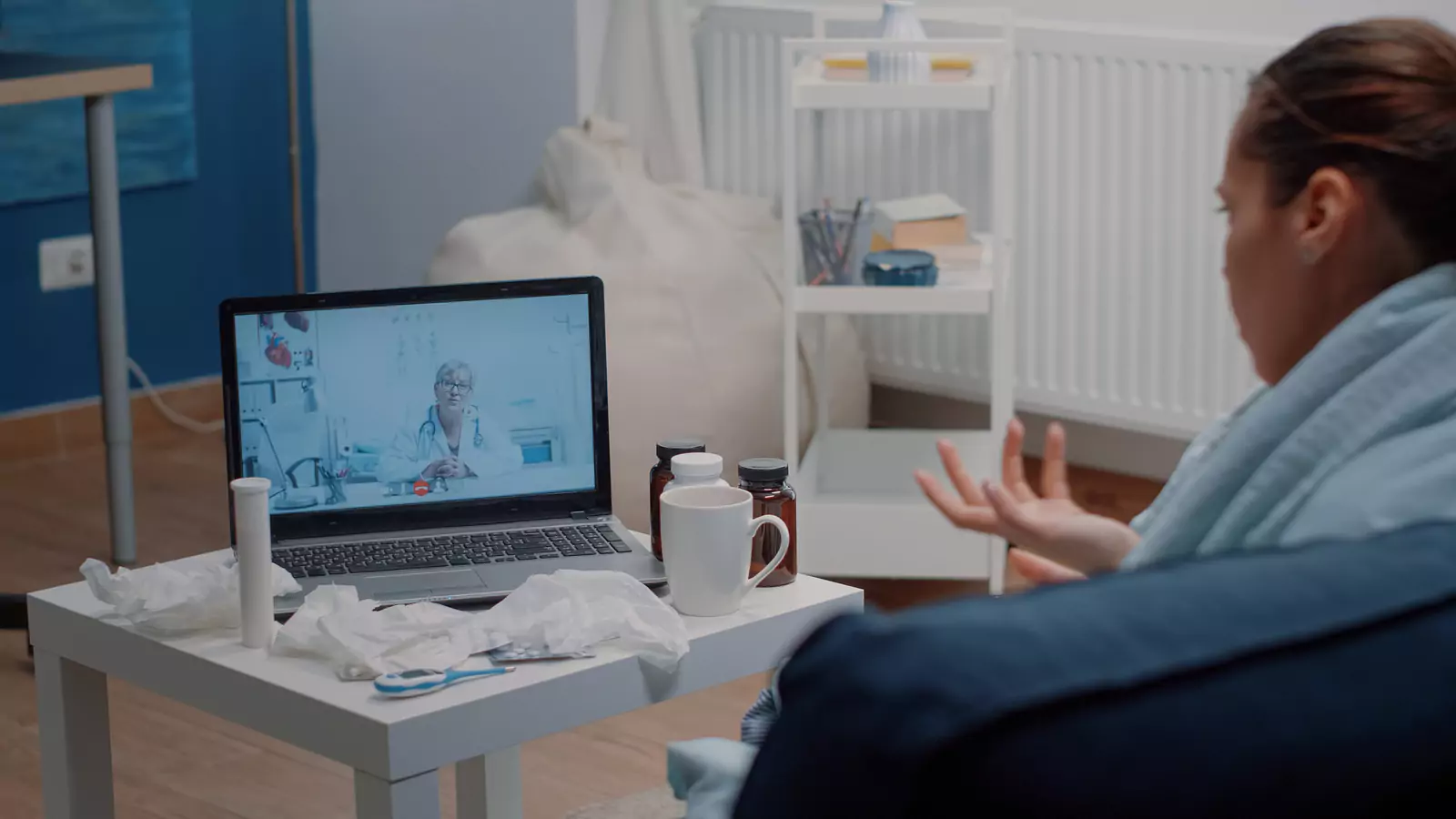







Use Texas Medicaid for Virtual Follow-Up Care
Prepare records, readings, medicines, and questions before connecting.
Make the Next Appointment Answer a Clear Question
A follow-up appointment is not simply a repeat of the first visit. It is where the patient and provider compare what was expected with what actually happened.
Did symptoms improve? Did a new symptom appear? Was a prescribed medicine started? Did side effects occur? Was a test completed? Does the care plan still make sense?
For eligible Texas Medicaid members, a VirtualCare2go appointment may provide a practical way to discuss many follow-up questions without traveling to a clinic. VirtualCare2go currently states that it accepts Texas Medicaid and provides remote consultations for appropriate non-emergency healthcare needs.
Coverage is not identical across every Texas Medicaid program or managed-care plan. Eligibility, provider participation, covered services, visit format, referrals, authorizations, and patient responsibility depend on the individual plan and appointment.
The clinical question matters just as much as the benefit question. Some follow-ups work well through video. Others require an in-person examination, specimen, imaging study, procedure, or emergency evaluation.
Start With the Event That Created the Follow-Up
Write one sentence explaining why the follow-up exists.
Examples include:
- “I started the prescribed medicine four days ago and need to discuss side effects.”
- “My fever improved, but the cough is lasting longer than expected.”
- “I received a laboratory result and need to understand the next step.”
- “I was asked to recheck my home blood-pressure readings.”
- “The symptoms are different from those discussed during the first visit.”
- “I went to urgent care and need help understanding the discharge plan.”
This statement gives the visit a center. It helps the provider distinguish a follow-up from a new and unrelated medical concern.
If the follow-up began with an emergency department, hospital, urgent care, specialist, or another telehealth visit, gather the most useful records. A discharge summary, medication change, test result, or written follow-up instruction may be more helpful than trying to remember every detail.
Use only the secure document method provided by the healthcare team.
Build a Short Health Timeline
Dates and changes are easier to interpret than a statement such as “I still feel bad.”
Include:
- Date symptoms began
- Date of the original visit
- Initial symptoms
- When treatment or medication started
- The best day or worst day
- New symptoms
- Missed doses
- Problems obtaining medicine
- Home measurements
- The main question for today
Keep the timeline visible during the video appointment. The provider will ask follow-up questions, so it does not need to anticipate everything.
For a rash, swelling, wound, or other visible concern, ask whether the provider wants photos and which secure channel to use. A photo should not delay care for severe symptoms, rapid progression, facial or tongue swelling, breathing difficulty, extensive blistering, or another urgent warning sign.
Prepare Home Measurements With Context
A thermometer, blood-pressure cuff, glucose meter, scale, or pulse oximeter may provide useful context when the device is appropriate and used correctly.
Record:
- Measurement
- Date
- Time
- Device
- Circumstances
- Whether the reading was repeated
- Symptoms occurring at the time
- Usual range, if known
For example, note whether a blood-pressure reading was taken after sitting quietly or immediately after activity.
Do not change medicine or delay care based only on a consumer device unless a qualified clinician has provided a specific action plan. Home devices can fit poorly, be used incorrectly, or produce misleading results.
A reading is one part of the assessment. It is not automatically a diagnosis.
Reconcile Every Medicine
Medication follow-up becomes difficult when the provider sees only part of the list.
Include:
- Prescription medicines
- Over-the-counter products
- Vitamins
- Supplements
- Inhalers
- Creams
- Drops
- Injections
- Medicines used only as needed
- Recently stopped medicines
- Allergies and previous reactions
Record the dose and frequency when known. Explain what changed after the previous appointment and whether doses were missed.
Keep the actual containers nearby for your reference, but do not display private label information unnecessarily on camera.
A refill is never automatic. The provider must consider the medicine, diagnosis, monitoring needs, prior records, current symptoms, applicable requirements, and whether a virtual assessment is clinically sufficient.
Some medicines require laboratory monitoring or an in-person examination. A telehealth visit can clarify the next step even when a refill cannot be completed online.
Verify the Exact Texas Medicaid Plan
“Texas Medicaid” can refer to different programs and managed-care arrangements.
Before connecting, verify:
- Active eligibility
- Exact plan name
- Provider participation
- Coverage for the intended telehealth service
- Whether video is required
- Referral requirements
- Prior-authorization requirements
- Possible copay or other responsibility
- Separate laboratory benefits
- Pharmacy coverage
- Coverage for in-person follow-up
Coverage for the video appointment does not automatically establish coverage for prescriptions, laboratory testing, imaging, specialist referrals, or another visit.
Keep the representative’s name, date, and reference number when possible. Never delay emergency care while verifying benefits.
The VirtualCare2go Texas Medicaid page is the appropriate brand-specific starting point.
Set Up the Technology Around the Visit
Federal telehealth preparation guidance recommends knowing the cost, checking visit details, requesting accessibility support, choosing a quiet location, and testing the device and internet connection.
Prepare a private, well-lit space. Place the camera at eye level and keep the device stable. Close applications that may slow the connection. Test the camera, microphone, speakers, and headphones.
Keep these items nearby:
- Identification
- Medicaid plan information
- Symptom timeline
- Medication list
- Allergies
- Relevant records
- Home measurements
- Pharmacy details
- Paper and pen
- Charger
- Reconnection instructions
Do not attend while driving, walking through traffic, or operating equipment.
Patients should be ready to confirm their identity and physical location in Texas. Provider licensure and service availability depend on where the patient is located at the time of care.
Understand What Video Cannot Replace
A provider may need to listen to the heart or lungs, examine the inside of an ear, feel the abdomen, perform detailed neurologic testing, collect a specimen, order imaging, or evaluate an injury directly.
Telehealth cannot reproduce every part of an in-person examination.
A provider may recommend:
- In-person primary care
- An urgent care center
- Laboratory testing
- Imaging
- Specialist evaluation
- Emergency care
That recommendation is a clinically useful result, not a failed virtual visit.
Call 911 for severe chest pain, significant breathing difficulty, signs of stroke, loss of consciousness, uncontrolled bleeding, a severe allergic reaction, or another potentially life-threatening emergency. Do not wait in a virtual appointment queue.
End With a Written Next-Step Plan
Before leaving the appointment, confirm:
- Working assessment
- Important uncertainty
- Medication instructions
- Tests or referrals
- Home monitoring
- Expected improvement
- Follow-up interval
- Result owner
- In-person backup route
- Emergency warning signs
Repeat the plan in your own words. You should know what you will do, what the care team will do, and which change would alter the plan.
Frequently Asked Questions
Does VirtualCare2go accept Texas Medicaid?
VirtualCare2go currently states that it accepts Texas Medicaid. Individual eligibility, plan participation, service coverage, and costs require verification.
Can Texas Medicaid cover a virtual follow-up?
Eligible services may be covered, depending on the member’s plan, provider participation, visit type, and applicable requirements.
Must I be physically located in Texas?
Patients should be prepared to confirm their physical location. VirtualCare2go provides Texas telehealth, and provider availability depends on patient location.
Can a provider refill medicine during the visit?
A refill may be considered when medically appropriate, but it is never guaranteed. Records, monitoring, applicable rules, and an in-person examination may be required.
What if video follow-up is not enough?
The provider may recommend testing, an in-person examination, urgent care, specialty care, or emergency evaluation.
Call to Action
Review the VirtualCare2go Texas Medicaid page, gather the records and measurements connected to your follow-up, verify the exact managed-care plan, and check current Texas appointment availability.
Medical Disclaimer: This article is educational and is not a diagnosis, individualized medical advice, an insurance determination, or a substitute for professional care. Virtual-visit suitability, services, prescribing, coverage, and costs depend on the patient, location, scheduling, plan terms, eligibility, and provider assessment. Call 911 or go to the nearest emergency department for an emergency.