
 ES

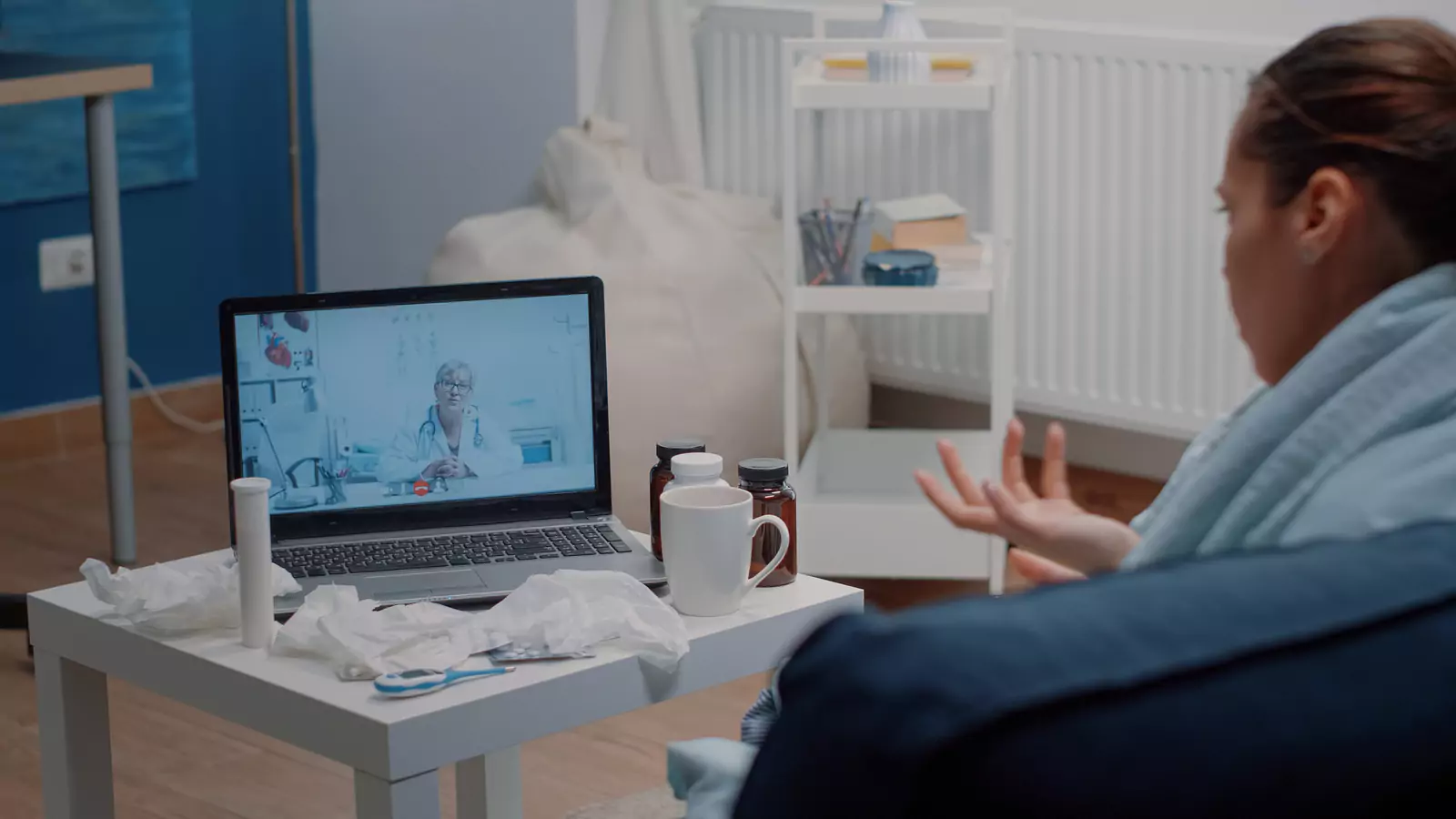







Understanding Aetna Better Health CHIP Virtual Visits
A Helpful Guide for Parents and Caregivers
When your child isn't feeling well, you want answers you can trust.
A fever before school, an unexpected rash, or a cough that seems to be getting worse can quickly change your family's plans.
As a parent or caregiver, you may find yourself wondering whether your child needs to see a doctor right away, whether the symptoms can be monitored at home, or whether an in-person examination is necessary.
Finding the right care can feel especially challenging when you're balancing work, school, transportation, and other family responsibilities.
For some children enrolled in Aetna Better Health – CHIP, telehealth may offer a convenient way to speak with a healthcare professional about certain non-emergency concerns.
At VirtualCare2go, we believe parents should feel informed and comfortable asking questions about their child's health.
Understanding what virtual care can and cannot do is an important first step.
1. What Is Aetna Better Health – CHIP?
The Children's Health Insurance Program, commonly called CHIP, provides health coverage to eligible children whose families meet program requirements.
CHIP benefits and participating health plans vary by state and service area.
Aetna Better Health – CHIP is one of the plan names listed in VirtualCare2go's Aetna insurance information.
However, seeing a plan listed does not automatically confirm that every child enrolled in that plan can receive every service through VirtualCare2go.
Before scheduling, families should verify their child's exact plan, eligibility, provider network, and telehealth benefits.
What parents should confirm
Contact the insurance plan using the number on the child's insurance card and ask:
-
Is my child's Aetna Better Health – CHIP coverage currently active?
-
Is VirtualCare2go's treating and billing provider in-network for this plan?
-
Is the type of virtual appointment my child needs covered?
-
Does the plan require a referral, authorization, or other step?
-
Are there any applicable costs for the appointment or additional testing?
CHIP coverage rules may differ from those of a parent's employer-sponsored insurance plan.
It is important to check the child's benefits specifically rather than assuming that the family's other insurance arrangements apply.
2. When Might a Virtual Visit Be Helpful for a Child?
Children can develop symptoms unexpectedly, and not every concern requires the same level of medical attention.
Depending on the child's age, symptoms, medical history, and the provider's assessment, telehealth may be appropriate for certain non-emergency concerns.
Examples include:
Mild cold-like symptoms
A child with a runny nose, congestion, or mild cough may be a candidate for virtual evaluation if there are no concerning symptoms.
The provider can discuss symptom duration, hydration, breathing, fever history, and other relevant details.
Some children will still need an in-person examination or testing.
Certain skin concerns
A rash or localized skin irritation may sometimes be discussed through video.
A provider may ask when the rash appeared, whether it is spreading, and whether it is associated with fever, pain, swelling, or other symptoms.
Because photos and video cannot replace every physical examination, an in-person visit may be recommended.
Allergy-related questions
Parents may seek guidance about seasonal allergy symptoms, such as sneezing, watery eyes, or nasal congestion.
A clinician can review the child's symptoms and relevant medical history to help determine whether further evaluation is needed.
Follow-up questions
Sometimes parents have questions after a recent medical visit.
For certain concerns, telehealth may provide an opportunity to review symptoms, discuss instructions, or determine whether another examination is necessary.
The right setting for care depends on the child, not simply on whether a virtual appointment is available.
3. When Should a Child Be Seen in Person?
One of the most important parts of pediatric telehealth is recognizing its limitations.
Children may not always be able to explain exactly what hurts or how they feel.
Some conditions require a clinician to listen to the heart or lungs, examine the ears or throat, assess hydration, or perform testing.
An in-person evaluation may be necessary for concerns such as:
-
Ear pain that requires examination of the eardrum.
-
A sore throat that may require testing.
-
Persistent or worsening fever.
-
Significant abdominal pain.
-
Possible dehydration.
-
Symptoms that cannot be adequately assessed through video.
For infants, especially very young babies, a fever or change in feeding or behavior may require prompt in-person medical assessment.
A baby younger than three months with a temperature of 100.4°F (38°C) or higher needs immediate medical evaluation.
Know the emergency warning signs
Seek emergency care for severe breathing difficulty, blue or gray lips, unresponsiveness, a seizure with concerning features, severe dehydration, or other potentially life-threatening symptoms.
Call 911 when emergency assistance is needed.
Telehealth is not a substitute for emergency medical care.
4. How Parents Can Prepare for a Child's Telehealth Appointment
A virtual visit often goes more smoothly when a parent or legal guardian prepares a few details in advance.
You do not need an extensive medical record. The goal is to help the healthcare professional understand your child's symptoms and history.
Keep important information nearby
Before the appointment, gather:
-
Your child's Aetna Better Health – CHIP insurance card.
-
Your child's age and current weight, if known.
-
A list of medications, including recent over-the-counter medicines.
-
Known allergies.
-
Relevant medical conditions.
-
Recent temperature readings, if available.
-
The name and location of your preferred pharmacy.
For children taking medication, accurate weight and dosing information can be particularly important.
Never estimate or change a child's medication dose without appropriate guidance from a healthcare professional.
Make a short symptom timeline
Try to answer three questions:
When did the symptoms begin?
For example, did the cough start yesterday or has it been present for a week?
What has changed?
Has the fever increased? Is the child drinking less? Is the rash spreading?
How is your child behaving?
Are they playing normally, unusually tired, eating less, or having trouble sleeping?
These observations can provide valuable context during the appointment.
Find a comfortable, private location
Choose a quiet place where your child can sit with you.
Have a working camera and microphone, and make sure the internet connection is stable.
Depending on the child's age and comfort level, it may help to explain the appointment beforehand.
You might say:
“We're going to talk to a healthcare professional on the computer so we can explain how you're feeling.”
Keeping the explanation simple may help reduce anxiety.
5. What Happens During a Pediatric Virtual Visit?
A pediatric telehealth appointment generally begins with a discussion of the child's symptoms and medical history.
The provider may ask the parent or caregiver questions, speak directly with the child when appropriate, or request a visual assessment through the camera.
For example, the clinician may ask the child to describe where something hurts or may observe their general appearance and breathing.
However, what can be evaluated remotely depends on the situation.
A parent or guardian may need to participate
For minors, consent and caregiver participation requirements depend on applicable law, the child's age, the service being provided, and the clinical circumstances.
Parents or legal guardians should be prepared to participate and provide required information or consent.
Older children and teenagers may also have privacy rights for certain healthcare services under applicable law.
If you are unsure about participation or confidentiality requirements, ask the scheduling team before the appointment.
Help your child feel included
When appropriate, let your child answer simple questions in their own words.
For example:
“Can you tell the provider where your throat hurts?”
This may help the healthcare professional better understand the concern while giving the child an opportunity to participate.
Parents should still provide important details the child may not remember or understand.
6. Will My Child Need a Prescription or Testing?
Not every illness requires medication.
During a virtual appointment, a provider may recommend supportive care, monitoring, further testing, medication, or an in-person evaluation based on clinical findings.
A prescription is never guaranteed simply because an appointment has been scheduled.
For example, antibiotics are not appropriate for most viral colds and should only be used when clinically indicated.
If testing is recommended, ask whether the test must be completed at a specific facility and whether that facility participates in your child's insurance network.
The cost and coverage of laboratory tests, imaging, or other services may differ from those of the virtual appointment.
Questions to ask before ending the visit
It may help to ask:
-
What symptoms should I monitor at home?
-
When should my child start feeling better?
-
Does my child need testing or an in-person examination?
-
Are there any activities my child should avoid while recovering?
-
When should I contact a healthcare professional again?
If your child attends school or daycare, you may also want to ask about return-to-school guidance.
School notes, when clinically appropriate, are subject to provider judgment and the organization's policies. Schools may have their own attendance and illness requirements.
7. What About Follow-Up Care?
Children's symptoms can change quickly.
Even when a virtual appointment is appropriate initially, another evaluation may be necessary if symptoms persist, worsen, or change.
Follow the provider's instructions and pay attention to any warning signs discussed during the visit.
If your child has an established pediatrician, keeping that clinician informed can support continuity of care.
This is especially important for children with asthma, diabetes, complex medical conditions, or ongoing treatment needs.
Telehealth may be one part of your child's healthcare, but it does not replace routine well-child visits, vaccinations, developmental screenings, or examinations that require hands-on assessment.
8. How to Check Your Child's Coverage Before Scheduling
Before making an appointment, take a few minutes to confirm the insurance details.
Start by reviewing VirtualCare2go's Aetna insurance page, which lists Aetna Better Health – CHIP.
Then contact your child's insurance plan to verify active coverage, network participation, and any requirements for the intended service.
It may also help to ask whether the treating provider's billing entity is recognized as participating in the plan.
If your child's coverage is confirmed and a virtual appointment is appropriate, you can visit the VirtualCare2go scheduling page to check availability.
VirtualCare2go serves patients in Texas, subject to provider availability, licensing requirements, and the clinical suitability of the visit.
9. Helping Families Feel More Confident About Care
When your child is sick, the most important thing is getting appropriate medical guidance.
Sometimes that means a virtual conversation with a healthcare professional. Other times, it means visiting a clinic, arranging testing, or seeking emergency attention.
For families with Aetna Better Health – CHIP, understanding coverage and knowing how to prepare can make the process feel less overwhelming.
You do not need to have every answer before the appointment.
You simply need to share what you are noticing, ask questions, and understand the next steps.
Your child's health deserves thoughtful care, whether the conversation begins online or in person.
Learn more about VirtualCare2go and the services available to Texas families.
Clinical Review Recommended Before Publication: Verify current Aetna Better Health – CHIP participation, applicable Texas CHIP plan and service-area requirements, pediatric age eligibility, guardian consent policies, billing entity participation, and availability of pediatric telehealth appointments.
Medical Disclaimer: This article provides general educational information and is not a substitute for individualized medical advice. Pediatric telehealth suitability depends on the child's age, symptoms, medical history, and clinical assessment. Insurance eligibility, coverage, and provider network participation must be confirmed for the child's specific plan.