
 ES

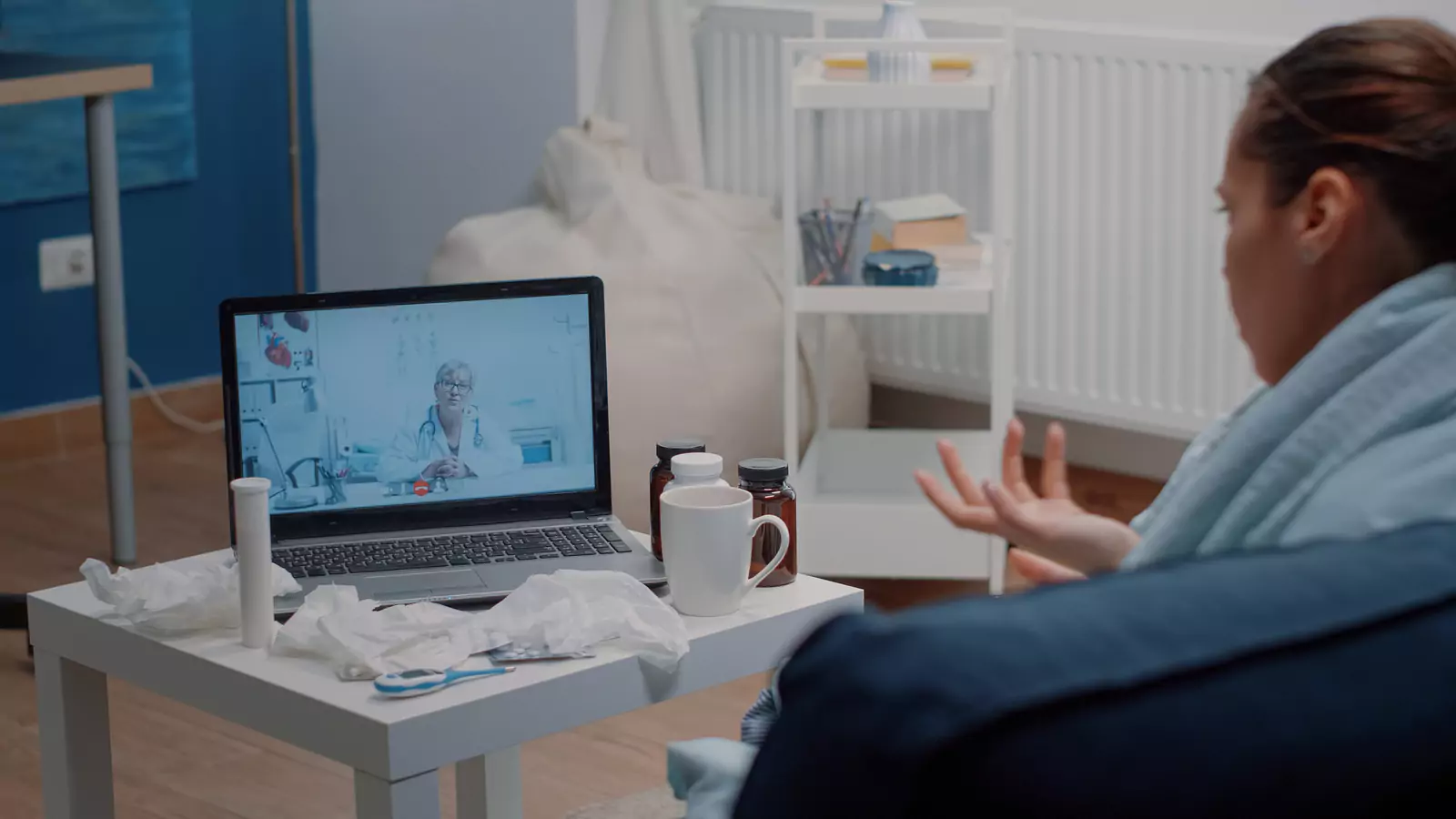







Prepare Curative Telehealth for Medication Decisions
A complete medicine list, allergy history, pharmacy plan, and benefit check can make a virtual visit safer and more useful.
The medication conversation starts before the video opens
A virtual visit can be useful for discussing symptoms, reviewing medicines, evaluating side effects, or deciding whether in-person care is needed. The quality of that conversation depends on the information available.
An incomplete medication list can hide interactions, duplicate treatment, recent changes, or an important reason for the patient’s symptoms. A vague allergy label may make a useful medicine appear unavailable. An incorrect pharmacy can delay treatment.
VirtualCare2go publishes information for patients with Curative insurance. Acceptance does not guarantee coverage for every member, service, medicine, test, or follow-up visit. Curative eligibility, network status, authorization requirements, formularies, and patient costs depend on the member’s plan.
Build one complete medication list
Include everything the patient currently uses:
- Prescription medicines
- Over-the-counter medicines
- Vitamins
- Minerals
- Herbal products
- Protein or performance supplements
- Inhalers
- Creams and ointments
- Eye or ear drops
- Injections
- As-needed medicines
- Recently stopped medicines
- Short courses completed recently
For each item, record:
- Exact name
- Strength
- Dose
- Frequency
- Reason for taking it
- Prescribing clinician
- When it was started
- Last dose
- Side effects or concerns
The FDA recommends maintaining an updated medication list and sharing it with healthcare professionals. Its medication-list guidance offers a helpful framework.
If the patient does not know a medicine’s name, keep the original container available. Do not combine pills in an unlabeled container for the appointment.
Compare the list with what is actually happening
A written list may differ from what the patient takes.
Ask:
- Have any doses been skipped?
- Has the patient taken more than directed?
- Was a medicine stopped without notifying the prescriber?
- Was an old prescription restarted?
- Is the patient using someone else’s medicine?
- Did cost or pharmacy availability interrupt treatment?
- Did another clinician change the plan?
- Is the patient taking two products with the same ingredient?
Be honest. The purpose is not to judge adherence. The clinician needs an accurate picture to make a safer decision.
Mention recent antibiotics, steroids, sleep products, cold medicines, pain relievers, and supplements. These may be relevant even when the patient no longer takes them.
Describe allergies as events
An allergy list should explain what happened.
Instead of writing only “penicillin allergy,” include information such as:
- Approximate date
- Medicine involved
- Symptoms
- How soon the reaction began
- Whether emergency treatment was required
- Whether the patient has tolerated related medicines
- Whether the reaction was a side effect rather than an allergy
Nausea, drowsiness, and diarrhea may be side effects rather than immune-mediated allergies, but they can still matter. A clinician should interpret the history.
Do not intentionally retry a medicine associated with a serious reaction without appropriate medical guidance.
Make the symptom timeline medication-aware
Some symptoms may be related to a medicine, an interaction, the underlying condition, or something unrelated.
Record:
- When the symptom began
- When each relevant medicine began
- Recent dose changes
- Missed doses
- New over-the-counter products
- New supplements
- Alcohol or substance exposure when relevant
- Whether symptoms change after a dose
- Previous reactions
- Pregnancy or breastfeeding status when relevant
Examples include dizziness after a dose change, rash after a new medicine, stomach symptoms after an antibiotic, or breathing symptoms despite an inhaler.
These patterns do not prove a cause, but they help the clinician decide what needs attention.
Understand telehealth prescribing limits
A virtual appointment does not guarantee a prescription, refill, antibiotic, controlled medicine, or particular treatment.
The clinician must consider:
- The patient’s identity and location
- Symptoms and severity
- Medical history
- Medication history
- Allergies
- Available examination information
- Need for vital signs or testing
- Applicable prescribing rules
- Whether hands-on care is necessary
A medication may be inappropriate without laboratory monitoring, pregnancy testing, an in-person examination, or review of previous records.
The clinician may recommend urgent care, primary care, laboratory testing, or an emergency department instead of prescribing through video.
Review VirtualCare2go’s FAQ and virtual urgent care information before the appointment.
Prepare a precise pharmacy handoff
Confirm the preferred pharmacy before the visit.
Record:
- Pharmacy name
- Complete address
- Telephone number
- Hours
- Curative network participation
- Delivery availability
- Whether the pharmacy has recently changed
Ask what to do if:
- The medicine is unavailable
- The plan requires an alternative
- Prior authorization is required
- The pharmacy does not receive the prescription
- The patient cannot afford the expected cost
- The prescribed form or dose is not stocked
Do not substitute a medicine without confirmation from an appropriate clinician or pharmacist.
Separate clinical approval from Curative coverage
A clinician’s decision that a medicine is appropriate does not guarantee Curative coverage. Curative’s formulary decision also does not determine whether a medicine is clinically appropriate.
Ask Curative:
- Is VirtualCare2go in network for my plan?
- Is this virtual visit covered?
- What cost sharing applies?
- Are medication reviews treated differently from urgent care?
- Is the preferred pharmacy in network?
- Does the plan use a formulary?
- Could prior authorization or step therapy apply?
- Are laboratory services processed separately?
- What happens if in-person follow-up is needed?
- Can I receive a verification reference number?
Start with the VirtualCare2go Curative page, then confirm current terms directly with the plan.
Keep the clinical instructions separate from benefits notes. Do not stop a medicine merely because a claim or authorization is delayed without first obtaining medical guidance.
Close the visit with teach-back
Before leaving the video appointment, explain the plan back in your own words.
Confirm:
- Which medicines continue
- Which medicines change
- Exact dose and timing
- When the change begins
- Major precautions
- Whether food or driving instructions apply
- Whether laboratory monitoring is needed
- Who sends the prescription
- Which pharmacy receives it
- When improvement should be expected
- Which symptoms require follow-up
- Which symptoms require emergency care
Ask for written instructions when available.
If a medicine is stopped, confirm whether it should be stopped immediately or reduced gradually. Some medicines can cause harm when discontinued abruptly.
Bring a complete record to the screen
An organized medication review helps the clinician distinguish current treatment from old records, identify potential interactions, and create a practical pharmacy handoff.
Review the VirtualCare2go Curative information, verify current benefits directly with Curative, and prepare the medicine, allergy, symptom, and pharmacy information before joining.
Virtual prescribing depends on the patient, condition, location, available information, applicable requirements, and clinician judgment.
Medical disclaimer: This article is educational and is not a diagnosis, prescription, or substitute for professional care. Medication and telehealth suitability depend on the patient, condition, history, location, applicable rules, and clinician judgment. Coverage and costs depend on Curative plan terms and eligibility. Call 911 or go to the nearest emergency department for an emergency.