
 ES
ES








Can Heat Exhaustion Sneak Up on You?
Know the Early Warning Signs
Can Heat Exhaustion Sneak Up on You?
Texas summers are known for intense heat, high humidity, and long days outdoors. Whether you're mowing the lawn, coaching a youth sports team, working outside, enjoying a weekend hike, or attending a community event, it's easy to lose more fluids than you realize. Heat exhaustion often develops gradually, making it possible to overlook the early signs until you suddenly feel unwell.
Unlike heat stroke, which is a medical emergency, heat exhaustion is an earlier stage of heat-related illness. Recognizing symptoms early, cooling down, and replacing fluids may help prevent your condition from worsening. However, if symptoms become severe or don't improve, prompt medical evaluation is important.
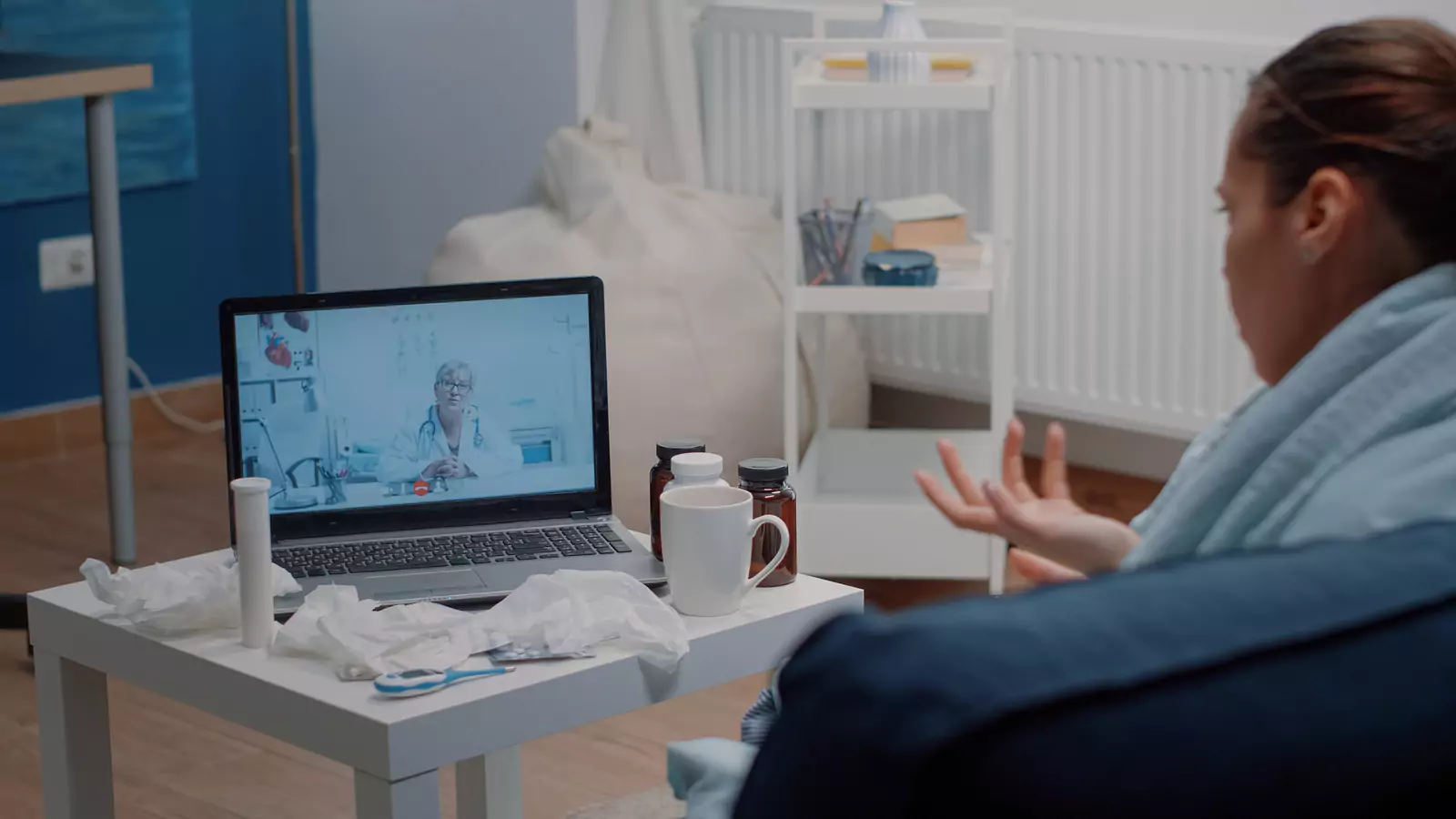
VirtualCare2Go offers convenient telehealth appointments with licensed Texas healthcare providers who can evaluate mild heat-related symptoms, discuss your recent activities, review your medical history, and recommend the most appropriate next steps.
Call 911 immediately if you or someone else has a body temperature of 103°F (39.4°C) or higher, becomes confused, loses consciousness, has seizures, or shows signs of heat stroke. Heat stroke is a life-threatening emergency and should never be managed solely through telehealth.
What Is Heat Exhaustion?
Heat exhaustion occurs when your body struggles to cool itself after prolonged exposure to heat, particularly when accompanied by significant fluid and electrolyte loss through sweating.
Normally, sweating helps regulate body temperature. During prolonged heat exposure or vigorous activity, however, excessive sweating can lead to dehydration and make it more difficult for your body to cool itself efficiently.
Without appropriate cooling and hydration, heat exhaustion may progress to heat stroke, which requires emergency treatment.
Who Is Most at Risk?
Anyone can develop heat exhaustion, but some people are at greater risk, including:
- Outdoor workers
- Construction and landscaping professionals
- Athletes
- Children participating in outdoor activities
- Older adults
- Pregnant individuals
- People with chronic medical conditions
- Individuals taking certain medications that affect hydration or sweating
- Anyone spending extended time outdoors during hot or humid weather
Even healthy adults can develop heat exhaustion if they are physically active in extreme heat without adequate hydration or rest breaks.
Common Symptoms
Heat exhaustion symptoms often develop gradually and may include:
- Heavy sweating
- Excessive thirst
- Fatigue
- Weakness
- Dizziness or lightheadedness
- Headache
- Muscle cramps
- Nausea
- Cool, pale, or clammy skin
- Rapid pulse
- Feeling faint
These symptoms should never be ignored, especially if they continue after moving to a cooler environment.
What Should You Do If You Think You Have Heat Exhaustion?
If you begin experiencing symptoms, take action as soon as possible:
- Move to a cool or air-conditioned location.
- Sit or lie down and rest.
- Drink cool water or an electrolyte-containing beverage if you're able.
- Loosen or remove excess clothing.
- Apply cool, wet towels to your skin or use a fan.
- Avoid returning to strenuous activity until you've recovered.
If symptoms worsen, don't improve within about an hour despite cooling measures, or you cannot keep fluids down, seek medical care promptly.
How Can You Help Prevent Heat Exhaustion?
Simple preventive habits can significantly reduce your risk:
- Drink fluids before, during, and after outdoor activities.
- Take frequent breaks in the shade or indoors.
- Wear lightweight, light-colored clothing.
- Schedule strenuous activities during the cooler parts of the day whenever possible.
- Wear a wide-brimmed hat and sunscreen when outdoors.
- Never leave children or pets in parked vehicles.
- Pay attention to local heat advisories.
Remember that thirst alone isn't always the earliest sign of dehydration. Regular hydration throughout the day is especially important during periods of extreme heat.
When Should You Schedule a Virtual Visit?
A telehealth appointment may be appropriate if:
- You're feeling better after cooling down but still have lingering fatigue or mild dizziness.
- You have questions about recovering safely.
- Mild symptoms continue despite resting and drinking fluids.
- You're unsure whether your symptoms are related to heat exposure or another condition.
- You'd like guidance before returning to work, sports, or outdoor activities.
During your VirtualCare2Go appointment, your provider may ask about:
- Recent outdoor activities
- Heat exposure
- Fluid intake
- Medications
- Existing medical conditions
- Your current symptoms
- Whether you've experienced similar episodes before
Depending on your evaluation, your provider may recommend supportive care, home monitoring, or an in-person evaluation if additional testing is needed.
When Should You Seek Emergency Medical Care?
Seek emergency care immediately if you experience:
- A body temperature of 103°F (39.4°C) or higher
- Confusion or unusual behavior
- Loss of consciousness
- Seizures
- Difficulty breathing
- Persistent vomiting
- Severe weakness that prevents walking
- Symptoms that continue to worsen despite cooling measures
These may be signs of heat stroke or another medical emergency and require immediate treatment.
Frequently Asked Questions
Can heat exhaustion happen even if I'm drinking water?
Yes. During prolonged activity, your body also loses electrolytes through sweat. Factors such as humidity, intense physical exertion, and certain medical conditions or medications can increase your risk even if you're drinking water.
How long does recovery usually take?
Many people begin feeling better within several hours after cooling down and replacing fluids. Recovery time varies depending on the severity of symptoms, overall health, and how quickly treatment begins.
Can children develop heat exhaustion?
Yes. Children are more sensitive to heat than adults and may not recognize early symptoms. Ensure they take regular water breaks, wear appropriate clothing, and spend time in shaded or air-conditioned areas during hot weather.
Should I exercise if I've recently had heat exhaustion?
Wait until your symptoms have completely resolved and follow your healthcare provider's guidance before returning to strenuous activity. Returning too soon may increase your risk of another heat-related illness.
Convenient Virtual Care Throughout Texas
Hot Texas weather can take a toll on your body, but you don't have to manage lingering heat-related symptoms alone. VirtualCare2Go makes it easy to connect with a licensed Texas healthcare provider from the comfort of your home, office, or wherever you are in Texas.
Patients must be physically located in Texas during their appointment.
Schedule Your Virtual Visit
If you're recovering from mild heat-related symptoms or have questions about your recovery, we're here to help. Book your virtual visit today: https://virtualcare2go.com/