
 ES
ES








Why Is My Ankle Swollen Without an Injury?
Virtual Care for Unexplained Ankle Swelling
Why Is My Ankle Swollen Without an Injury?
You look down at the end of the day and notice something unusual.
One ankle looks puffy.
Maybe both ankles seem larger than they did that morning. Your shoes feel tighter, your socks have left deeper marks around your legs, or the skin around your ankle looks stretched.
But you didn't twist your ankle.
You didn't fall.
You don't remember injuring it at all.
So why is it swollen?
Swelling caused by excess fluid collecting in tissues is often called edema. It can occur in the ankles, feet, or lower legs for many different reasons.
Sometimes ankle swelling develops after spending a long day standing or sitting. Hot weather can contribute. Certain medications may also cause swelling.
In other cases, unexplained swelling can be associated with circulation problems, infection, blood clots, or medical conditions involving the heart, kidneys, liver, or other systems.
One of the most important clues is whether the swelling affects one ankle or both and what other symptoms occur with it.
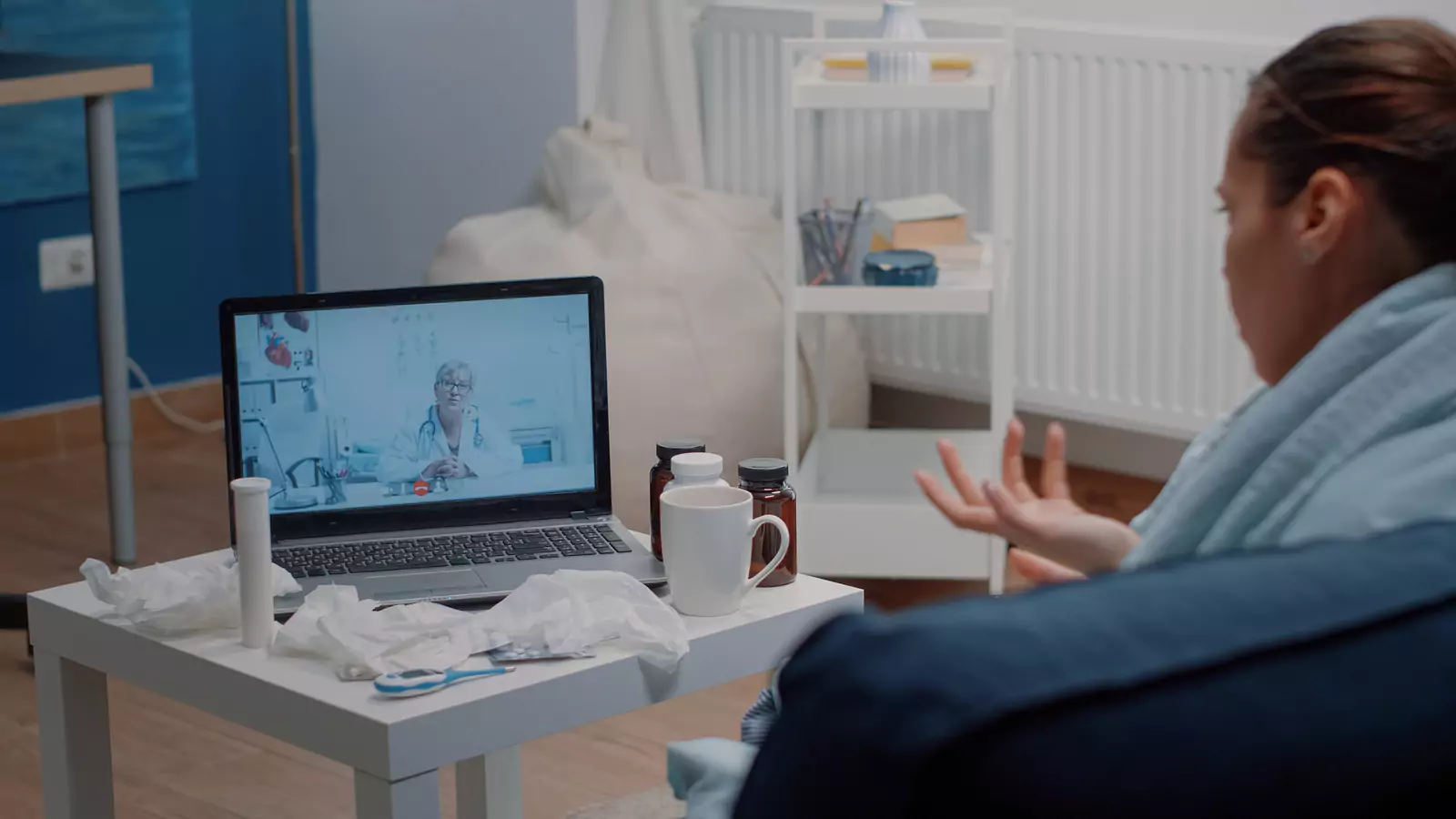
VirtualCare2Go offers convenient telehealth appointments with licensed healthcare providers for patients located throughout Texas. For appropriate non-emergency swelling, a provider can review your symptoms, medications, medical history, and possible triggers and help determine whether supportive care, testing, or an in-person evaluation may be appropriate.
New significant swelling in one leg—especially with calf pain, warmth, redness, or tenderness—requires prompt medical evaluation. Call 911 if leg swelling occurs with chest pain, sudden shortness of breath, fainting, coughing up blood, or other potentially life-threatening symptoms.
What Does Ankle Swelling Look Like?
Ankle swelling isn't always dramatic.
You may notice:
- Puffiness around the ankle
- Swelling in the foot
- Tight shoes
- Deep sock marks
- Skin that looks stretched
- One ankle appearing larger than the other
- Both ankles becoming swollen by evening
- Heaviness or tightness in the lower legs
Some swelling is soft, while other swelling may feel firmer.
If you press gently on the swollen area and an indentation remains temporarily, this is sometimes called pitting edema.
Tell your healthcare provider whether the swelling is mild or significant and whether it changes throughout the day.
Is One Ankle Swollen or Both?
This distinction matters.
Swelling affecting both ankles may suggest a different group of possible causes than swelling that suddenly affects only one leg or ankle.
When both ankles are swollen, possible contributors can include:
- Prolonged standing
- Prolonged sitting
- Heat
- Certain medications
- Fluid retention
- Some medical conditions
One-sided swelling may sometimes be related to:
- An unnoticed injury
- Infection
- Inflammation
- Circulation problems
- A blood clot
- Other localized conditions
This doesn't mean that every swollen ankle represents something dangerous.
But new unexplained one-sided swelling deserves careful attention.
Could Standing All Day Cause Swollen Ankles?
Yes.
Gravity naturally encourages fluid to move toward the lower parts of the body when you remain upright for long periods.
People who spend much of the day standing may notice swelling by evening.
This can include people who work in:
- Healthcare
- Retail
- Restaurants
- Warehouses
- Construction
- Education
- Other jobs requiring prolonged standing
You may notice that the swelling improves after resting or elevating your legs.
If swelling is new, persistent, significant, or worsening, however, don't assume standing is the only cause.
Can Sitting Too Long Cause Swelling?
Long periods of sitting can also contribute.
You might notice swollen feet or ankles after:
- A long workday at a desk
- A road trip
- A long flight
- Sitting through meetings
- Extended periods of limited mobility
Regular movement helps the muscles in the legs assist with circulation.
If you're able to do so safely, taking periodic movement breaks may help during prolonged sitting.
However, prolonged immobility can also increase the risk of blood clots in certain people.
New one-sided swelling, calf pain, warmth, or redness after a long period of immobility should be medically evaluated promptly.
Can Hot Texas Weather Make Ankles Swell?
Hot weather can contribute to swelling in some people.
Blood vessels may widen as the body attempts to release heat, which can contribute to fluid collecting in the lower extremities.
After spending a hot Texas afternoon outdoors, you may notice:
- Puffy feet
- Tight shoes
- Sock marks
- Mild ankle swelling
Heat-related swelling may improve after cooling down and resting.
But significant swelling accompanied by confusion, fainting, severe weakness, or other symptoms of serious heat illness requires immediate medical attention.
Could My Medication Be Causing Swelling?
Certain medications can contribute to swelling of the feet or ankles.
If your symptoms began after:
- Starting a new medication
- Increasing a dose
- Changing medications
tell your healthcare provider.
Bring or provide an updated list of:
- Prescription medications
- Over-the-counter medications
- Vitamins
- Supplements
Do not stop a prescribed medication on your own because your ankles are swollen.
Your provider can determine whether a medication may be contributing and whether any changes are appropriate.
Could Salt Intake Contribute?
Sodium affects fluid balance in the body.
Some people may notice more fluid retention after eating foods that contain large amounts of sodium.
However, unexplained ankle swelling should not automatically be blamed on something you ate.
Persistent or significant edema may have another cause that requires evaluation.
If you've been given specific sodium or fluid recommendations because of a medical condition, follow your healthcare provider's individualized plan.
Could It Be a Blood Clot?
A blood clot in a deep vein—called deep vein thrombosis (DVT)—is an important possible cause of unexplained one-sided leg swelling.
Symptoms may include:
- Swelling in one leg
- Calf pain
- Tenderness
- Warmth
- Redness or discoloration
Not everyone with a DVT has all of these symptoms.
Risk can be influenced by factors such as prolonged immobility, recent surgery, certain medical conditions, pregnancy, some medications, and previous blood clots.
A blood clot cannot be ruled out safely through appearance alone.
If DVT is suspected, prompt in-person evaluation and testing may be necessary.
Why Is a Blood Clot Dangerous?
A clot in a deep leg vein can potentially travel to the lungs.
This is called a pulmonary embolism, and it can be life-threatening.
Call 911 immediately if leg swelling occurs with:
- Sudden shortness of breath
- Chest pain
- Fainting
- Coughing up blood
- Severe difficulty breathing
- Sudden severe weakness
Do not wait for a routine virtual appointment if these symptoms occur.
Could an Infection Cause Swelling?
Yes.
Skin and soft-tissue infections may cause swelling in the foot, ankle, or leg.
Possible symptoms include:
- Redness
- Warmth
- Tenderness
- Increasing pain
- Fever
- Skin changes
- Drainage from a wound
An infection may require prompt medical evaluation and treatment.
Rapidly spreading redness, severe pain, high fever, or significant illness should be evaluated urgently.
Could Heart Problems Cause Ankle Swelling?
Certain heart conditions can contribute to fluid accumulation in the legs and ankles.
Swelling may occur alongside symptoms such as:
- Shortness of breath
- Reduced exercise tolerance
- Unusual fatigue
- Difficulty breathing when lying flat
- Rapid weight gain from fluid retention
These symptoms require medical evaluation.
New severe shortness of breath or chest pain should be treated as an emergency.
Can Kidney or Liver Problems Cause Swelling?
The kidneys and liver both play important roles in maintaining fluid balance.
Certain conditions affecting these organs may contribute to swelling.
Because ankle swelling alone cannot identify the cause, your provider will consider your overall health and other symptoms.
Depending on the situation, laboratory testing may be recommended.
Keep Track of When the Swelling Happens
If swelling comes and goes, a short symptom diary can be very useful.
Track:
- Which ankle is swollen
- Whether both ankles are affected
- What time swelling begins
- Whether it improves overnight
- How long you were sitting or standing
- Recent travel
- Heat exposure
- New medications
- Salt-heavy meals
- Calf pain
- Redness
- Warmth
- Shortness of breath
- Recent weight changes
You can also take photographs when swelling is most noticeable.
Clear photos may help your provider understand how much the ankle changes throughout the day.
What Can You Do for Mild Swelling?
The appropriate approach depends on the cause.
For mild swelling without concerning symptoms, your healthcare provider may recommend measures such as:
- Avoiding prolonged sitting when possible
- Taking regular movement breaks
- Elevating the legs when resting
- Staying appropriately active
- Following individualized hydration guidance
- Reviewing medication effects
- Following any existing medical recommendations regarding sodium
Do not start taking diuretics or “water pills” on your own.
Removing too much fluid or altering electrolytes can be dangerous.
What About Compression Socks?
Compression garments may help some people with certain types of lower-leg swelling.
However, they are not appropriate for everyone.
If your swelling is new or unexplained, particularly if it affects one leg, talk with a healthcare professional before assuming compression is the right treatment.
The underlying cause should be considered first.
When Can Telehealth Help?
Telehealth can be a convenient starting point for some cases of mild, non-emergency ankle swelling.
Consider scheduling a virtual visit if:
- Both ankles occasionally swell after prolonged standing.
- Mild swelling develops after sitting for long periods.
- Your shoes feel tighter by the end of the day.
- Swelling started after a medication change.
- Symptoms keep returning.
- You're unsure whether an in-person examination is necessary.
- You want guidance about what symptoms to monitor.
During your VirtualCare2Go appointment, your provider may ask about:
- Whether one or both ankles are affected
- When swelling started
- How quickly it developed
- Calf pain
- Redness or warmth
- Recent travel
- Recent surgery
- Activity level
- Medications
- Pregnancy
- Previous blood clots
- Heart, kidney, or liver conditions
- Shortness of breath
- Weight changes
- Other medical conditions
Your provider may also ask you to show both ankles and lower legs on camera for comparison.
Depending on the evaluation, supportive care, laboratory testing, imaging, medication review, or prompt in-person care may be recommended.
When Might Testing Be Needed?
Unexplained swelling sometimes requires testing to identify the cause.
Depending on your symptoms and history, a healthcare provider may recommend:
- Blood tests
- Urine tests
- Ultrasound
- Other imaging
- Heart-related evaluation
- Additional diagnostic studies
If a blood clot is suspected, an in-person evaluation and appropriate testing are important.
Telehealth cannot confirm or rule out a DVT by looking at the leg on video.
When Should You Seek Prompt In-Person Care?
Seek prompt medical evaluation for:
- New significant swelling in one leg
- Calf pain
- Leg warmth or redness
- Significant tenderness
- Rapidly worsening swelling
- Fever with redness or swelling
- Swelling after recent surgery or prolonged immobility
- New unexplained swelling during pregnancy
- Significant or persistent swelling that doesn't improve
- Swelling associated with new shortness of breath
Depending on your symptoms, urgent testing may be necessary.
When Is Ankle Swelling an Emergency?
Call 911 or seek emergency medical care immediately if ankle or leg swelling occurs with:
- Sudden shortness of breath
- Severe difficulty breathing
- Chest pain or pressure
- Fainting or loss of consciousness
- Coughing up blood
- Severe confusion
- Blue or gray lips or skin
- Other life-threatening symptoms
Do not wait for a routine telehealth appointment when these warning signs are present.
Frequently Asked Questions
Why is my ankle swollen if I didn't injure it?
Possible causes include prolonged sitting or standing, hot weather, medication effects, fluid retention, infection, circulation problems, blood clots, and certain medical conditions.
Is it normal for ankles to swell after standing all day?
Mild swelling can occur after prolonged standing, but new, persistent, significant, or worsening swelling should be discussed with a healthcare provider.
Why is only one ankle swollen?
One-sided swelling may have a localized cause such as inflammation, infection, an unnoticed injury, or a circulation problem. A blood clot is one important possibility that sometimes needs to be ruled out.
Can sitting at a desk all day cause swollen ankles?
Long periods of sitting may contribute to mild lower-leg swelling. Regular movement breaks may help, but new one-sided swelling or calf pain requires medical evaluation.
Can medication cause swollen feet?
Yes. Some medications may contribute to ankle or foot swelling. Don't stop prescribed medication without speaking with your healthcare provider.
Should I wear compression socks for swollen ankles?
Compression can be appropriate for some people, but not everyone. New or unexplained swelling should be evaluated before assuming compression is the right solution.
Can telehealth help with ankle swelling?
Telehealth can help evaluate the symptom pattern and determine the next step for some non-emergency cases. However, suspected blood clots, infections, or other significant conditions require in-person evaluation and testing.
When should I call 911?
Call 911 if leg or ankle swelling occurs with sudden shortness of breath, chest pain, fainting, coughing up blood, severe breathing difficulty, or other life-threatening symptoms.
Convenient Virtual Care Throughout Texas
A swollen ankle without an obvious injury can leave you wondering whether you simply stood too long or whether something else is going on.
Instead of guessing, pay attention to whether the swelling affects one or both legs, how quickly it appeared, and whether symptoms such as calf pain, redness, warmth, or breathing problems are present.
VirtualCare2Go makes it convenient for patients located throughout Texas to connect with licensed healthcare providers from home or another private location.
For appropriate non-emergency swelling, your provider can review your symptoms, medications, activity, and medical history and help determine whether supportive care, testing, or an in-person evaluation is the safest next step.
Patients must be physically located in Texas during their appointment.
Schedule Your Virtual Visit
If mild or recurring ankle swelling is concerning you and you're not experiencing urgent or emergency warning signs, consider scheduling a virtual evaluation.
Book your virtual visit today: https://virtualcare2go.com/