
 ES
ES








Why Do I Keep Getting Muscle Cramps for No Reason?
What Can Cause Recurring Muscle Cramps?
You're sound asleep when suddenly your calf tightens into a painful knot.
Or maybe you're walking, exercising, working outside, or simply sitting at your desk when a muscle contracts without warning.
For several uncomfortable seconds—or sometimes longer—the muscle feels hard, tight, and difficult to relax.
Then, just as suddenly, it releases.
An occasional muscle cramp can happen to almost anyone. But when cramps begin occurring repeatedly, waking you from sleep, interrupting exercise, or appearing when you haven't done anything unusual, it's natural to wonder why.
A muscle cramp is an involuntary tightening or contraction of a muscle. Cramps commonly affect the calves and feet, but they can occur in other muscles as well.
There isn't one universal explanation.
Exercise and muscle fatigue may contribute. Heat exposure and fluid losses may play a role in some situations. Medications, prolonged positioning, and certain medical conditions may also be associated with recurring cramps.
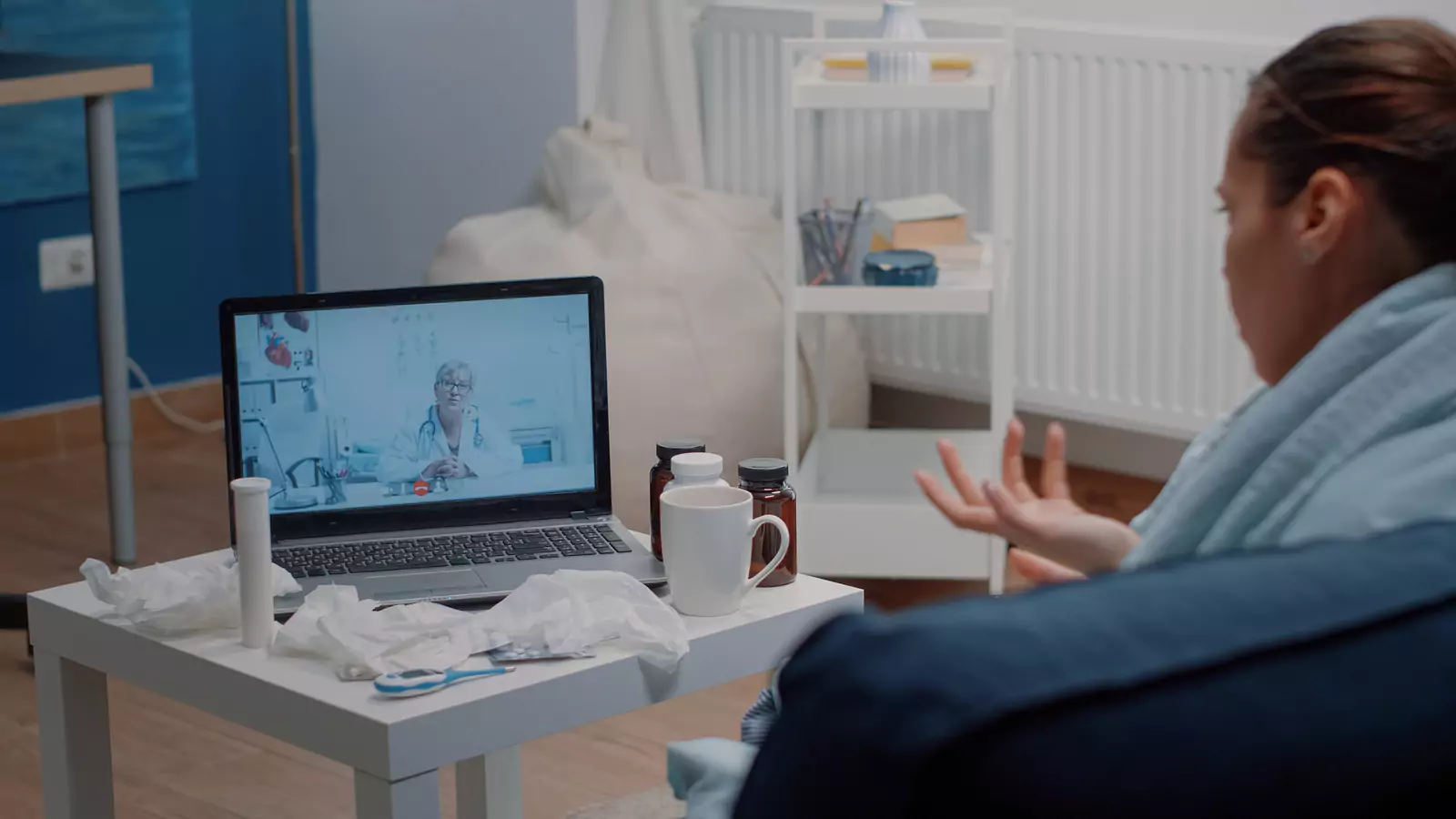
VirtualCare2Go offers convenient telehealth appointments with licensed healthcare providers for patients located throughout Texas. For appropriate non-emergency symptoms, a provider can review when your cramps occur, which muscles are affected, medications, physical activity, fluid intake, medical history, and other symptoms.
From there, your provider can help determine whether supportive care, medication review, laboratory testing, or an in-person examination may be appropriate.
Seek prompt medical evaluation for new significant swelling, redness, warmth, or persistent pain in one leg. Call 911 if leg symptoms occur with chest pain, sudden shortness of breath, fainting, coughing up blood, or other potentially life-threatening symptoms.
What Does a Muscle Cramp Feel Like?
A muscle cramp usually begins suddenly.
You may experience:
- Sharp or intense pain
- A muscle that feels extremely tight
- A visible or palpable knot
- Temporary difficulty moving the affected area
- Muscle twitching
- Soreness after the cramp releases
Cramps may last only a few seconds or continue for several minutes.
Afterward, the muscle may remain tender for a while.
Where Do Muscle Cramps Usually Happen?
Cramps can affect many muscle groups, but they commonly occur in the:
- Calves
- Feet
- Toes
- Thighs
- Hamstrings
Some people experience cramps in the hands, arms, abdomen, or other muscles.
If your cramps repeatedly affect the same area, tell your healthcare provider.
Why Do My Calves Cramp at Night?
Nighttime leg cramps are especially frustrating because they can wake you from a deep sleep.
You may suddenly wake with:
- A painfully tightened calf
- Toes curling
- A cramped foot
- A hard knot in the muscle
Nighttime cramps may be associated with factors such as:
- Muscle fatigue
- Activity during the day
- Prolonged sitting
- Prolonged standing
- Certain medications
- Fluid or electrolyte changes
- Other health conditions
Sometimes there isn't an obvious trigger.
If nighttime cramps repeatedly interfere with sleep, medical evaluation may help identify possible contributors.
Could Exercise Be Causing My Cramps?
Physical activity can contribute to muscle cramping, particularly when muscles are fatigued or asked to work harder than usual.
You may notice cramps:
- During exercise
- Immediately after exercise
- Several hours later
- During the night after strenuous activity
A sudden increase in activity may be especially relevant.
For example, cramps might appear after:
- Running farther than usual
- Starting a new workout
- Playing a long sports game
- Spending hours doing yard work
- Performing strenuous physical labor
Gradually increasing exercise intensity may help reduce excessive muscle fatigue.
Can the Texas Heat Contribute?
Yes.
Hot Texas weather can place additional stress on the body, particularly during outdoor activity.
Sweating causes the body to lose both fluid and electrolytes.
During prolonged activity in the heat, some people may develop muscle cramps along with:
- Heavy sweating
- Thirst
- Fatigue
- Headache
- Dizziness
- Weakness
If heat-related symptoms begin, stop strenuous activity and move to a cooler environment.
Confusion, fainting, seizures, severe neurological changes, or other signs of heat stroke require emergency medical treatment.
Is Dehydration Always the Cause?
No.
This is an important misconception.
When someone develops a muscle cramp, the first advice they often hear is:
“Drink more water.”
Appropriate hydration is important, particularly during exercise, illness, and hot weather.
But dehydration is only one possible contributor to cramping.
Muscle cramps can occur even when someone is adequately hydrated.
If cramps keep returning, look at the entire pattern rather than assuming you simply aren't drinking enough water.
What Are Electrolytes?
Electrolytes are minerals that help support many body functions, including normal nerve and muscle activity.
Important electrolytes include:
- Sodium
- Potassium
- Magnesium
- Calcium
Significant changes in electrolyte levels may sometimes contribute to muscle symptoms.
However, experiencing cramps does not automatically mean you need an electrolyte supplement.
Taking unnecessary or excessive amounts of certain minerals can be harmful, especially for people with kidney, heart, or other medical conditions.
If an electrolyte problem is suspected, your healthcare provider may recommend appropriate testing.
Should I Drink Sports Drinks for Muscle Cramps?
Not necessarily.
Some people may benefit from replacing fluids and electrolytes during prolonged strenuous activity or significant sweating, but individual needs vary.
Sports drinks may also contain substantial amounts of:
- Sugar
- Sodium
- Other ingredients
For routine daily hydration, many people don't need a sports drink simply because they experienced a muscle cramp.
Ask your healthcare provider what is appropriate for your activity level and medical history.
Could My Medication Be Causing Cramps?
Certain medications may contribute to muscle cramps or other muscle symptoms in some people.
If your cramps began after:
- Starting a medication
- Increasing a medication dose
- Adding another medication
tell your healthcare provider.
Provide an updated list of:
- Prescription medications
- Over-the-counter medications
- Vitamins
- Supplements
Do not stop a prescribed medication on your own because you're experiencing cramps.
Your provider can review whether medication effects may be contributing and determine whether any changes are appropriate.
Could Sitting Too Long Cause Cramps?
Long periods of sitting may leave muscles stiff or inactive.
This may happen during:
- Desk work
- Long drives
- Air travel
- Meetings
- Gaming
- Extended periods of limited movement
Taking periodic movement breaks may help some people.
However, new pain in one calf—especially with swelling, redness, or warmth—should not simply be assumed to be a muscle cramp after sitting for a long time.
Those symptoms can require prompt medical evaluation.
Can Standing All Day Contribute?
It may.
People who spend long periods on their feet may experience muscle fatigue, particularly in the legs and calves.
You may notice cramping after:
- Long work shifts
- Walking for hours
- Standing at an event
- Physical labor
Footwear, activity level, and muscle conditioning may also affect how your legs feel by the end of the day.
Recurring or severe symptoms still deserve evaluation.
What About Muscle Overuse?
Sometimes the trigger isn't a formal workout.
Everyday activities can overwork muscles too.
Examples include:
- Moving furniture
- Yard work
- Climbing stairs repeatedly
- Home improvement projects
- Carrying heavy objects
- Walking much farther than usual
If your cramps consistently occur after certain activities, tracking that pattern can be useful.
Could Cramps Be Related to Circulation?
Some conditions affecting circulation may cause leg discomfort during activity.
This may not feel exactly like a classic sudden muscle cramp.
For example, you might notice discomfort that:
- Appears repeatedly while walking
- Improves after resting
- Returns at a similar activity level
Recurring exertional leg pain deserves medical evaluation, particularly if you have risk factors for circulation problems.
Muscle Cramp or Something Else?
Not every painful calf is a muscle cramp.
A typical cramp often:
- Begins suddenly
- Causes a muscle to visibly or noticeably tighten
- Peaks quickly
- Gradually releases
Other conditions may cause persistent leg pain without a classic tightening-and-release pattern.
Pay particular attention to:
- Swelling in one leg
- Redness
- Warmth
- Persistent calf tenderness
- A leg that looks noticeably different from the other
These symptoms should be medically evaluated.
What Should You Do During a Muscle Cramp?
For a typical uncomplicated cramp, general measures may include:
- Stop the activity temporarily.
- Gently stretch the affected muscle.
- Relax the muscle as much as possible.
- Carefully walk if you're able.
- Gently massage the area.
- Rehydrate appropriately after significant activity or sweating.
Avoid aggressively stretching through severe pain.
The muscle may remain mildly sore after the cramp resolves.
Can Stretching Prevent Muscle Cramps?
Regular gentle stretching may help some people, particularly when cramps are associated with muscle tightness or physical activity.
For example, someone with recurring nighttime calf cramps may discuss an appropriate calf-stretching routine with a healthcare professional.
Stretching should feel gentle.
It should not cause severe pain.
If stretching repeatedly triggers significant pain, weakness, numbness, or other unusual symptoms, stop and seek medical guidance.
Keep a Muscle Cramp Diary
Recurring symptoms are often easier to understand when you track them.
For one or two weeks, record:
- Which muscle cramped
- What time it happened
- How long it lasted
- What you were doing beforehand
- Exercise that day
- Outdoor heat exposure
- Fluid intake
- Recent meals
- Medications
- Sleep
- Prolonged sitting
- Prolonged standing
- Other symptoms
You may discover that cramps repeatedly occur after a particular activity or at a certain time of day.
Bring that information to your healthcare appointment.
When Can Telehealth Help?
Telehealth can be a convenient starting point for recurring muscle cramps without emergency warning signs.
Consider scheduling a virtual visit if:
- Cramps keep happening.
- Nighttime cramps repeatedly wake you.
- Cramps interfere with exercise.
- Symptoms are becoming more frequent.
- Cramps started after a medication change.
- You're unsure whether hydration or electrolytes may be involved.
- You experience recurring cramps without an obvious trigger.
- You want to know whether laboratory testing may be appropriate.
During your VirtualCare2Go appointment, your provider may ask about:
- Which muscles are affected
- How frequently cramps occur
- How long they last
- Physical activity
- Heat exposure
- Fluid intake
- Diet
- Medications
- Recent illnesses
- Medical conditions
- Swelling
- Redness
- Weakness
- Numbness
- Other symptoms
Depending on your evaluation, your provider may recommend supportive care, medication review, laboratory testing, an in-person examination, or other follow-up.
When Might Testing Be Needed?
Not everyone with muscle cramps needs laboratory testing.
However, testing may be considered when cramps are:
- Frequent
- Persistent
- Unexplained
- Increasing in severity
- Associated with other symptoms
Depending on your history, a provider may consider tests related to:
- Electrolytes
- Kidney function
- Blood sugar
- Thyroid function
- Other possible contributors
Testing should be individualized rather than automatically performed for every muscle cramp.
When Should You Seek Prompt In-Person Care?
Seek prompt medical evaluation if you experience:
- New significant swelling in one leg
- Redness or warmth in the leg
- Persistent calf pain
- Significant muscle weakness
- Persistent numbness
- Severe unexplained muscle pain
- Cramps with significant illness
- Cramps that are rapidly worsening
- Dark or cola-colored urine after significant exertion or muscle injury
- Symptoms that interfere with walking
These concerns may require an examination or testing that cannot be completed through telehealth alone.
When Is a Muscle Cramp an Emergency?
Call 911 or seek emergency medical attention immediately if muscle or leg symptoms occur with:
- Chest pain
- Sudden shortness of breath
- Severe difficulty breathing
- Fainting or loss of consciousness
- Coughing up blood
- Severe confusion
- Seizure activity
- Signs of heat stroke
- Sudden severe weakness
- Any other life-threatening symptoms
Routine telehealth should never delay emergency care.
Frequently Asked Questions
Why do my legs cramp at night?
Nighttime cramps may be related to muscle fatigue, activity, prolonged positioning, medications, fluid or electrolyte changes, or other factors. Sometimes there is no obvious trigger.
Does a muscle cramp mean I'm dehydrated?
Not necessarily. Dehydration may contribute in some situations, particularly during heat and exercise, but cramps have many possible causes.
Should I take magnesium for muscle cramps?
Don't automatically start magnesium or other supplements because of cramps. Whether supplementation is appropriate depends on your health, medications, and whether a deficiency is actually present.
Can sitting all day cause leg cramps?
Prolonged positioning may contribute to muscle stiffness or discomfort. However, new one-sided calf pain with swelling, redness, or warmth requires medical evaluation.
Why do my feet and toes cramp?
Foot and toe cramps may occur with muscle fatigue, activity, prolonged positioning, and other factors. Recurring symptoms can be discussed with a healthcare provider.
Can medications cause muscle cramps?
Some medications may contribute to muscle symptoms. Don't stop prescribed medication without discussing the issue with your healthcare provider.
Can telehealth help with recurring muscle cramps?
Yes. Telehealth can be a useful first step for recurring non-emergency cramps. Your provider can review possible triggers and determine whether testing or an in-person examination may be appropriate.
When should I worry about calf pain?
New persistent calf pain accompanied by significant one-sided swelling, warmth, redness, or tenderness deserves prompt medical evaluation, especially after prolonged immobility or when other blood-clot risk factors are present.
Convenient Virtual Care Throughout Texas
An occasional cramp after an unusually strenuous day may disappear almost as quickly as it started.
But when cramps repeatedly wake you from sleep, interrupt your workouts, or appear without an obvious explanation, it may be worth looking more closely at what could be contributing.
Instead of automatically assuming you're dehydrated or reaching for supplements, consider the entire pattern.
VirtualCare2Go makes it convenient for patients located throughout Texas to connect with licensed healthcare providers from home or another private location.
Your provider can review your symptoms, medications, activity level, heat exposure, and other factors and help determine whether supportive care, testing, medication review, or an in-person evaluation may be appropriate.
Patients must be physically located in Texas during their appointment.
Schedule Your Virtual Visit
If recurring muscle cramps are interfering with your sleep, exercise, work, or daily activities and you're not experiencing emergency warning signs, consider scheduling a virtual evaluation.
Book your virtual visit today: https://virtualcare2go.com/