
 ES
ES








Why Do I Keep Getting Muscle Cramps?
Virtual Care for Recurring Muscle Cramps
Why Do I Keep Getting Muscle Cramps?
You're sleeping peacefully when suddenly your calf tightens into a painful knot.
Or maybe you're exercising, working outside, sitting at your desk, or simply walking when a muscle unexpectedly contracts and refuses to relax.
Muscle cramps can be surprisingly painful.
They happen when a muscle suddenly tightens involuntarily. Although many cramps resolve within seconds or minutes, the affected muscle may remain sore afterward.
Occasional muscle cramps are common. But if cramps are happening frequently, waking you from sleep, interfering with exercise, or occurring without an obvious reason, you may start wondering what is causing them.
There isn't one universal explanation.
Exercise, heat exposure, fluid and electrolyte changes, medications, prolonged positioning, and certain medical conditions may all contribute.
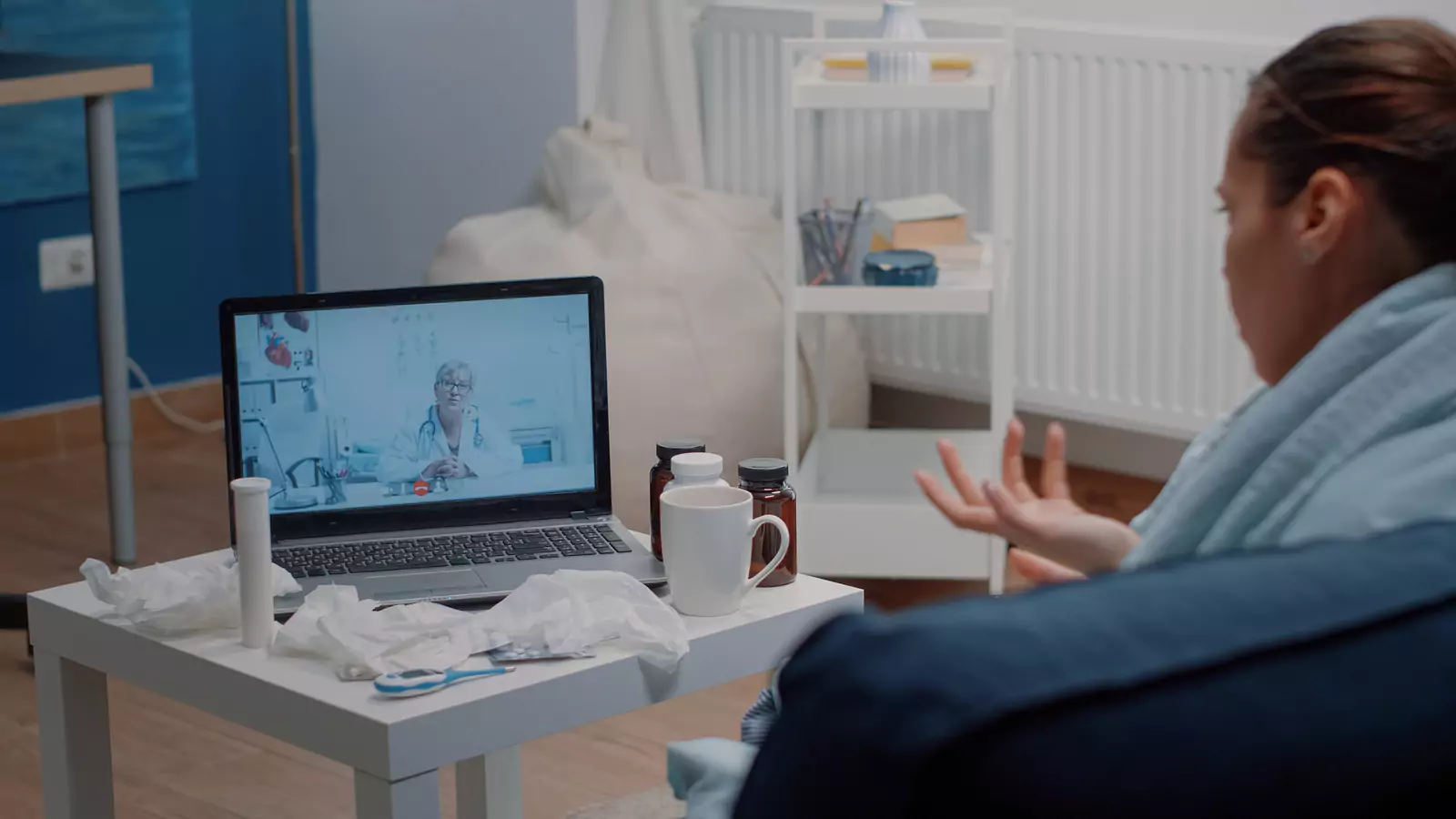
VirtualCare2Go offers convenient telehealth appointments with licensed healthcare providers for patients located throughout Texas. A provider can review the pattern of your cramps, medications, activity level, hydration, medical history, and other symptoms to determine whether supportive care, testing, medication review, or an in-person evaluation may be appropriate.
Seek emergency medical care if leg symptoms occur with chest pain, severe difficulty breathing, fainting, or other life-threatening symptoms. New significant swelling, redness, warmth, or persistent pain in one leg also deserves prompt medical evaluation rather than being assumed to be a simple muscle cramp.
What Does a Muscle Cramp Feel Like?
A muscle cramp typically causes a sudden tightening or contraction that you can't voluntarily control.
You may notice:
- Sudden sharp pain
- A hard or tight muscle
- A visible knot beneath the skin
- Temporary difficulty moving the affected area
- Tenderness afterward
Cramps commonly affect the:
- Calves
- Feet
- Toes
- Thighs
- Hamstrings
They can occur in other muscles as well.
Why Do Cramps Happen at Night?
Nighttime leg cramps can seemingly appear out of nowhere.
You may wake with your calf or foot painfully contracted even though you weren't exercising.
Possible contributors may include:
- Muscle fatigue
- Prolonged sitting
- Prolonged standing
- Changes in activity
- Certain medications
- Fluid or electrolyte changes
- Other medical conditions
Sometimes there isn't an obvious trigger.
If nighttime cramps repeatedly disrupt your sleep, discuss them with a healthcare provider.
Could Exercise Be Causing Your Cramps?
Physical activity can contribute to cramping, particularly when you're doing something more strenuous or prolonged than your body is accustomed to.
Cramps may occur:
- During exercise
- Immediately afterward
- Several hours later
- During the night following strenuous activity
Changes in exercise intensity can matter.
For example, someone who suddenly doubles their running distance or spends an unusually long day doing yard work may experience muscle fatigue and cramping afterward.
Gradually increasing activity may help reduce excessive muscle strain.
What About the Texas Heat?
Heat can place additional stress on the body, especially during outdoor activity.
Sweating causes your body to lose both fluid and electrolytes. During prolonged activity in hot weather, these changes may contribute to cramping in some people.
Outdoor workers, athletes, gardeners, runners, and anyone spending significant time outside during hot Texas weather should pay attention to early heat-related symptoms.
Muscle cramps associated with heat exposure may occur along with:
- Heavy sweating
- Thirst
- Fatigue
- Headache
- Dizziness
- Weakness
If heat-related symptoms are worsening, stop the activity, move somewhere cool, and seek appropriate medical care.
Confusion, loss of consciousness, seizures, or other signs of heat stroke require emergency treatment.
Is Dehydration Always the Cause?
No.
People often hear "drink more water" whenever muscle cramps occur, but dehydration is only one possible contributor.
Cramps can happen even when you're well hydrated.
The pattern of symptoms, activity level, medications, medical conditions, and other factors all matter.
Adequate hydration is important, particularly during heat and exercise, but persistent cramps shouldn't automatically be attributed to dehydration.
What Are Electrolytes?
Electrolytes are minerals that help support important functions in the body, including normal nerve and muscle activity.
Examples include:
- Sodium
- Potassium
- Magnesium
- Calcium
Significant changes in electrolyte levels can sometimes contribute to muscle symptoms.
However, that doesn't mean everyone with muscle cramps needs electrolyte supplements.
Taking excessive amounts of certain electrolytes can be harmful, particularly for people with kidney, heart, or other medical conditions.
If an electrolyte problem is suspected, your healthcare provider may recommend appropriate laboratory testing.
Could My Medication Be Causing Cramps?
Certain medications may contribute to muscle cramping or other muscle symptoms in some people.
If cramps began after:
- Starting a new medication
- Increasing a medication dose
- Adding another medication
tell your healthcare provider.
Bring or provide an updated medication list during your appointment.
Do not stop a prescribed medication on your own.
Your provider can determine whether the medication may be contributing and whether any changes are appropriate.
Could Sitting All Day Contribute?
Long periods of sitting can leave muscles stiff and inactive.
People who spend much of the day:
- Working at a computer
- Driving
- Flying
- Sitting in meetings
may notice muscle tightness or discomfort.
Regular movement breaks and gentle stretching may help some people.
However, new swelling, warmth, redness, or persistent pain in one leg after prolonged immobility requires medical attention because not every painful leg symptom is a muscle cramp.
What Should You Do During a Muscle Cramp?
For an uncomplicated cramp, general measures may include:
- Stop the activity temporarily.
- Gently stretch the affected muscle.
- Relax the muscle as much as possible.
- Walk carefully if you're able.
- Gently massage the area.
- Rehydrate appropriately if you've been exercising or sweating.
Avoid forcefully stretching through severe pain.
The muscle may remain mildly sore after the cramp resolves.
Can Stretching Help Prevent Cramps?
Regular gentle stretching may help some people, especially when cramps are associated with muscle tightness or physical activity.
For example, someone who frequently experiences nighttime calf cramps may discuss an appropriate stretching routine with a healthcare professional.
Stretching should be comfortable rather than painful.
If exercise or stretching consistently triggers significant pain, weakness, or other unusual symptoms, seek medical evaluation.
Keep a Muscle Cramp Diary
Recurring cramps can be difficult to understand unless you look for patterns.
For a week or two, consider tracking:
- Which muscle cramped
- Time of day
- How long the cramp lasted
- What you were doing beforehand
- Exercise that day
- Outdoor heat exposure
- Fluid intake
- Meals
- New medications
- Sleep
- Other symptoms
You may notice that cramps happen consistently after long workouts, extended periods of standing, particularly hot days, or certain changes in your routine.
When Can Telehealth Help?
Telehealth can be a convenient starting point for recurring muscle cramps without emergency warning signs.
Consider scheduling a virtual visit if:
- Muscle cramps happen frequently.
- Nighttime cramps repeatedly wake you.
- Cramps are becoming more common.
- You're unsure what is triggering them.
- Symptoms began after a medication change.
- Cramps regularly occur after exercise.
- You're concerned about hydration or electrolytes.
- Mild muscle soreness persists after recurring cramps.
- You want to know whether testing may be appropriate.
During a VirtualCare2Go appointment, your provider may ask about:
- Which muscles are affected
- How often cramps happen
- How long they last
- Exercise habits
- Work activities
- Heat exposure
- Hydration
- Diet
- Medications
- Recent illnesses
- Medical conditions
- Swelling or redness
- Weakness or numbness
- Other symptoms
Depending on the evaluation, your provider may recommend supportive measures, medication review, laboratory testing, an in-person examination, or other follow-up.
When Might Testing Be Needed?
Not everyone with muscle cramps needs laboratory testing.
However, testing may be considered when symptoms are frequent, unexplained, persistent, or accompanied by other concerns.
Depending on your history, your healthcare provider may recommend tests related to:
- Electrolytes
- Kidney function
- Blood sugar
- Thyroid function
- Other possible contributors
The appropriate tests depend on your individual symptoms and medical history.
Muscle Cramp or Something Else?
This distinction is important.
A typical cramp often appears suddenly, causes a muscle to tighten, and then gradually releases.
Other medical problems can cause leg pain without producing a classic cramp.
Seek prompt evaluation if you develop:
- Significant swelling in one leg
- Redness
- Warmth
- Persistent calf pain
- Significant tenderness
- A leg that appears noticeably different from the other
These symptoms may require an in-person examination and sometimes additional testing.
When Should You Seek Prompt In-Person Care?
Contact a healthcare professional promptly for:
- New significant swelling in one leg
- Redness or warmth of the leg
- Persistent calf pain
- Significant muscle weakness
- Numbness that persists
- Severe or unexplained muscle pain
- Dark or cola-colored urine after significant muscle injury or exertion
- Cramps accompanied by persistent vomiting or severe illness
- Symptoms that continue worsening
These concerns may require a physical examination or testing that cannot be completed through telehealth alone.
When Is It an Emergency?
Call 911 or seek emergency medical attention immediately if muscle or leg symptoms occur with:
- Chest pain
- Severe difficulty breathing
- Fainting
- Coughing up blood
- Severe confusion
- Sudden severe weakness
- Signs of heat stroke
- Any other life-threatening symptoms
Do not wait for a routine virtual appointment when emergency symptoms are present.
Frequently Asked Questions
Why do my calves cramp while I'm sleeping?
Nighttime calf cramps may be related to muscle fatigue, activity patterns, prolonged positioning, medications, fluid or electrolyte changes, or other factors. Recurring cramps deserve evaluation if they're disrupting your sleep.
Does every muscle cramp mean I'm dehydrated?
No. Dehydration can contribute, especially during heat or strenuous activity, but muscle cramps have many possible causes.
Should I drink electrolyte beverages for cramps?
Not everyone needs additional electrolytes. Excessive supplementation can be harmful for some people. Ask your healthcare provider if you're experiencing frequent unexplained cramps.
Can medications cause muscle cramps?
Some medications may contribute to muscle symptoms. Don't stop prescribed medication on your own; discuss new symptoms with your provider.
Are nighttime leg cramps dangerous?
Many nighttime cramps are harmless, but recurring symptoms deserve evaluation. Leg pain accompanied by significant one-sided swelling, redness, or warmth should not be assumed to be a routine cramp.
Can telehealth help with recurring muscle cramps?
Yes. Telehealth can be a convenient starting point for non-emergency recurring cramps. Your provider can review possible triggers and determine whether laboratory testing or an in-person examination is appropriate.
Convenient Virtual Care Throughout Texas
An occasional muscle cramp may disappear almost as quickly as it started.
But when painful cramps repeatedly wake you from sleep, interrupt exercise, or occur without an obvious explanation, it may be worth finding out what could be contributing.
VirtualCare2Go makes it convenient for patients located throughout Texas to connect with licensed healthcare providers from home or another private location.
Your provider can review your symptoms, medications, activity level, heat exposure, and other factors and help determine whether supportive care, testing, or an in-person evaluation is appropriate.
Patients must be physically located in Texas during their appointment.
Schedule Your Virtual Visit
If recurring muscle cramps are interfering with your sleep, exercise, work, or daily routine and you're not experiencing emergency warning signs, consider scheduling a virtual evaluation.
Book your virtual visit today: https://virtualcare2go.com/