
 ES
ES








Why Are My Lips So Dry and Cracked?
When Chapped Lips Need More Attention
Why Are My Lips So Dry and Cracked?
You apply lip balm in the morning, but a few hours later your lips feel dry again.
Maybe they're peeling. Perhaps the corners of your mouth keep cracking, or your lips sting whenever you eat something salty or spicy.
For many people, chapped lips are an occasional nuisance caused by weather or temporary dryness. But when your lips remain cracked, painful, irritated, or inflamed despite your best efforts, there may be more going on than simply needing another layer of lip balm.
The skin of the lips is delicate and constantly exposed to the environment. Weather, sun, repeated lip licking, dehydration, irritating products, allergies, medications, and certain medical conditions can all potentially contribute to persistent symptoms.
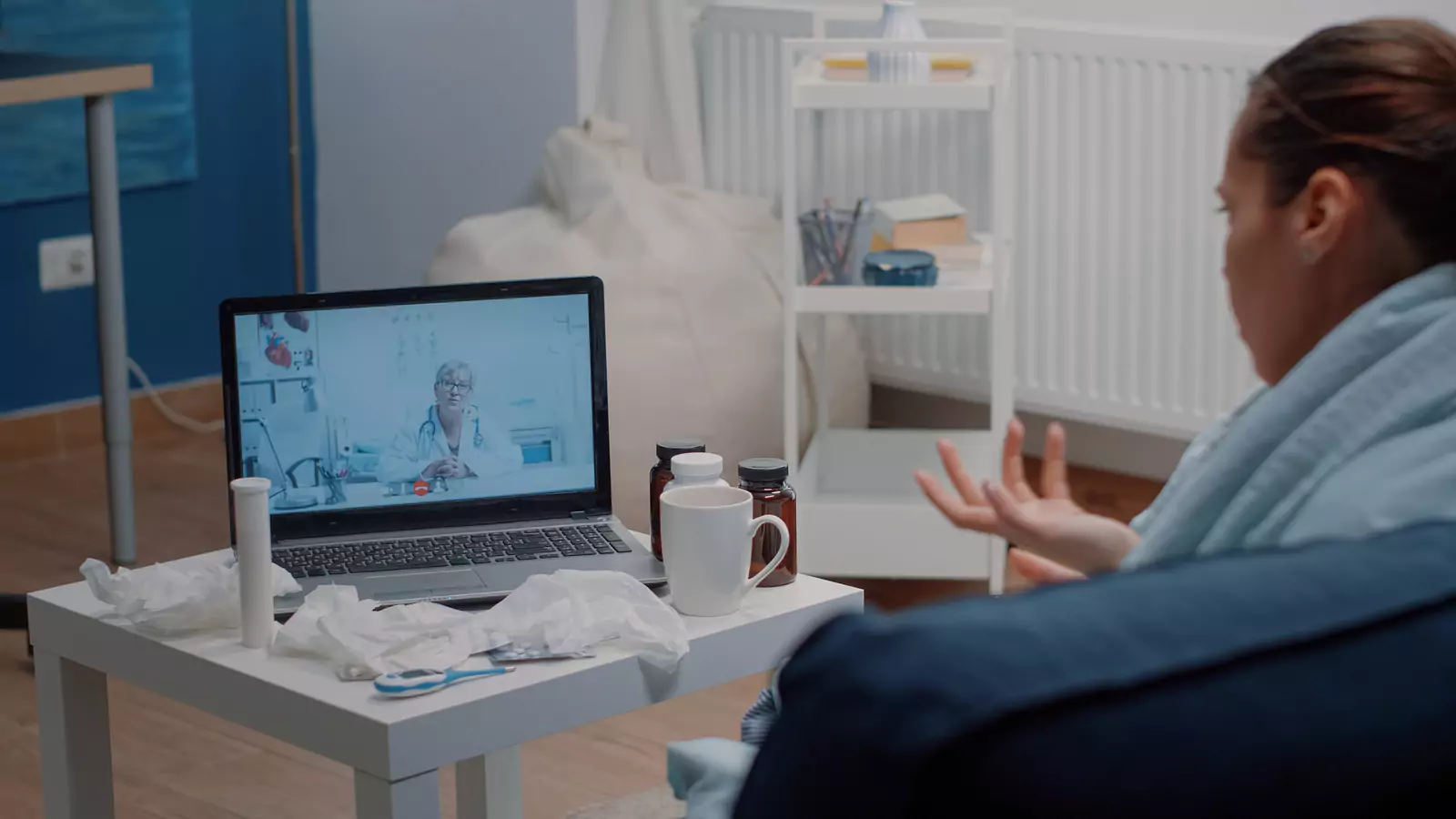
VirtualCare2Go offers convenient telehealth appointments with licensed healthcare providers for patients located throughout Texas. Because lip irritation is often visible, a provider may be able to evaluate many non-emergency concerns through video, review possible triggers, and recommend appropriate next steps.
Call 911 immediately if sudden lip swelling occurs with tongue or throat swelling, difficulty breathing, difficulty swallowing, fainting, widespread hives with severe symptoms, or another sign of a potentially life-threatening allergic reaction.
Why Do Lips Become Chapped So Easily?
Unlike much of your skin, your lips have a relatively thin protective barrier and are continuously exposed to air, food, beverages, sunlight, and environmental conditions.
When moisture is lost faster than it can be replaced, the lips may become:
- Dry
- Tight
- Flaky
- Peeling
- Cracked
- Tender
- Red
- Sensitive
Once cracking begins, everyday activities such as eating, drinking, smiling, and talking can make the irritation more noticeable.
Could the Weather Be Drying Out Your Lips?
Weather is one of the most familiar causes of chapped lips.
Cold temperatures and low humidity can remove moisture from exposed skin, but hot weather can create problems too.
Texas heat, wind, air conditioning, and prolonged outdoor exposure may all contribute to dryness.
If your lips become worse after:
- Spending time outside
- Being in strong wind
- Traveling
- Sitting in air-conditioned environments
- Seasonal weather changes
the environment may be playing a role.
Can the Texas Sun Affect Your Lips?
Yes.
Your lips can be affected by ultraviolet radiation just like other exposed areas of skin.
Repeated sun exposure may lead to dryness, tenderness, peeling, or other changes.
When spending time outdoors, consider using appropriate sun protection for the lips and following product directions.
Persistent rough, scaly, discolored, or non-healing areas on the lips should be medically evaluated rather than repeatedly treated as ordinary chapping.
Are You Licking Your Lips?
When your lips feel dry, licking them may seem like the quickest way to add moisture.
Unfortunately, it can create a cycle:
Your lips feel dry.
You lick them.
The saliva evaporates.
The lips feel even drier.
You lick them again.
Repeated exposure to saliva may irritate the skin around the mouth as well.
If you catch yourself frequently licking or biting your lips, reducing the habit may help break the cycle.
Could Your Lip Balm Be Making Things Worse?
Surprisingly, yes.
Some people repeatedly apply lip products because their lips feel irritated, without realizing that an ingredient in the product itself may be contributing.
Potential irritants can include certain:
- Fragrances
- Flavors
- Dyes
- Cosmetic ingredients
- Essential oils
- Dental products
- Skin-care products
A product that creates a cooling, tingling, or burning sensation isn't necessarily helping irritated lips.
If symptoms started after switching products, tell your healthcare provider.
What About Toothpaste?
Products used inside the mouth can come into contact with the lips and surrounding skin.
In some people, ingredients in toothpaste, mouthwash, or dental products may contribute to irritation.
If your lips repeatedly become irritated around the same time you introduce a new oral-care product, that pattern may be worth discussing during your evaluation.
Could It Be an Allergic Reaction?
Contact with an allergen may cause lip irritation or swelling.
Potential triggers can include:
- Cosmetics
- Lip products
- Foods
- Medications
- Dental products
- Skin-care products
A mild localized reaction may look different from a severe systemic allergic reaction.
Sudden significant swelling of the lips—especially with tongue or throat swelling, difficulty breathing, difficulty swallowing, fainting, or widespread severe symptoms—requires emergency medical care.
Do not wait for a telehealth appointment if you may be experiencing anaphylaxis.
Why Are the Corners of My Mouth Cracking?
Cracks that repeatedly develop at one or both corners of the mouth may be different from ordinary chapped lips.
This type of inflammation is sometimes called angular cheilitis.
The corners may appear:
- Cracked
- Red
- Sore
- Moist
- Crusted
- Tender
Saliva collecting around the corners of the mouth can contribute, and other factors may also be involved.
Because different causes may require different treatments, persistent cracking at the corners of the mouth deserves evaluation rather than repeatedly applying random products.
Could Dehydration Be Causing Dry Lips?
Dehydration can contribute to dryness, particularly when fluid losses increase because of heat, exercise, illness, vomiting, or diarrhea.
Other possible dehydration symptoms include:
- Thirst
- Dry mouth
- Darker urine
- Headache
- Dizziness
- Fatigue
However, chronically chapped lips don't automatically mean you're dehydrated.
If your lips remain persistently irritated despite adequate fluid intake, another factor may be contributing.
Can Medications Cause Dry Lips?
Some medications may contribute to dryness of the lips, mouth, or skin.
If your symptoms began after starting a new medication or changing a dose, mention that during your appointment.
Provide your healthcare provider with a complete list of:
- Prescription medications
- Over-the-counter medications
- Vitamins
- Supplements
- Topical skin treatments
Do not stop a prescribed medication on your own because of dry lips.
Your provider can determine whether medication review is appropriate.
What Can You Do for Mild Chapped Lips?
For uncomplicated dryness, general strategies may include:
- Avoiding repeated lip licking
- Using a simple moisturizing lip product
- Avoiding products that sting or burn
- Protecting your lips from excessive sun and wind
- Staying appropriately hydrated
- Avoiding picking or peeling loose skin
- Using a humidifier when indoor air is excessively dry
- Temporarily stopping a suspected irritating cosmetic or lip product
Choose products carefully if your skin is sensitive.
A healthcare professional can help if you're unsure which ingredients to avoid.
Don't Peel the Dry Skin
When a piece of dry skin is hanging from your lip, pulling it off can be tempting.
Doing so may:
- Create a deeper crack
- Cause bleeding
- Increase pain
- Delay healing
- Increase the chance of infection
Allow damaged skin time to heal instead of repeatedly picking at it.
When Could Cracked Lips Become Infected?
Cracked skin can create an opening that allows microorganisms to enter.
Possible warning signs include:
- Increasing pain
- Worsening redness
- Warmth
- Pus or drainage
- Significant crusting
- Swelling
- Fever
If your lips appear to be getting worse rather than healing, medical evaluation may be appropriate.
Take a Picture When Symptoms Flare
Lip irritation may improve before your appointment or change from day to day.
Clear photographs can help document:
- Swelling
- Redness
- Cracks
- Peeling
- Sores
- Changes at the corners of the mouth
Take pictures in good lighting and avoid filters.
Photos may be especially useful during a telehealth evaluation.
Keep Track of Possible Triggers
If symptoms repeatedly return, consider keeping a brief record of:
- Lip products
- Cosmetics
- Toothpaste
- Mouthwash
- New foods
- Medications
- Outdoor exposure
- Sun exposure
- Weather changes
- Lip licking
- When symptoms begin and improve
Recurring patterns may help your provider identify possible triggers.
When Can Telehealth Help?
Telehealth can be a convenient starting point for many non-emergency lip and skin concerns.
Consider scheduling a virtual visit if:
- Your lips remain cracked despite basic care.
- Symptoms keep returning.
- The corners of your mouth repeatedly split.
- Your lips are painful or unusually irritated.
- A new product may have triggered symptoms.
- You have mild localized swelling without breathing or swallowing problems.
- You're concerned about a sore or irritated area.
- You're unsure what products are appropriate.
During your VirtualCare2Go appointment, your provider may ask about:
- How long symptoms have been present
- Where the cracking occurs
- Swelling
- Sores or blisters
- New products
- Allergies
- Medications
- Sun exposure
- Lip licking
- Dental products
- Other skin symptoms
- Fever or signs of infection
Your provider may ask you to move closer to the camera or use brighter lighting so the lips can be seen clearly.
Depending on the evaluation, supportive care, medication when medically appropriate, discontinuing a suspected irritant, or an in-person examination may be recommended.
When Might You Need an In-Person Examination?
Some persistent lip conditions need closer examination or testing.
An in-person evaluation may be recommended for:
- A sore that doesn't heal
- Persistent rough or scaly areas
- Significant discoloration
- Recurrent blistering
- Frequent bleeding
- Significant pain
- Repeated infections
- A lump or persistent thickened area
- Symptoms that continue despite treatment
Don't repeatedly assume that a persistent lip change is ordinary chapping if it isn't healing as expected.
When Is Lip Swelling an Emergency?
This distinction is especially important.
Mild chapping and localized irritation are very different from rapidly developing facial or airway swelling.
Call 911 immediately if lip swelling occurs with:
- Tongue swelling
- Throat swelling
- Difficulty breathing
- Wheezing
- Difficulty swallowing
- Fainting
- Severe dizziness
- Widespread hives with other serious symptoms
- Blue or gray lips or skin
- Any other life-threatening allergic-reaction symptoms
A severe allergic reaction can progress rapidly.
Do not drive yourself or wait for a routine virtual appointment when breathing or swallowing is affected.
Frequently Asked Questions
Why are my lips still chapped even though I use lip balm?
Weather, lip licking, sun exposure, irritating ingredients, medications, allergies, and other conditions may contribute. In some cases, the lip product itself may be irritating the skin.
Can licking my lips make them drier?
Yes. Saliva evaporates quickly and repeated lip licking can worsen dryness and irritation.
Why do the corners of my mouth keep cracking?
Repeated cracking at the corners may be related to angular cheilitis or other causes. Persistent or recurring symptoms should be evaluated.
Can dehydration cause chapped lips?
Dehydration may contribute to dryness, but persistent chapped lips don't automatically mean you're dehydrated.
Can I be allergic to lip balm?
It's possible to react to ingredients in lip products, cosmetics, dental products, or other substances that contact the lips.
Can telehealth evaluate cracked lips?
Yes. Because lip symptoms are often visible, many non-emergency concerns can begin with a telehealth evaluation. Some persistent sores or other changes still require an in-person examination.
When should I worry about a swollen lip?
Sudden lip swelling accompanied by tongue or throat swelling, breathing difficulty, swallowing difficulty, fainting, or other severe allergic-reaction symptoms requires emergency medical care.
Convenient Virtual Care Throughout Texas
Dry lips may seem like a minor problem until cracking, burning, peeling, or irritation becomes something you deal with every day.
When another layer of lip balm isn't solving the problem, it may be worth looking at what else could be contributing.
VirtualCare2Go makes it convenient for patients located throughout Texas to connect with licensed healthcare providers from home or another private location.
For appropriate non-emergency concerns, your provider can visually evaluate your lips, discuss possible triggers, and help determine whether supportive care, treatment, or an in-person examination is appropriate.
Patients must be physically located in Texas during their appointment.
Schedule Your Virtual Visit
If dry, cracked, or irritated lips keep returning despite basic care and you're not experiencing emergency allergic-reaction symptoms, consider scheduling a virtual evaluation.
Book your virtual visit today: https://virtualcare2go.com/